




CLOTHING
Clothing that combines protection and practicality.



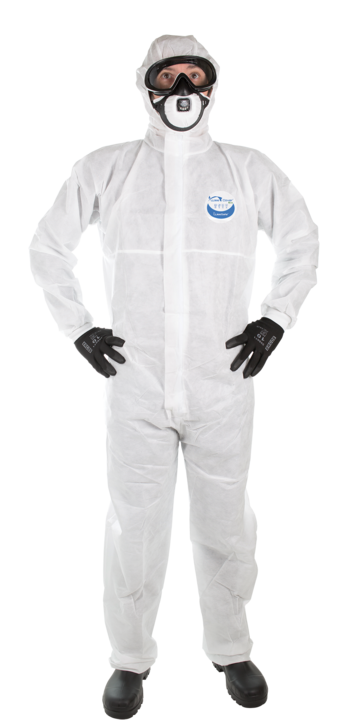
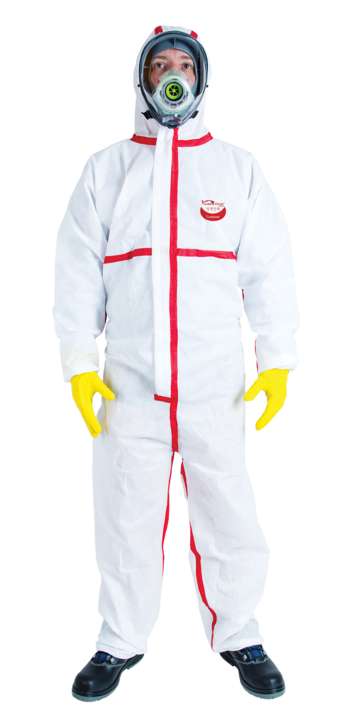
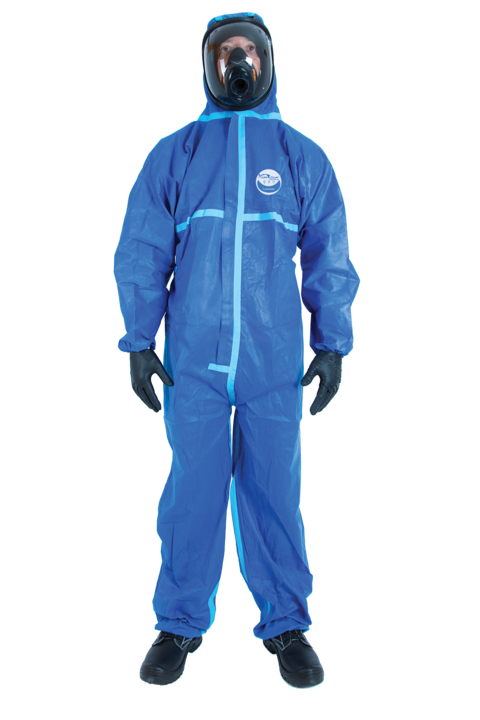
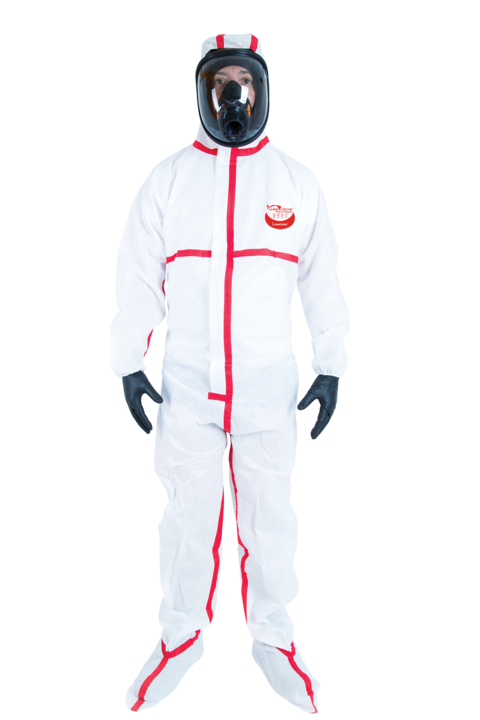

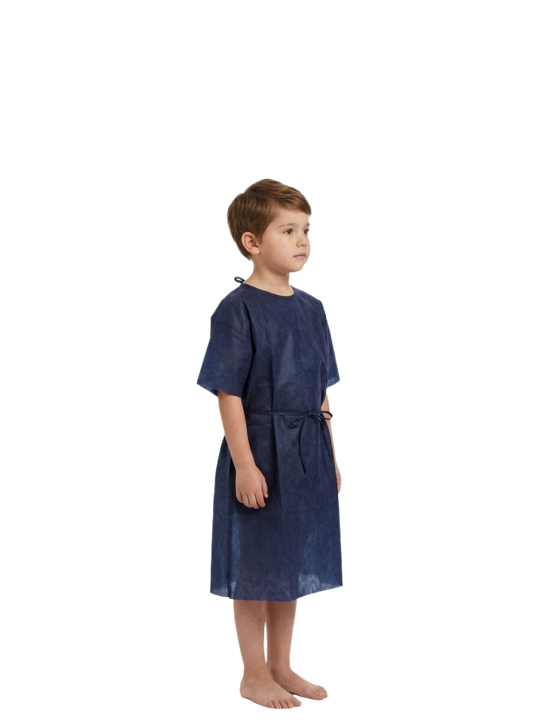
OUR CLOTHING
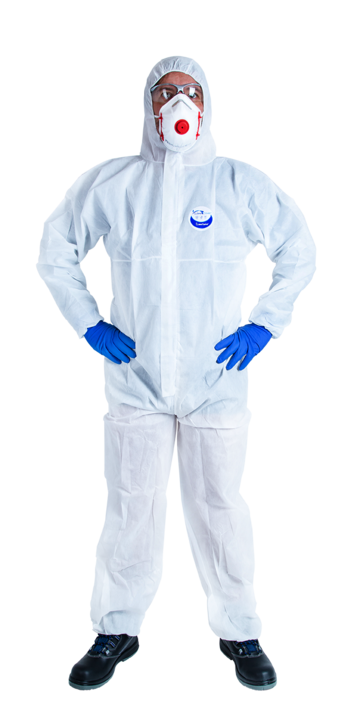
Whether on a construction site, in a cleanroom, or in an operating room, protective clothing serves as a primary barrier against particles, splashes, and contaminants. Medicom designs and manufactures a comprehensive line of professional protective clothing, engineered to meet the requirements of the medical, industrial, food processing, and life sciences sectors.
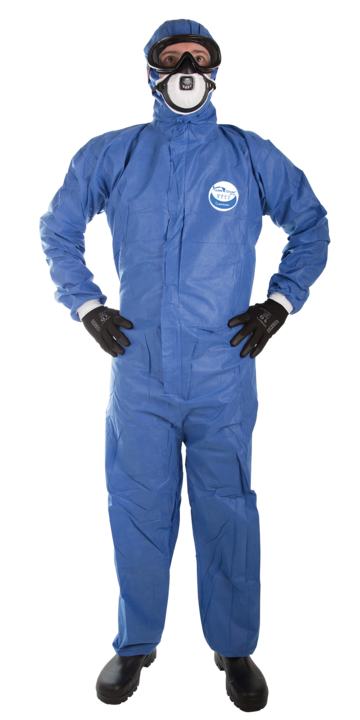
Our product line covers all the sector’s needs: isolation gowns, hygiene gowns, coveralls, sleeves, pants, briefs, and aprons, categorized into two main risk categories. On the one hand, mechanical and particulate protection, designed to limit contact with dust, fibers, and microorganisms. On the other hand, chemical and biological protection, designed for environments where the risk of splashes or contamination requires a higher level of protection. Each product in the line is selected based on the material best suited for its intended use: polyethylene, polypropylene, CPE, or microporous SMS film, to provide a level of protection consistent with the specific job. Our WeeCover®, SafeWear®, and Ritmed® brands each cater to a specific use, ranging from medical settings to the most demanding industrial environments.
What type of protective clothing is best for which purpose?
The choice between coveralls and a lab coat depends directly on the nature of the risk your teams are exposed to. Here is how our product lines are categorized by professional use:
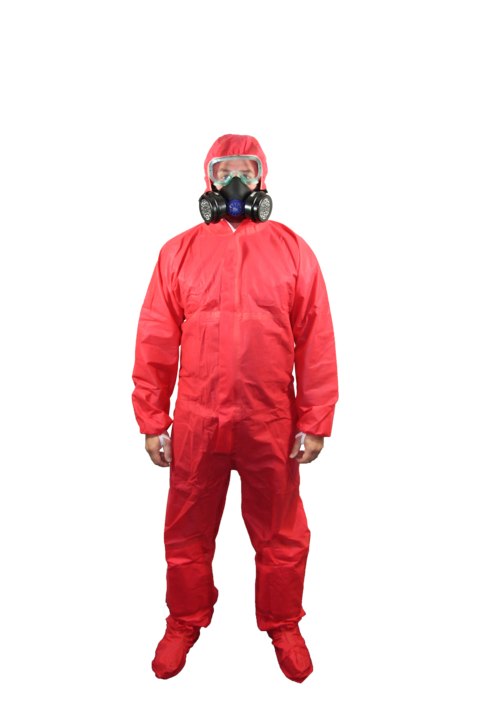
Type 5/6 Coveralls
Designed to protect against dust and fine particles, they are intended for use in industrial and construction settings, as well as for light asbestos removal operations, where maintaining a particle barrier is sufficient to ensure safety during the work.
Type 3/4 Coveralls
Designed for use in environments exposed to liquid splashes and chemical hazards, these coveralls provide enhanced protection against leaks, which is essential whenever contact with hazardous substances is possible.
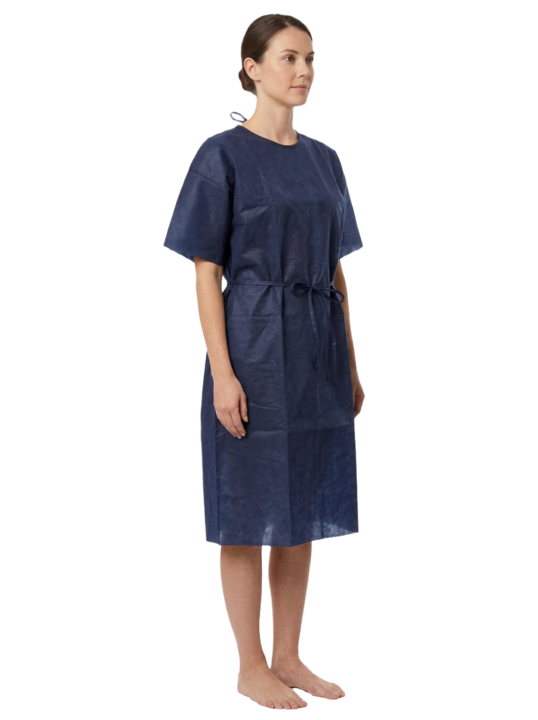
Isolation and Hygiene Gowns
Designed for the medical, healthcare, and laboratory sectors, they provide a reliable barrier against bodily fluids while ensuring comfort suitable for extended wear. Our Ritmed® isolation gown is specifically designed to meet the needs of medical staff in healthcare settings.
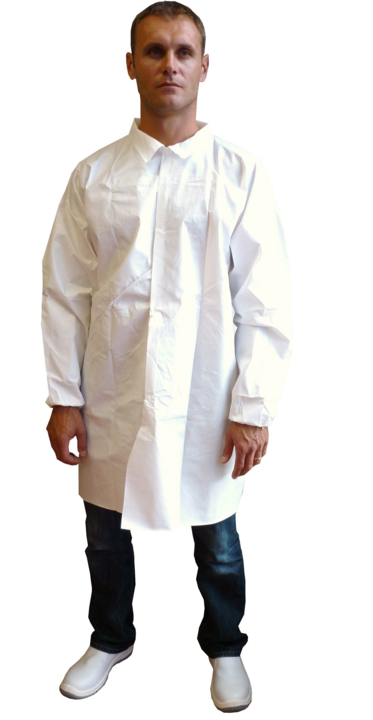
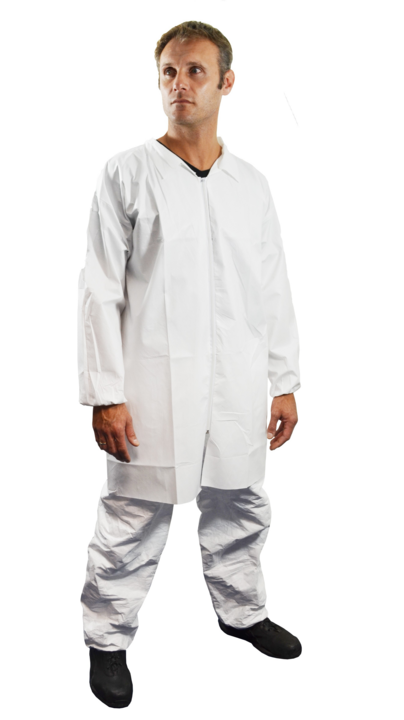
Cleanroom Suits
Designed for controlled environments in the pharmaceutical and cosmetics industries, they minimize particle shedding to preserve the integrity of production processes.
Food-contact clothing
Formulated to meet the requirements of the food industry, they provide protection that complies with the hygiene standards specific to this sector.
Understanding PPE Categories and Standards
Protective clothing is classified according to its level of risk exposure, in accordance with the European PPE Regulation:
Category I covers minor risks, such as superficial damage or light soiling.
Category III applies to serious or irreversible risks, such as exposure to hazardous chemical or biological agents, and imposes stricter certification requirements.
In addition to this classification, there is a typology based on EN standards, which specifies the nature of the protection provided:
Types 5 and 6 provide protection against solid particles and limited liquid splashes.
Types 3 and 4 indicate enhanced protection against liquid jets and sprays.
This two-part approach—category and type—allows for the precise selection of the appropriate garment for each risk level.
Standard and Premium Lines: How to Choose?
Beyond type and category, our protective clothing is available in several quality tiers. A standard coverall meets occasional needs or is suitable for short assignments, offering a good balance of protection and comfort. A high-end coverall, such as the WeeCover® Max line, features reinforced construction (overlocked seams, fitted hood, knit cuffs) for more demanding or prolonged use. The choice between these two levels depends primarily on the frequency of use and the level of physical strain associated with the job.
Order Your Protective Clothing
Our professional protective clothing is available for purchase directly online through our website via our distribution partners. You can view the details of each product, compare models based on your needs, and place an order. For more specific needs or bulk orders, our teams are available to provide a customized quote and advise you on the best choice for your business.
Why choose Medicom protective clothing?
When you choose Medicom, you can be sure that your teams will have clothing that meets personal protective equipment requirements, with a clear classification based on the level of risk covered. For the most sensitive applications, some of our coveralls are available gamma-irradiated, providing an additional layer of assurance for environments where contamination is not an option.
Because every industry has its own specific requirements, our teams will help you choose the right clothing for your line of work—from requesting samples to receiving a customized quote, including technical advice on the standards applicable to your medical, industrial, or food processing sector.