


Personal protective equipment (PPE) for construction sites
What personal protective equipment should be
chosen for the construction industry?
The construction and civil engineering industry is a high-risk environment where accidents are common. The hazards on construction sites require appropriate safeguards to ensure workers’ safety, making the use of personal protective equipment (PPE) essential. In some cases, regulations make the use of PPE compulsory.

The main risks on construction sites
- Falls from a height: work on scaffolding and roofs, falling objects.
- Mechanical risks: use of power tools and heavy machinery; crushing and cuts.
- Chemical risks: exposure to hazardous substances such as asbestos and solvents; inhalation of harmful dust.
- Electrical hazards: contact with live installations, use of faulty equipment.
- Working environment: excessive noise, vibrations from tools.
Legal obligations
Under Article L 4121-1 of the Labour Code, employers are obliged to take the necessary measures to ensure the health and safety of workers:
- Falls from a height: work on scaffolding and roofs, falling objects.
- Mechanical risks: use of power tools and heavy machinery; crushing and cuts.
- Chemical risks: exposure to hazardous substances such as asbestos and solvents; inhalation of harmful dust.
- Electrical hazards: contact with live installations, use of faulty equipment.
- Working environment: excessive noise, vibrations from tools.
Which PPE should you choose?
To prevent risks in the construction and civil engineering sector, it is crucial to use appropriate PPE.
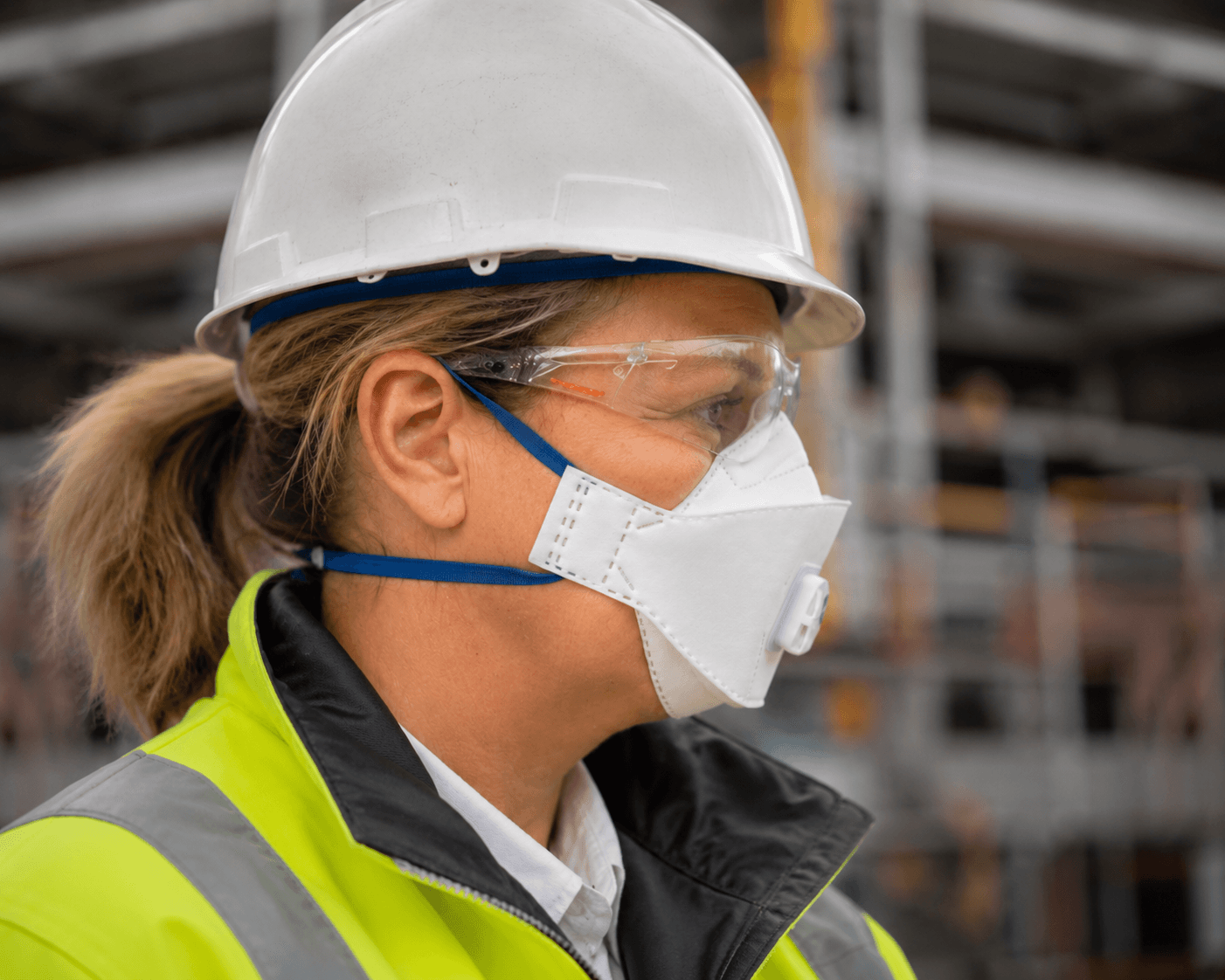
This usually includes a safety helmet to protect against impacts and falling objects, a respiratory protection mask to protect against dust, gloves resistant to abrasion and chemicals, safety goggles to protect against flying particles, and durable, comfortable protective coveralls to provide protection against a range of environmental conditions.
Jumpsuits
Protective coveralls are essential for construction workers, particularly those exposed to chemicals, hazardous particles or harsh environmental conditions. They provide an effective barrier against direct contact with harmful substances, thereby reducing the risk of skin irritation and occupational illnesses. The construction trades that particularly require the wearing of protective coveralls include asbestos removers, industrial painters, insulation workers and those handling construction chemicals.
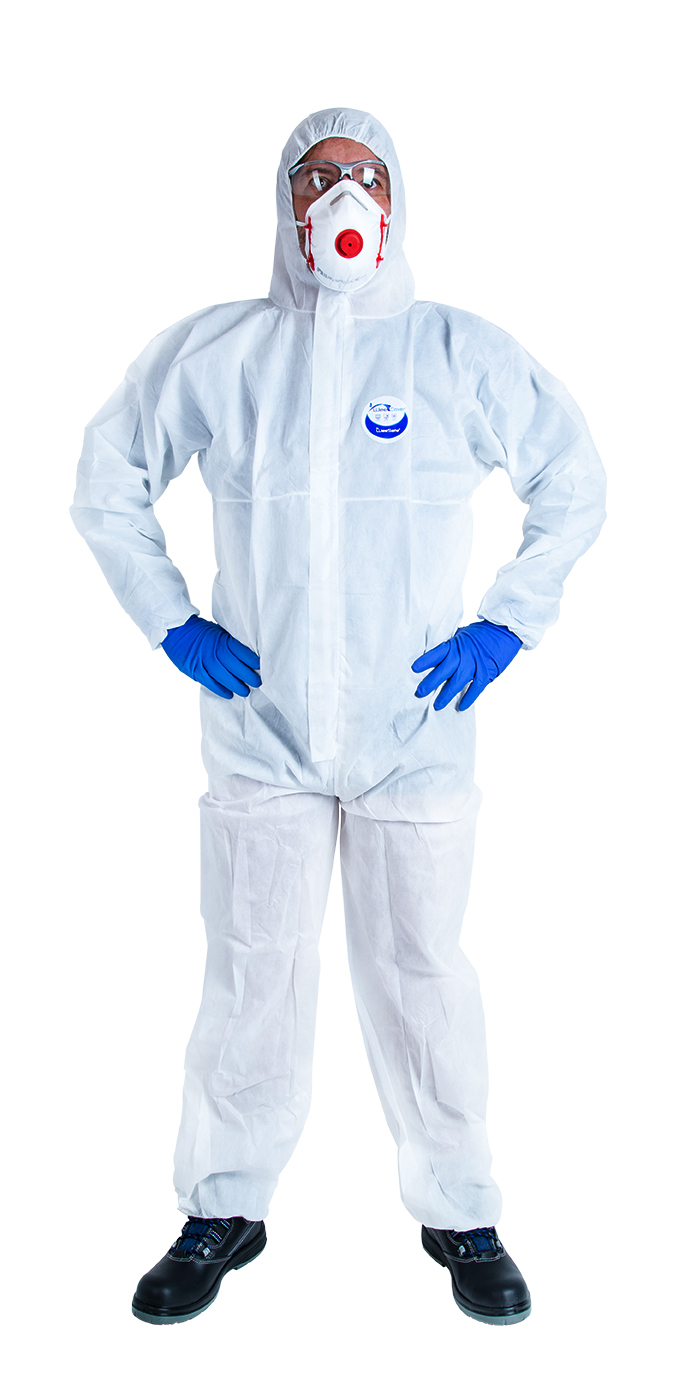
WeeCover
Protection against all types of hazardous fine dust (except asbestos). Its loose fit and jersey cuffs ensure maximum comfort. Can also be worn as a smudge-proof garment to prevent soiling of standard workwear.
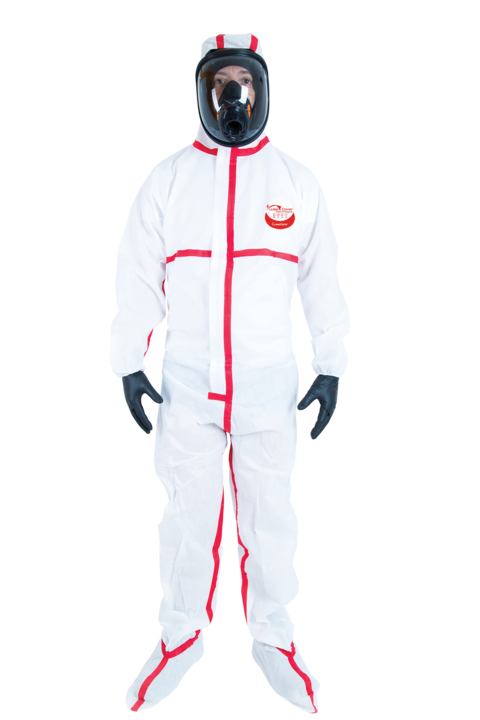
WeeCover Max1 Full-Cover
Made from ultra-breathable SMS fabric, it features a wide, three-piece hood to allow for great freedom of movement whilst working. Furthermore, it complies with the standard for protection against radioactive particles, offering reliable and comprehensive protection.
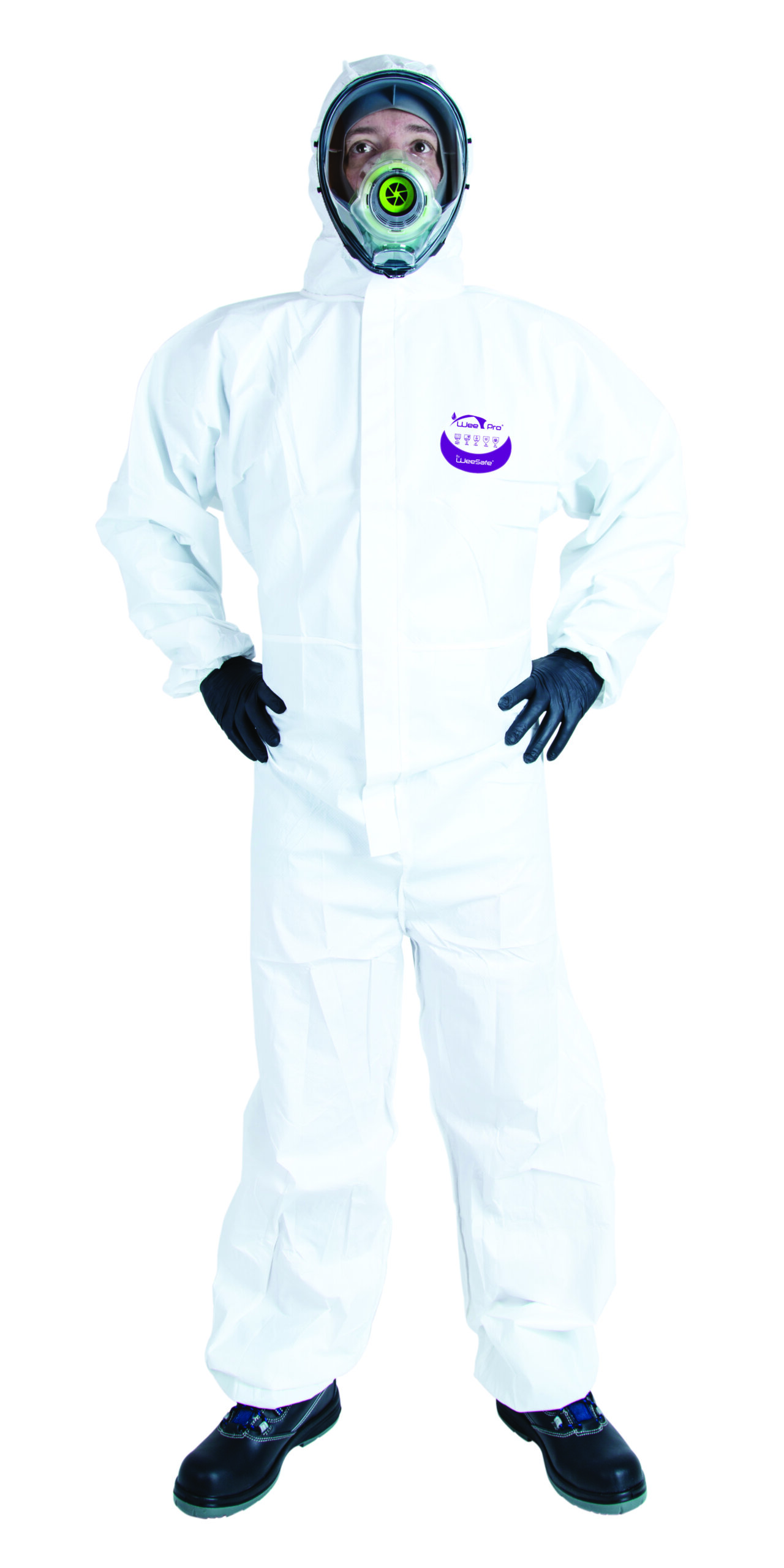
WeePro
Protection against low-intensity liquid splashes. Its waterproof outer layer protects against low-concentration chemicals. It offers ideal protection against chemicals such as paints, solvents, degreasers and strippers.
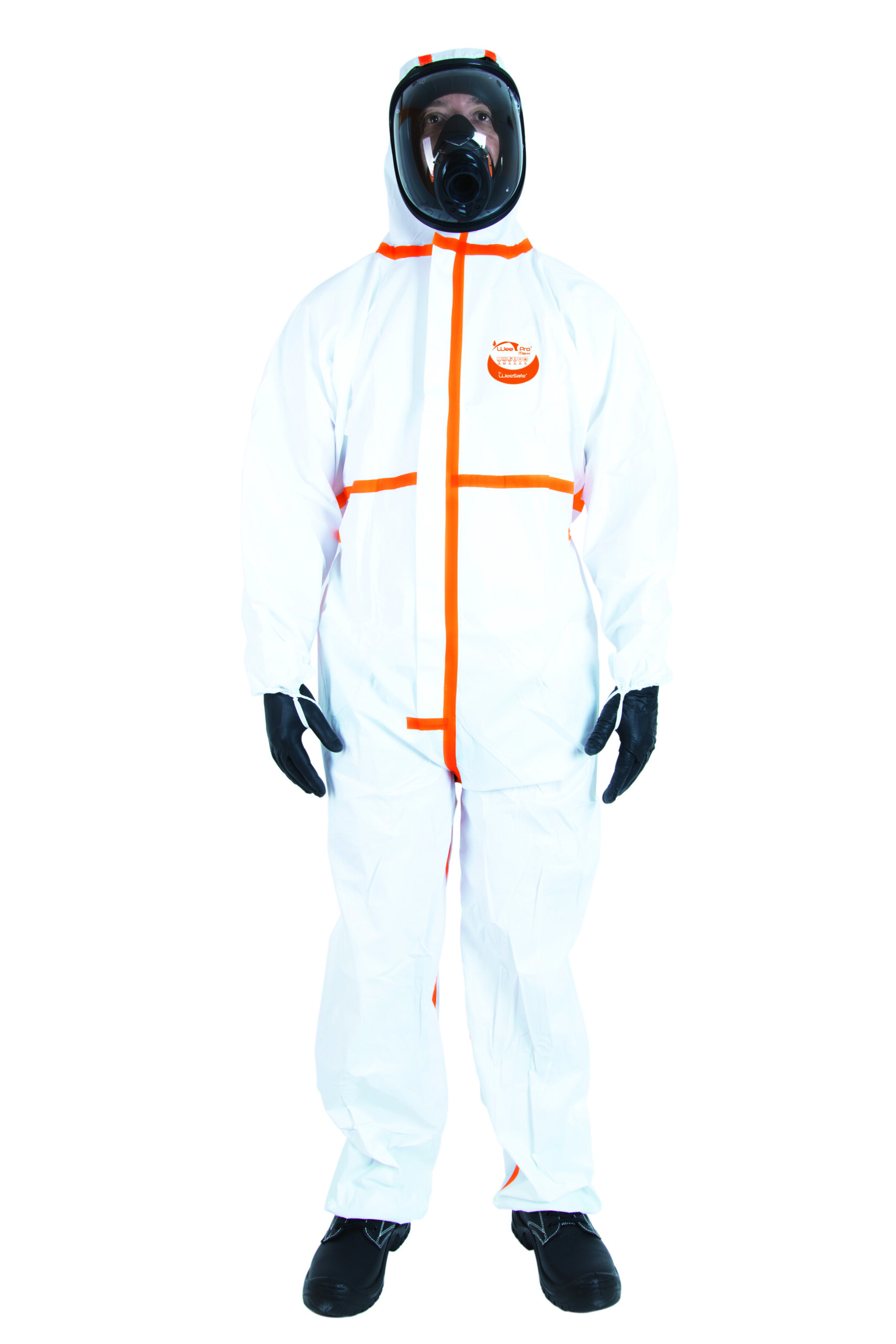
WeePro Max+
Protection against spray or aerosol splashes, ideal for impregnating products and pest control treatments. Can also be worn to protect against biological hazards where there is no risk of significant liquid splashes.
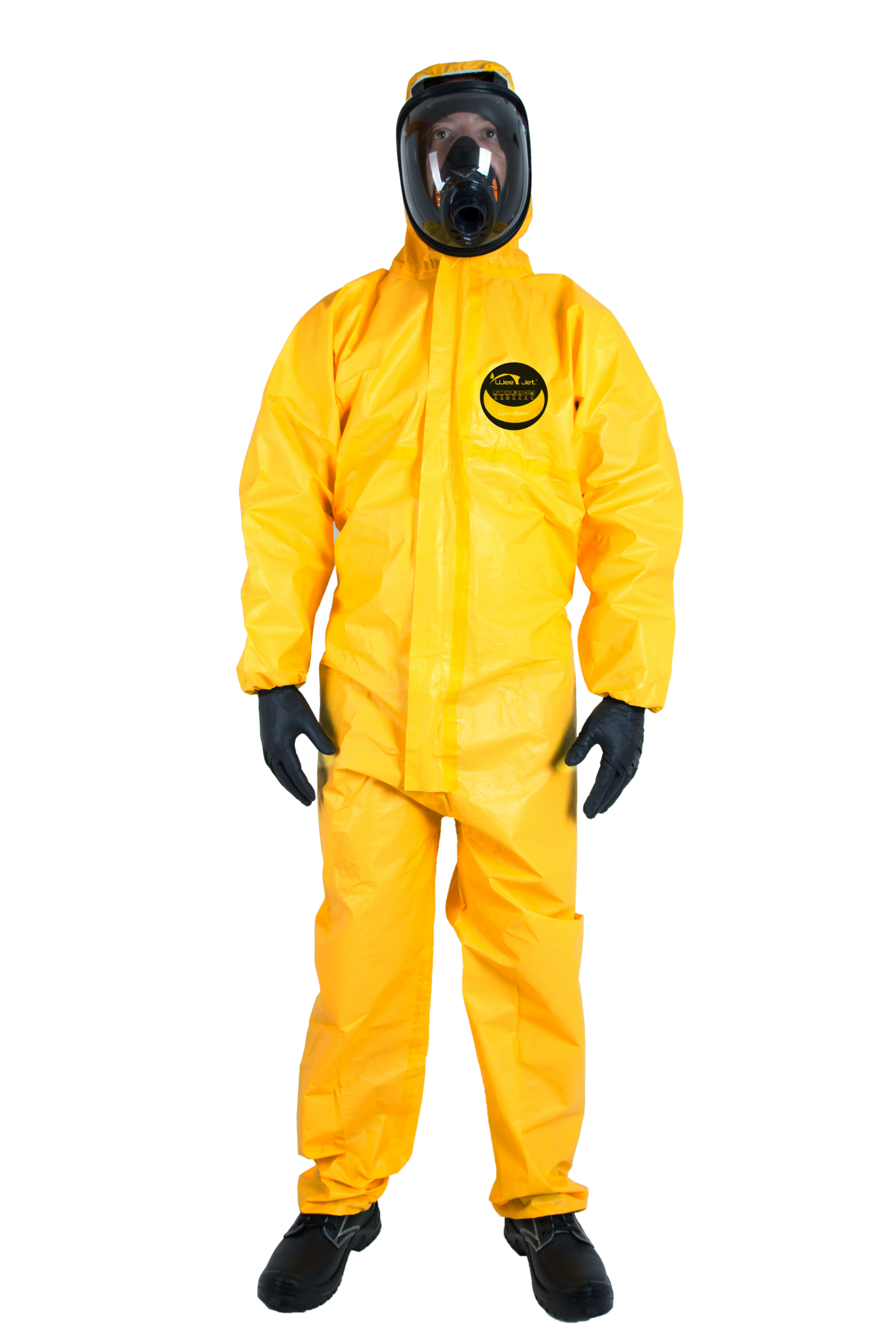
WeeJet
Protection against heavy liquid splashes. Its waterproof outer layer protects against certain highly concentrated chemicals. It fits perfectly over a face mask and gloves thanks to its three-piece hood and elasticated thumb loops.
Respiratory protective masks
Respiratory protection masks are essential for filtering out dust and fine particles to protect the respiratory tract. They are particularly important during demolition work, sanding or when handling materials that may release harmful fibres or dust, thereby ensuring better air quality and safeguarding workers’ health.
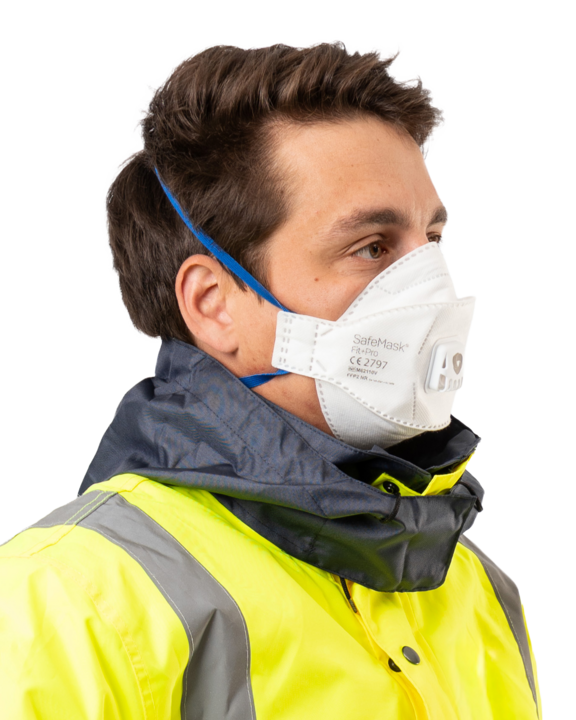
SafeMask® Fit+Pro FFP2 NR mask with valve
The FFP2 valve mask (EN 149) is recommended on construction sites in environments with moderate levels of dust and particles, such as when sanding, cutting or handling materials.
It offers a good level of filtration whilst ensuring improved breathing comfort thanks to the valve, making it particularly suitable for prolonged wear and physical exertion.
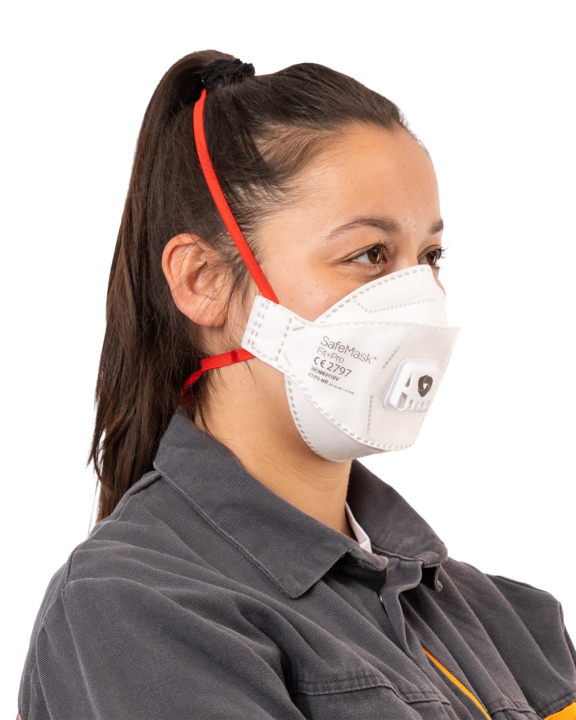
SafeMask® Fit+Pro FFP3 NR mask with valve
The FFP3 valve mask (EN 149) is intended for use in situations involving higher risks, particularly where very fine particles or hazardous substances (such as asbestos or toxic dust) are present.
It provides superior filtration and enhanced protection for operators, whilst maintaining a high level of comfort thanks to the valve, which is essential during intensive use in demanding conditions.
Construction site helmets
A hard hat is an essential piece of personal protective equipment on construction sites. It protects workers’ heads from falling objects, collisions with structures and falls from a height. This category is therefore part of the mandatory PPE required in mining operations and in many other situations.
In the event of an accident, a helmet can make the difference between a minor injury and a serious, or even fatal, injury. It is therefore crucial that construction helmets are worn at all times to ensure the safety and protection of everyone on site.
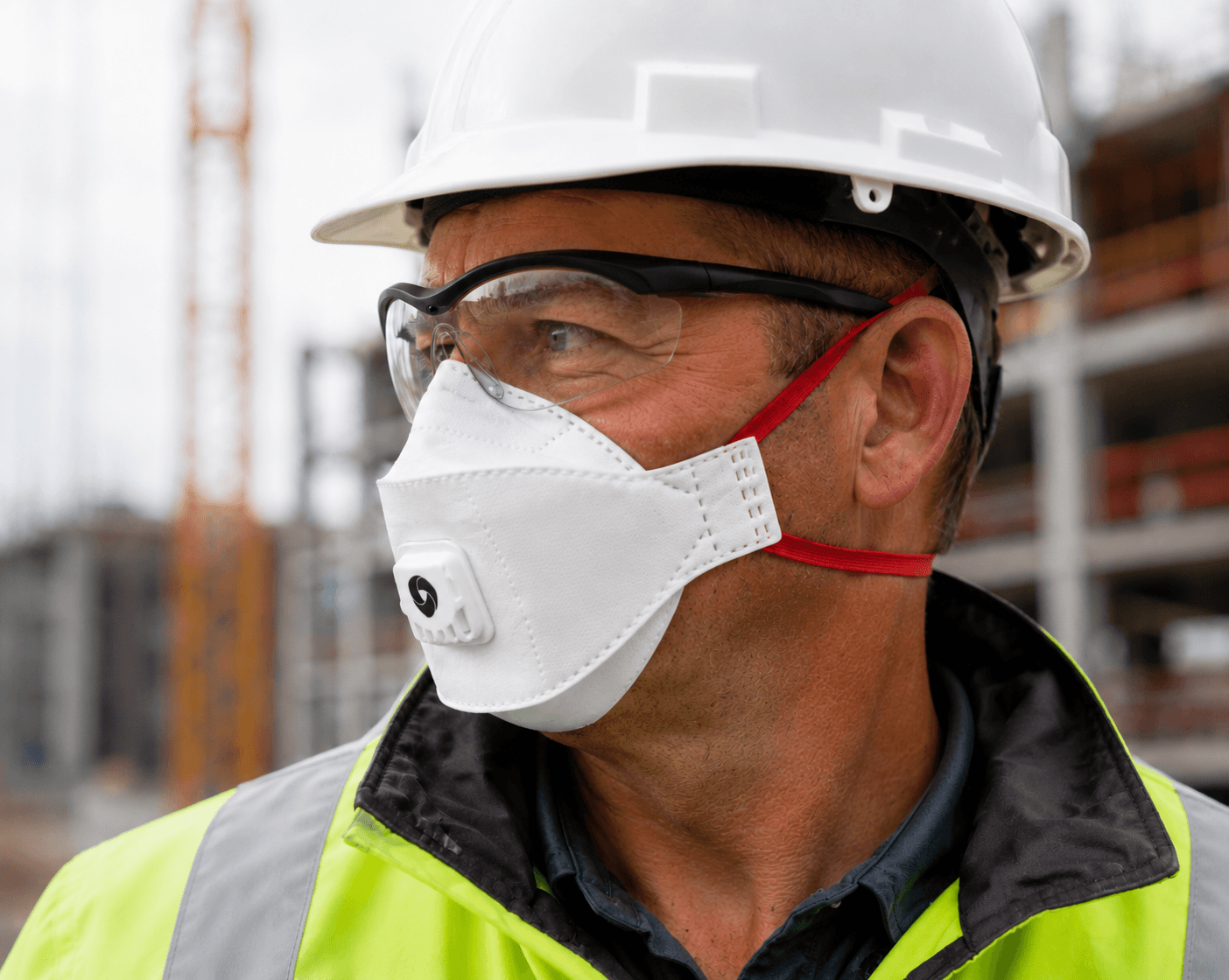
Safety goggles
Wearing safety glasses on a building site is crucial for preventing eye injuries caused by flying debris, dust and splashes of chemicals. The eyes are particularly vulnerable to accidents, and adequate protection helps prevent permanent damage. Safety glasses not only ensure eye safety but also improve visibility in the workplace by preventing irritating particles from entering the eyes.
Gloves
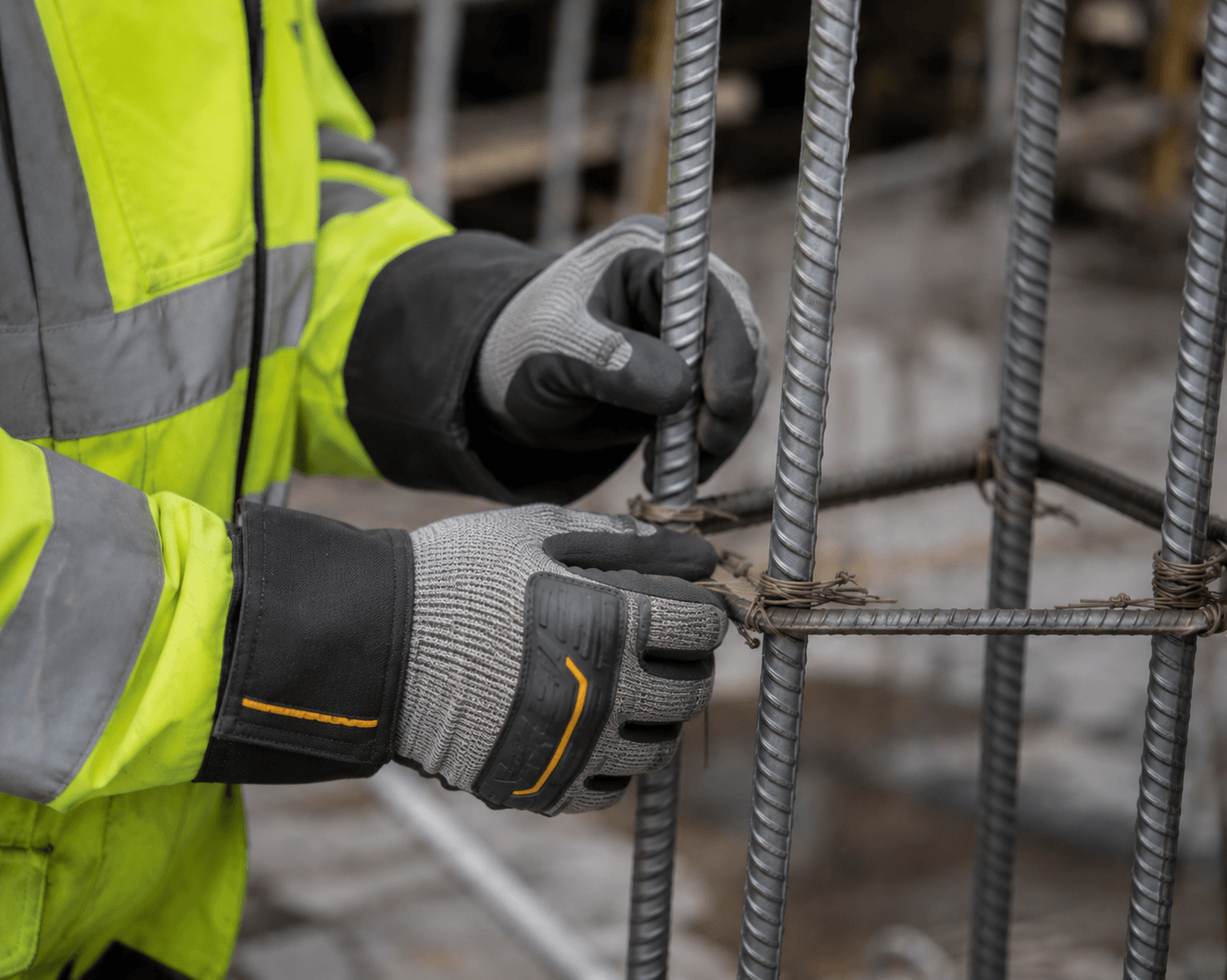
Protective gloves play a vital role on a construction site by protecting workers’ hands from various hazards such as cuts, impacts, burns and slips.
When handling sharp tools, heavy materials or chemicals, workers are constantly exposed to hazards. Wearing suitable gloves significantly reduces accidents and injuries, whilst providing a better grip and greater comfort. They are essential for ensuring the safety and efficiency of operations on a construction site.
Safety footwear
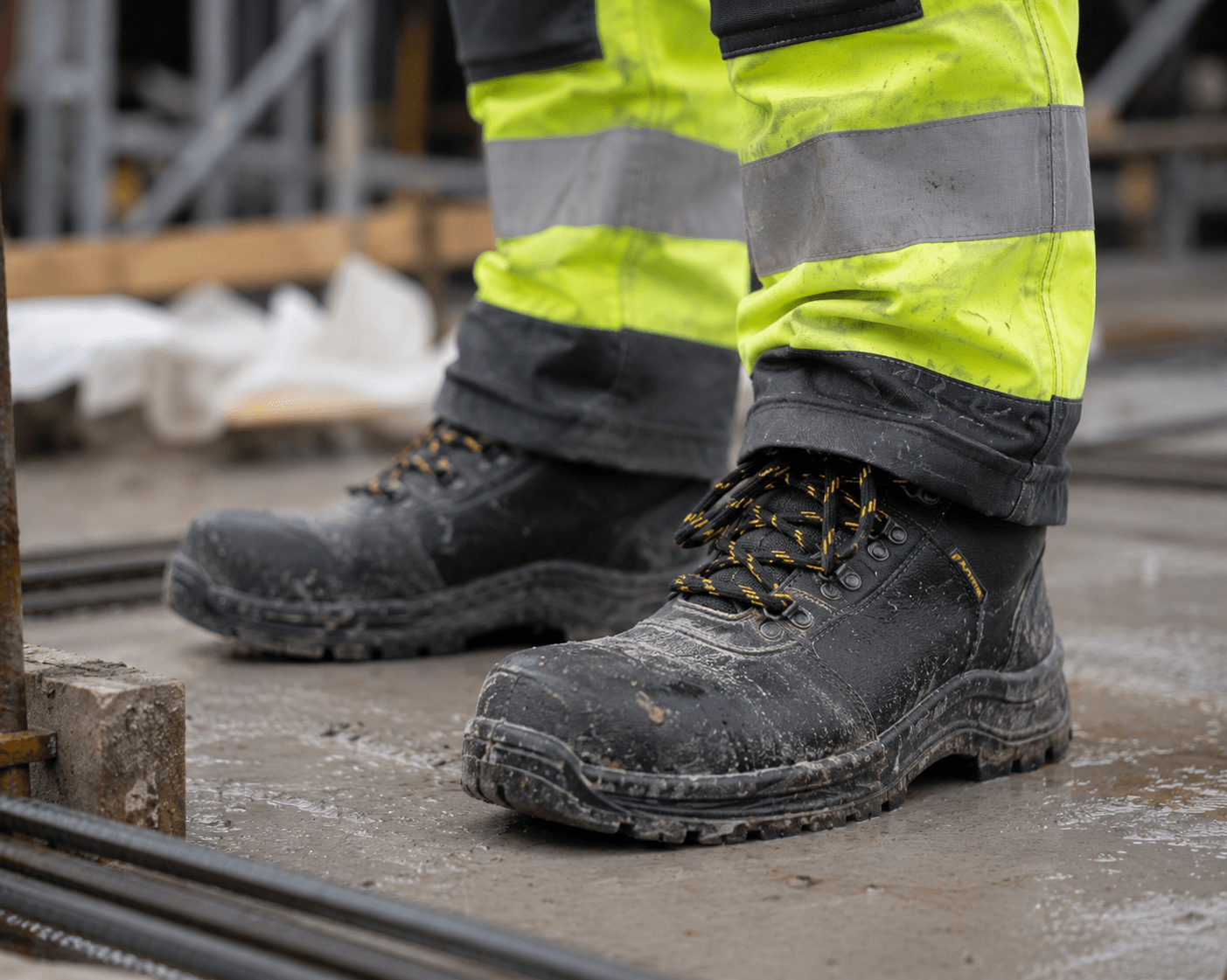
Safety footwear is essential for protecting workers’ feet against the risks of cuts, impacts, punctures and slips. On a construction site, hazards can include falling heavy objects, exposure to slippery surfaces or sharp materials, and an unpredictable environment. Safety footwear offers enhanced protection thanks to its steel or composite toe caps and slip-resistant soles, enabling workers to move around safely and with confidence.