PPE Asbestos
What equipment should an asbestos
removal contractor choose?
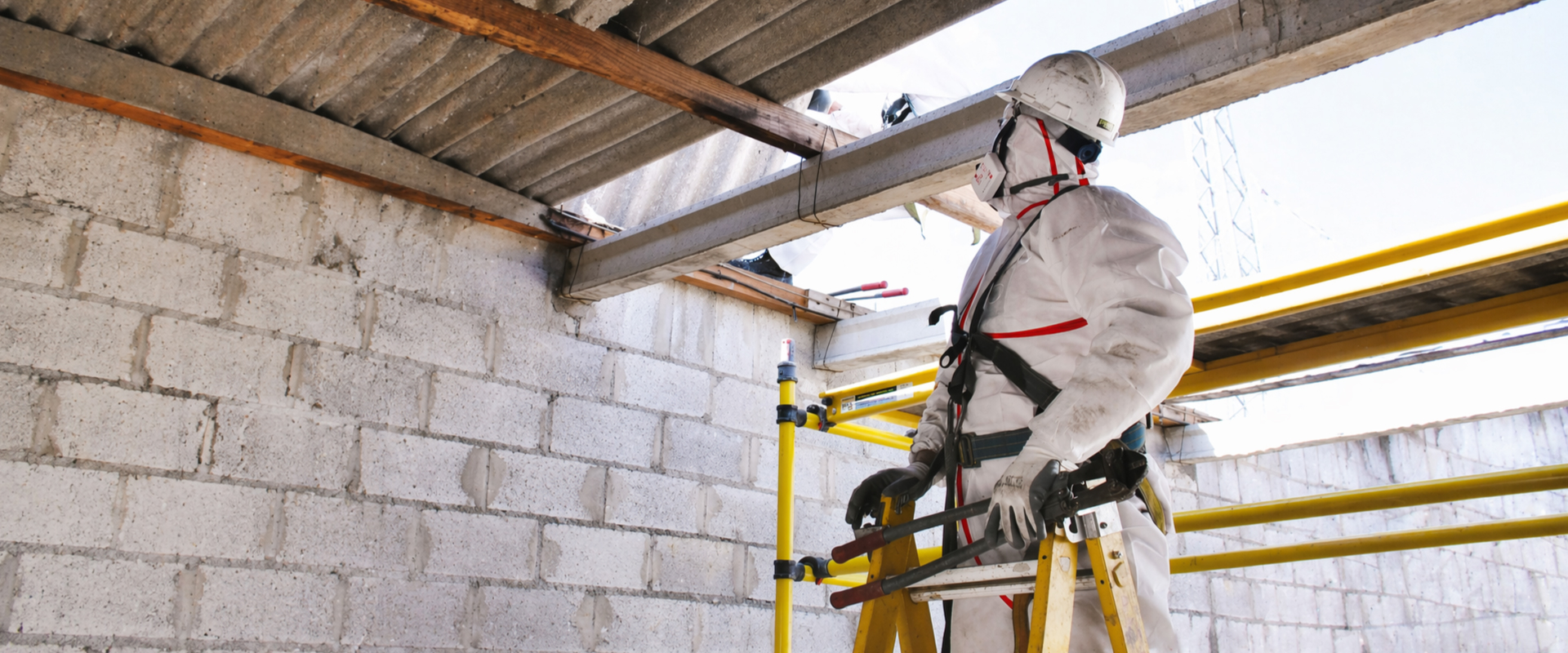
Working with asbestos poses significant health risks. This is why it is necessary to wear protective overalls and a full-face mask or FFP3 respirator when exposure to asbestos is of short duration (< 15 mins). The ISO 13982-1 standard (Type 5 for solid particles) is required for protection against asbestos fibres. When carrying out asbestos removal work, it is therefore essential to use a full set of personal protective equipment (PPE).When carrying out asbestos removal work, it is therefore essential to use a full set of personal protective equipment (PPE).
Our PPE to prevent the risks associated with asbestos
At Medicom, where we have been experts in personal protective equipment (PPE) for many years, we understand the risks faced by workers who come into contact with asbestos.
To minimise dust exposure, it is essential to wear a disposable coverall. Our coveralls are available in a range of sizes to suit all workers on site. They are designed to meet the specific needs of asbestos removal professionals and to ensure their safety and peace of mind.
Medicom guarantees fast delivery of your protective clothing and other essential equipment to ensure a safe worksite.
Discover our range of products designed for asbestos removal.
Jumpsuits
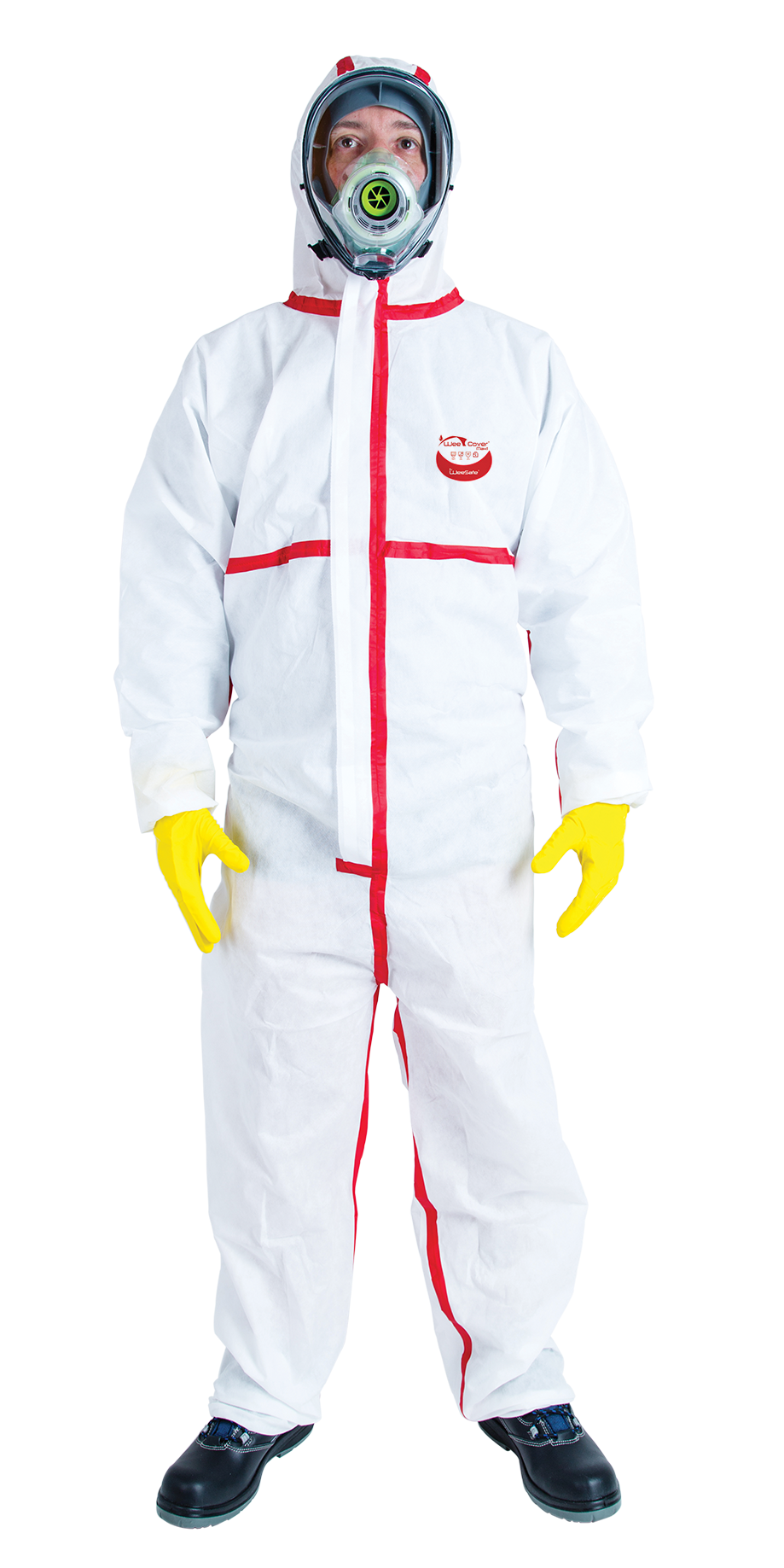
WeeCover Max1
Ideal for asbestos removal work, it offers optimal protection against asbestos fibres thanks to its heat-sealed, waterproof seams and ensures superior comfort thanks to its ultra-breathable fabric.
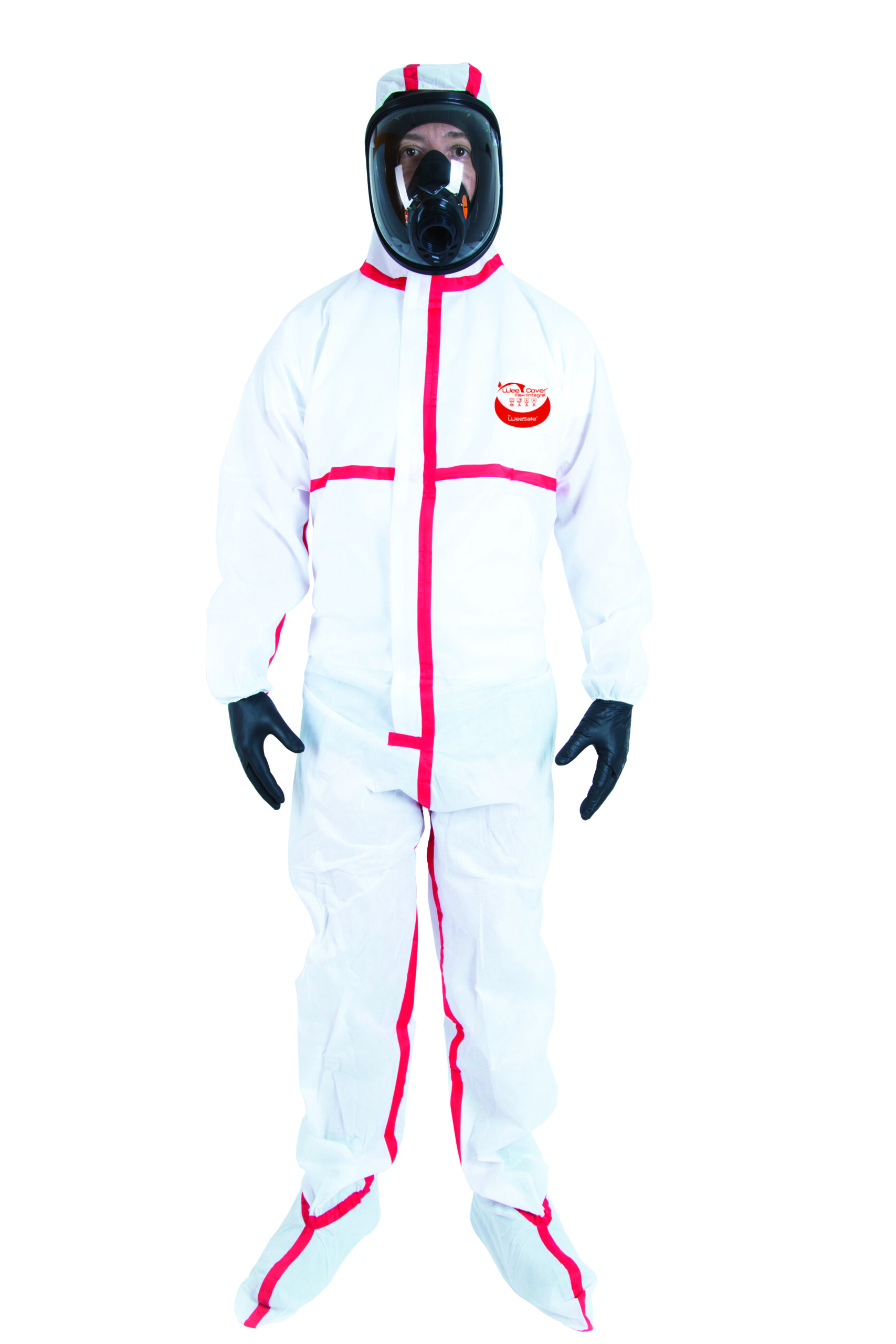
WeeCover Max1 Full-Cover
Full protection against asbestos, featuring integrated overshoes with non-slip soles, a loose fit and raglan sleeves for maximum freedom of movement.
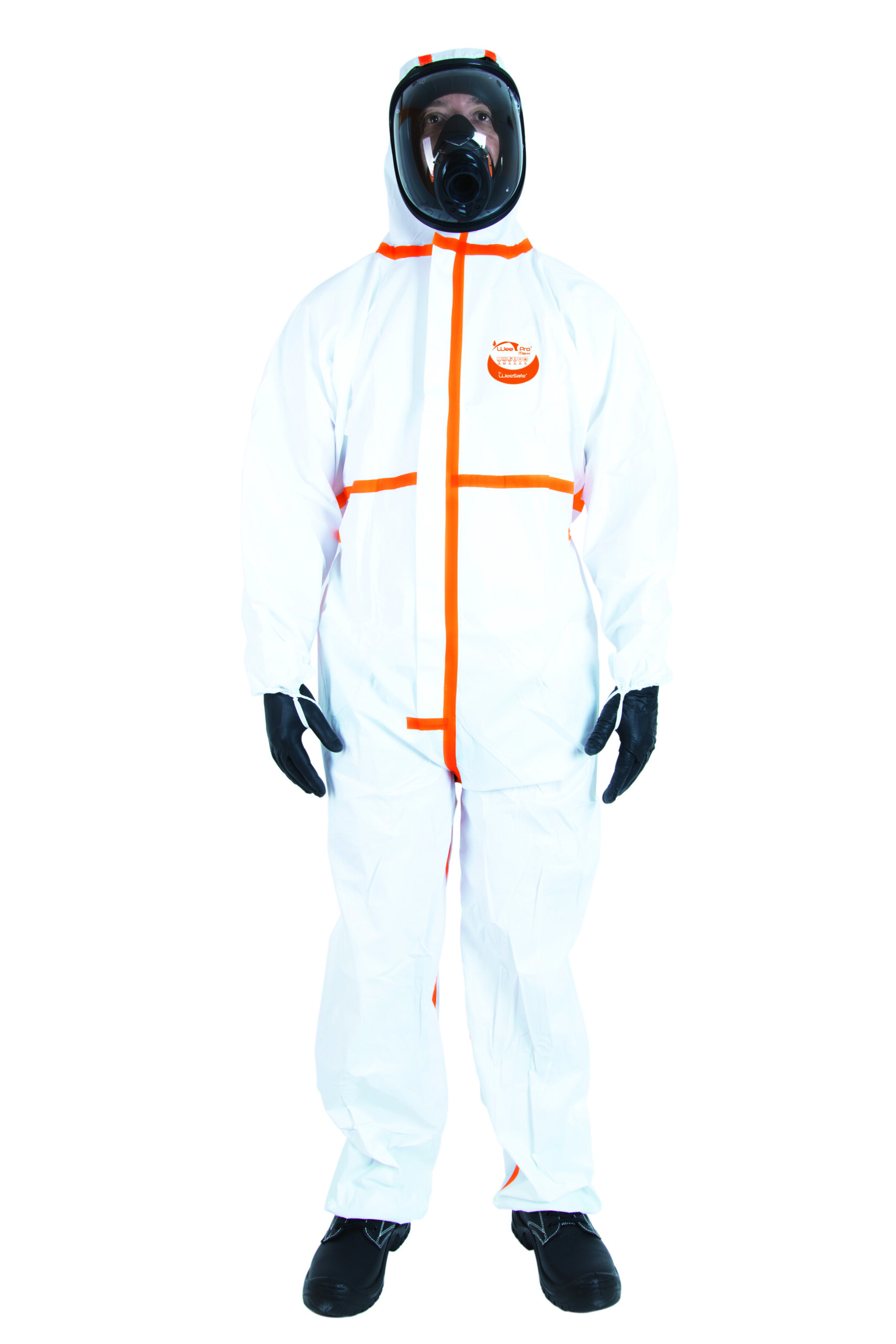
WeePro Max+
Protects against very fine particles, liquids and aerosols, thanks to its heat-sealed, leak-proof seams. It has an antistatic finish and features a zip fastening with a self-adhesive flap for added security.
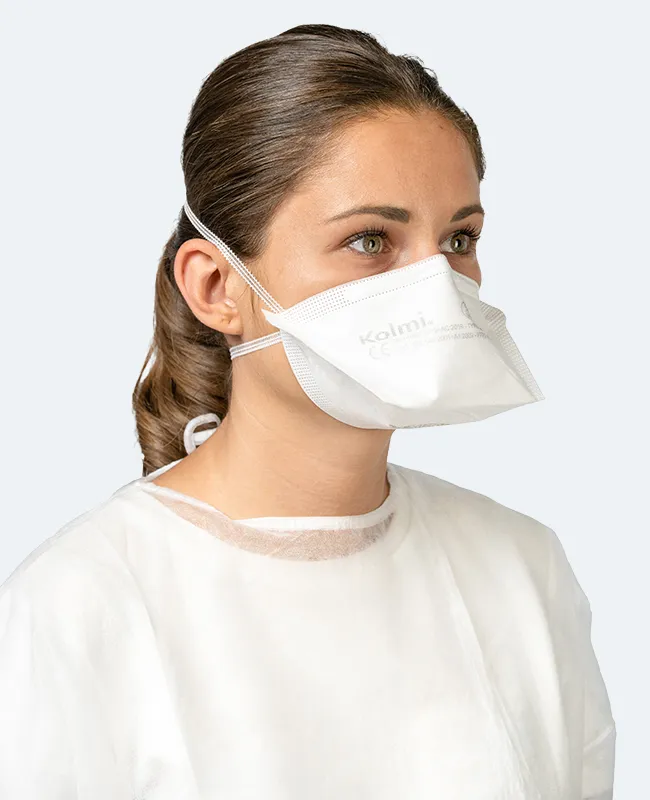
Respiratory protective masks
FFP3 Kolmi Oxygen Mass Balance
This mask offers optimal protection against aerosols and particles, making it ideal for protection against asbestos. Certified to Type IIR standards, it also protects against droplets and splashes. Its knitted elastic straps and adjustable fit ensure perfect comfort and a secure seal.
Hypoallergenic and made in France.
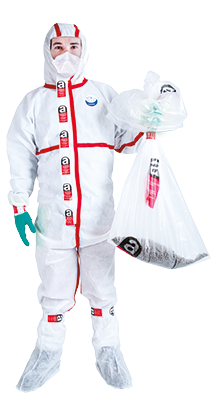
Asbestos kit
Composition
| Type 5/6 Hooded Coverall – WeeCover Max1 | x1 |
| Kolmi Oxygen FFP3 Mask | x1 |
| Gloves | x2 |
| Asbestos adhesive tape | x1 |
| Recycling bags | x2 |
| Over-boots | x2 |
How should asbestos removers choose their PPE?
| STEP 1 | Select a tear-resistant material
Most asbestos removal suits are made from SMS, a well-known breathable material. According to the INRS, this material must meet strict mechanical strength criteria to prevent premature tearing. The mechanical stresses involved in asbestos removal work are, in fact, very intense.
| STEP 2 | Select a material that effectively filters out asbestos particles
The filtration of asbestos particles is a crucial factor when choosing protective clothing. Do you know what the leakage rate of your disposable equipment is?
| STEP 3 | Choose a jumpsuit with sturdy seams and a loose fit
Our WeeCover Max1 protective coverall offers seam strength in accordance with ISO 13935-2: Class 3.
For asbestos removal work, a loose fit is essential to allow for ease of movement. The WeeCover Max 1 coverall is generously cut to provide operators with optimal freedom of movement. Our hoods are designed to allow the head to move freely without pulling on the fabric.
| Inward leakage tests (in %). L82 / 90. | Inward leakage tests (in %). TILS8 / 10 | Average value of all incoming leaks (as a percentage) AVERAGE |
|---|---|---|
| In accordance with Type 5 of EN ISO 13982-1, this must be ≤ 30% | In accordance with Type 5 of EN ISO 13982-1, this must be ≤ 15% | Complies with Type 5 of EN ISO 13982-1 – NO LIMIT VALUE |
| In accordance with INRS recommendation ED 6247, this must be ≤ 10% | In accordance with INRS recommendation ED 6247, this must be ≤ 5% | In accordance with INRS recommendation ED 6247, this must be ≤ 5% |
| WeeCover Max protective coverall 1 result ≤ 8% | WeeCover Max protective coverall 1 result ≤ 4.3% | WeeCover Max1 protective coverall: results ≤ 3.9% |
A disposable coverall is an effective way to minimise dust during work, providing a complete protective kit. Take a look at the details of our asbestos kits to choose the best equipment for your needs.
Which occupations are most exposed to asbestos?
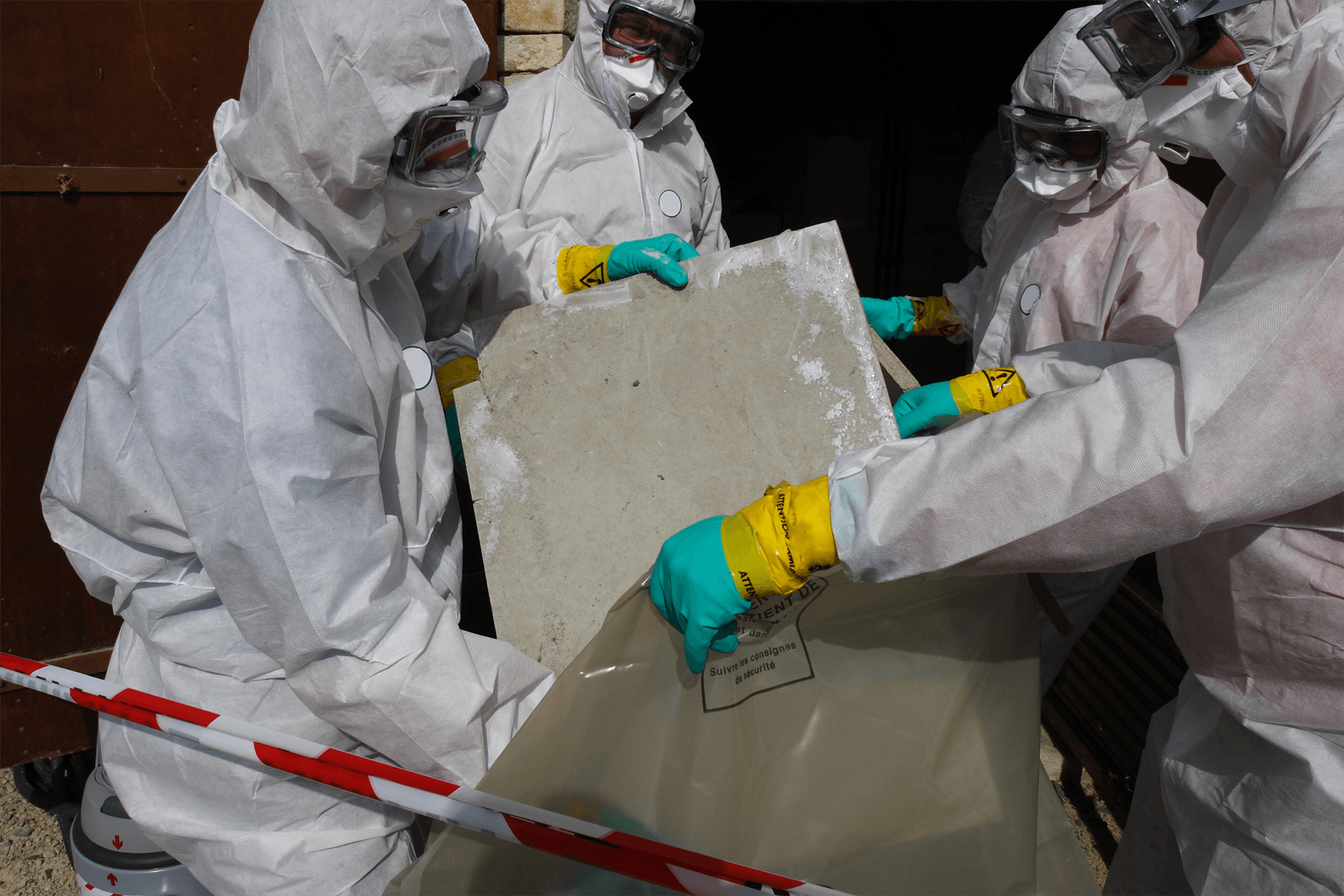
Asbestos removal specialists
They are responsible for encapsulating or removing materials containing asbestos. This work requires specialist skills and appropriate protective equipment due to the high level of exposure to asbestos fibres.
Property surveyors
They are responsible for detecting and assessing the presence of asbestos in buildings. They carry out thorough inspections to identify asbestos-containing materials and assess potential risks.
Other occupations that may be at risk
Lift manufacturers:
They are responsible for the maintenance and replacement of lift cables and parts and may therefore be exposed to asbestos present in older components.
Terrace workers and miners:
During earthworks, tunnel boring or mining operations, these workers may encounter soil or rock containing asbestos.
Car mechanics:
Mechanics working on brake linings, clutches, starters and alternators may be exposed to asbestos fibres present in these parts.
Road works operators:
Professionals involved in the milling of road surfaces may be exposed to asbestos present in old layers of asphalt.
What are the main risks associated with asbestos?
Chemical risk
When inhaled, asbestos fibres can cause serious illnesses such as:
- Asbestosis: a chronic lung disease causing inflammation and fibrosis.
- Lung cancer: increased risk, particularly among smokers.
- Mesothelioma: an aggressive form of cancer affecting the lining of the lungs, abdomen or heart.
Chemical risk
Work involving asbestos-containing materials, such as asbestos removal, demolition, insulation work or renovation, releases harmful fibres into the air. Everyday activities such as handling, maintaining and repairing asbestos-containing materials pose significant risks.