Job profile:
PPE for insulation trades
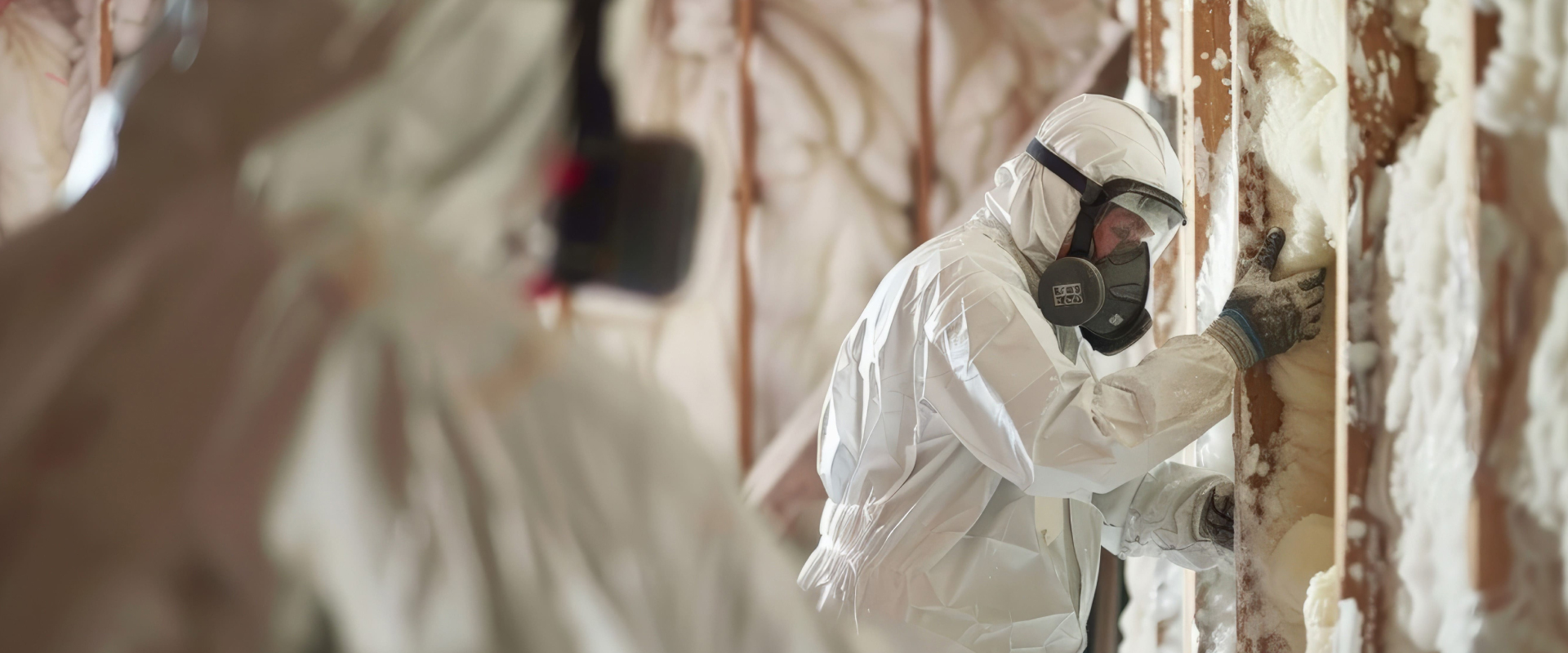
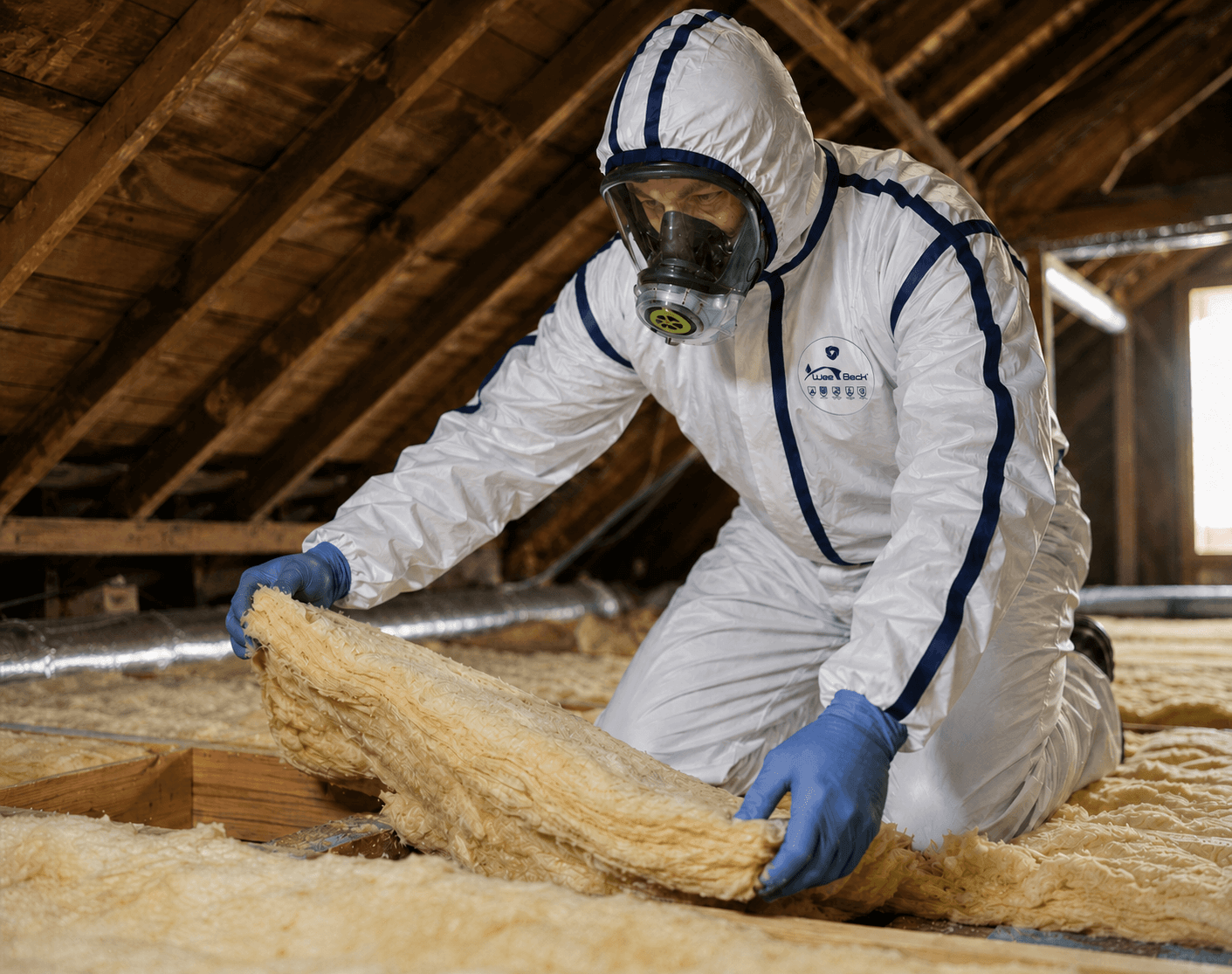
Workers in the insulation sector are exposed to high levels of fibre and dust emissions, most often in very confined spaces. The various fibres and foams sprayed using dry or wet methods can cause skin irritation, similar to that encountered when working with asbestos-containing materials. The operator’s personal protective equipment must minimise fibre exposure as much as possible.
Personal protective equipment (PPE) is essential for companies specialising in insulation work carried out in challenging conditions.
What safety standards apply to insulation work?
In insulation work, standards and legal requirements are designed to ensure the safety of workers by protecting them from the risks associated with exposure to solid particles and chemicals. Personal protective equipment (PPE) must be selected in accordance with the insulation methods used by the company, to meet the requirements of current standards whilst ensuring comfort and effectiveness.
Dry-out insulation
The operation requires Category 3 PPE, comprising a Type 5 coverall for protection against solid particles, as well as an FFP2-type respirator to prevent the risk of irritation or damage to the respiratory tract.
Wet-applied insulation
It requires a Type 4/5/6 suit, which protects not only against solid particles but also against limited sprays and splashes of non-hazardous chemicals.
The different types of insulation
The materials used for insulation determine the specific risks to which workers are exposed on construction sites, which directly influences the choice of personal protective equipment (PPE).
Natural wools
Linen, hemp, sheep’s wool, cork… These materials can release organic dust containing micro-organisms such as dust mites, mould and bacteria, as well as residues of insecticides, fungicides and flame retardants. This requires respiratory protection and a coverall with sealed seams to prevent contamination.
Mineral wool
Glass wool, rock wool, slag wool… The use of these materials poses a risk of skin and respiratory tract irritation due to the fine particles released. Gloves, sealed overalls and specialised masks are essential to prevent these risks.
Polyurethane foam
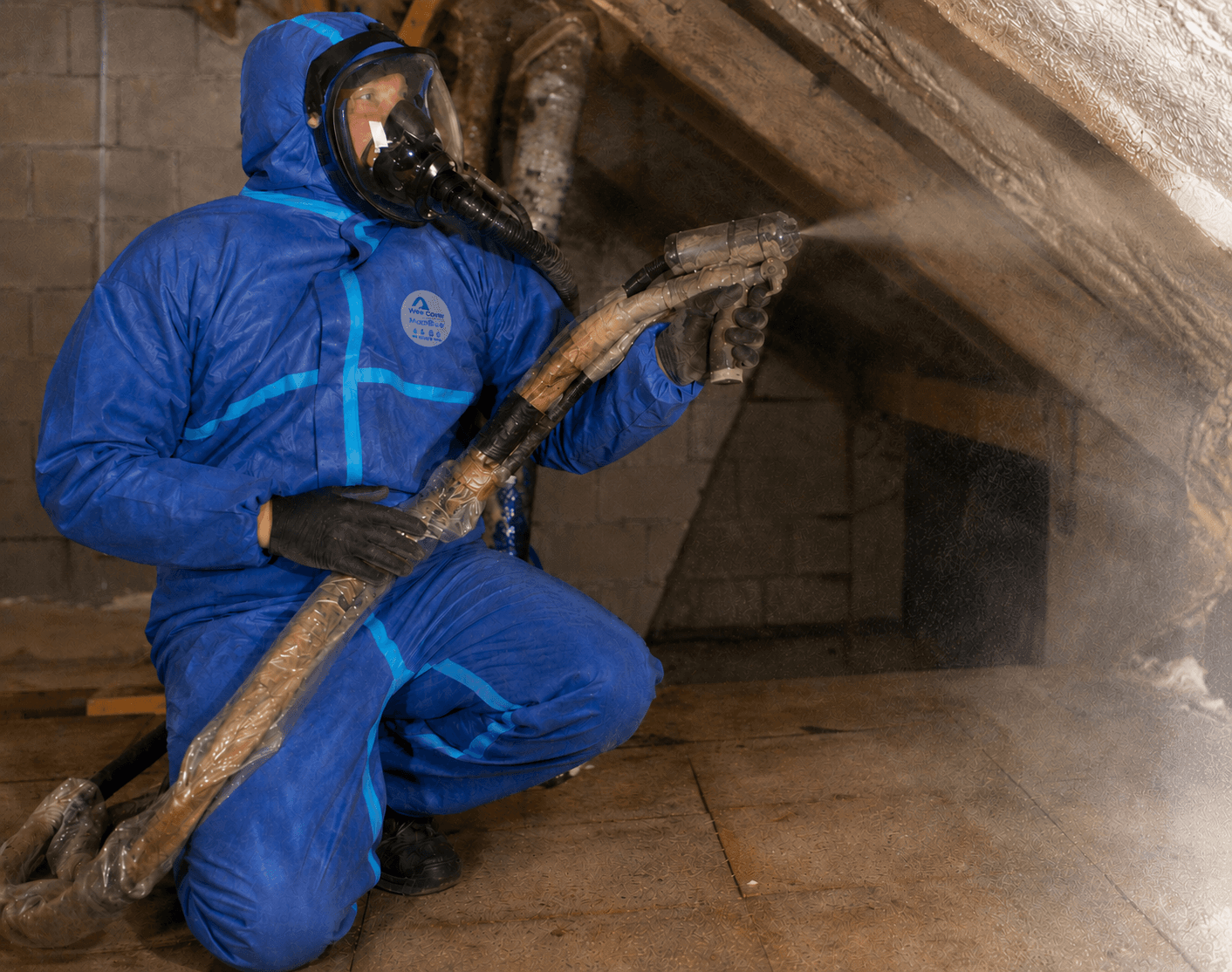
During application and spraying, isocyanate vapours, in particular methylene diphenyl diisocyanate (MDI), may be released, posing a risk of respiratory and skin irritation. The use of suitable respiratory masks and gloves is essential to protect workers.
Why choose our PPE?
Choosing our PPE means opting for safety, quality and compliance. With recognised expertise in the design and manufacture of protective equipment, Medicom is committed to providing equipment that meets the most stringent standards to protect your staff in high-risk environments.
Our innovative solutions guarantee optimum protection, whilst ensuring comfort and performance in the field.
Jumpsuits
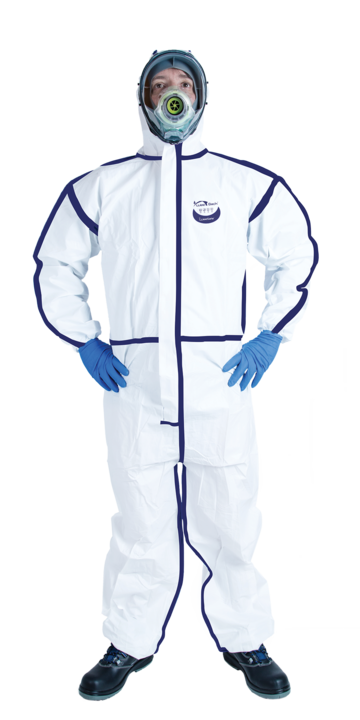
WeeBack
A coverall offering protection on the front against wet splashes. Its ventilated back ensures optimum comfort for insulation fitters and thermal and acoustic insulation technicians. Its taped seams and self-adhesive flap provide enhanced protection against solid or semi-liquid splashes.
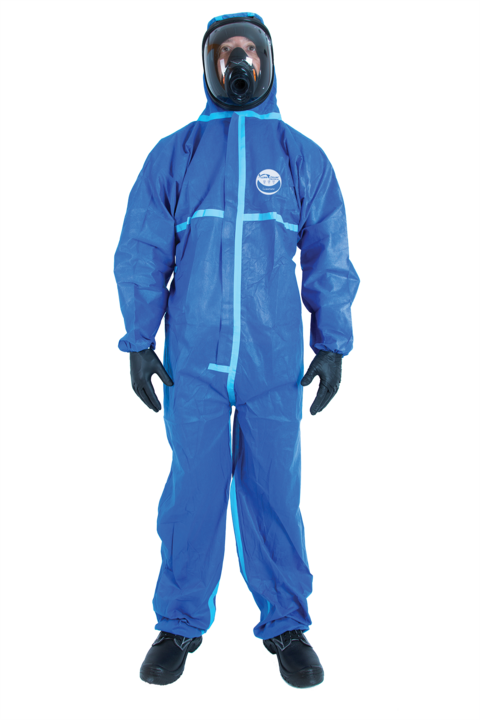
WeeCover Max1 Blue
Breathable, hooded protective coverall for optimum comfort in high-heat environments. Its sealed seams protect against insulating fibres and ensure excellent resistance to tearing. Ideal for insulation fitters and technicians working with materials such as glass wool or rock wool.
Masks
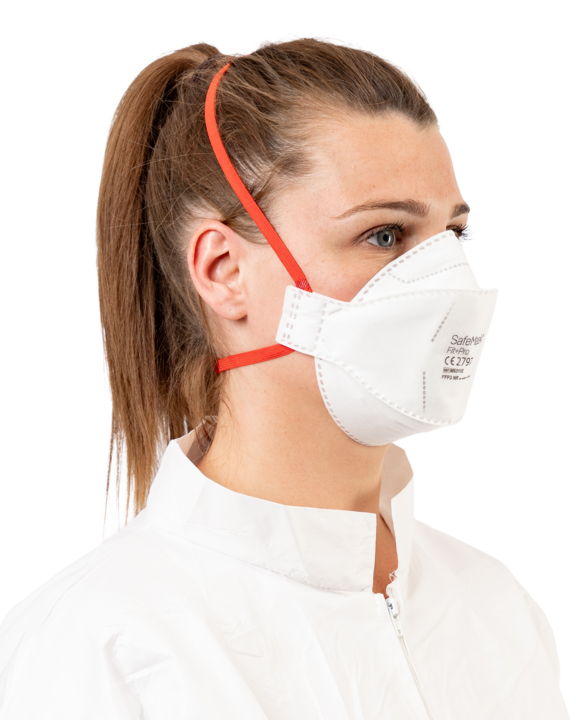
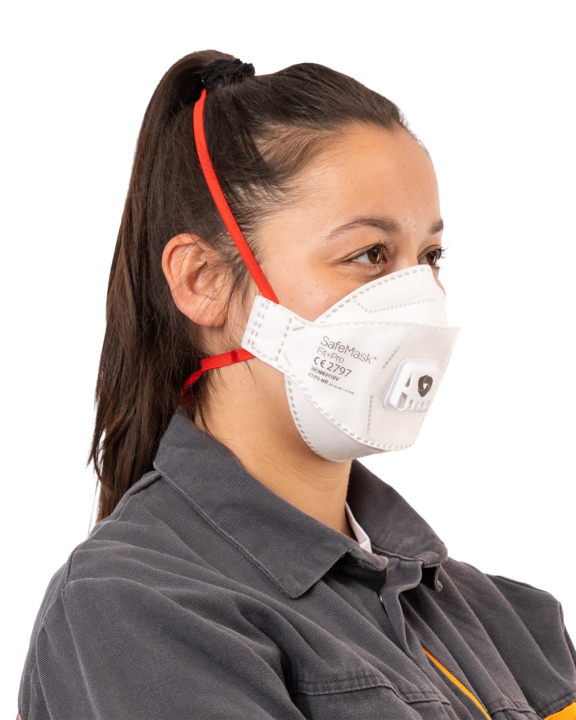
The SafeMask Fit+Pro FFP3 NR mask provides effective respiratory protection against fibres, fine dust and particles generated during insulation work. Comfortable and perfectly fitted, it helps to protect the respiratory tract of professionals working with natural wool, mineral wool or insulating foam.