


PPE for Painters
& the Paint Industry
What personal protective equipment
should you choose?
In the paint industry, three main types of paint are used: water-based paint, powder paint and solvent-based paint (the most hazardous to health, widely used in industrial settings).
Our protective solutions feature seams that are impervious to liquid aerosols and powder splashes, thereby ensuring optimum protection for workers. By choosing our coveralls, workers significantly reduce their exposure to these hazards and ensure their safety at work.
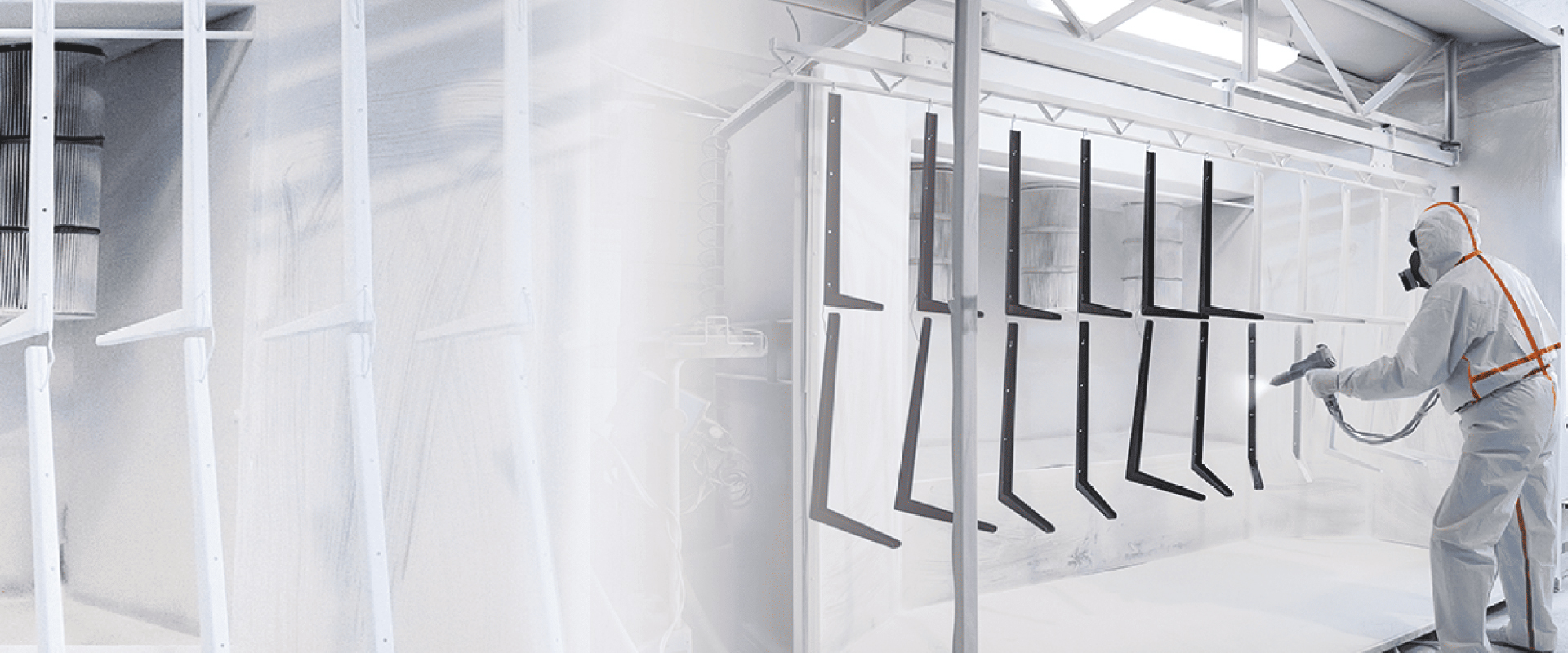
The main risks associated with painting
It is essential to protect yourself against the health risks associated with exposure to the chemicals contained in paints.
The vapours and particles released during application can cause respiratory problems, skin irritation and other adverse health effects.
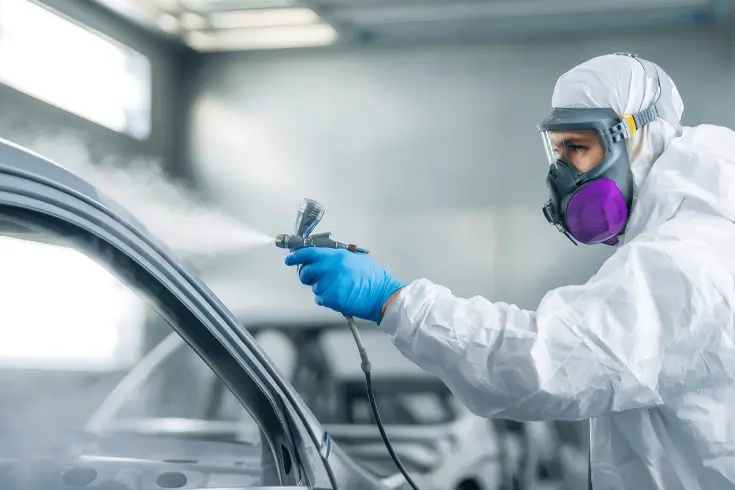
Water-based paint
Risks:
- Eye contact: may cause eye irritation and redness.
- Inhalation of vapours and aerosols: may cause respiratory tract irritation, coughing, headaches and dizziness.
- Skin contact: may cause skin irritation, dermatitis and allergic reactions.
Occupations at risk:
- House painters
- Workers in the automotive industry
- Furniture manufacturers
Powder coating
Risks:
- Inhalation of fine particles: may cause respiratory problems, such as asthma, respiratory tract irritation and chronic lung diseases.
- Skin contact: may cause skin irritation and allergic reactions.
- Explosion risks: Powder coating dust can form explosive atmospheres if it becomes airborne and comes into contact with an ignition source.
Occupations at risk:
- Powder coating line operators
- Workers in the metalworking industry
- Manufacturers of household appliances
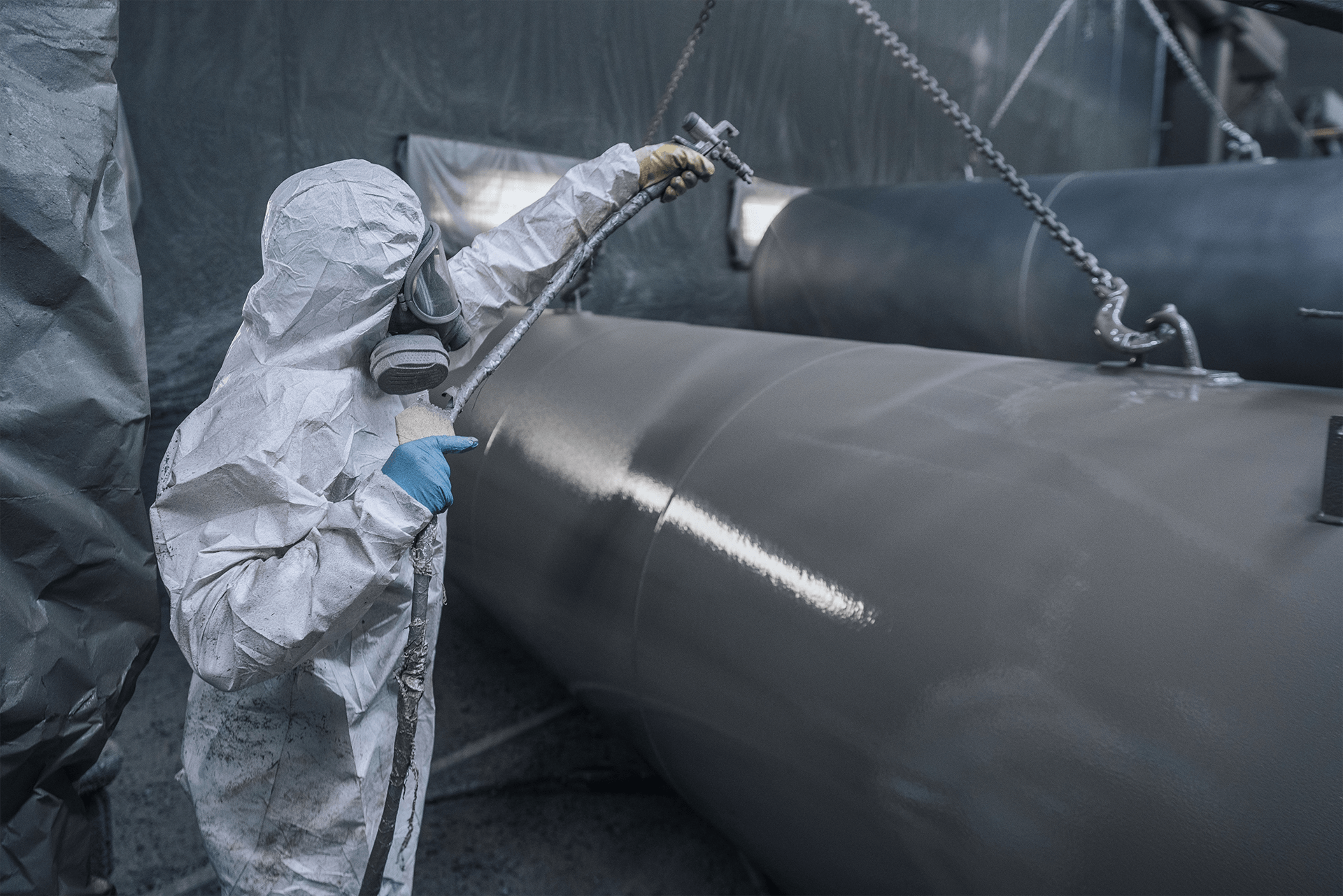
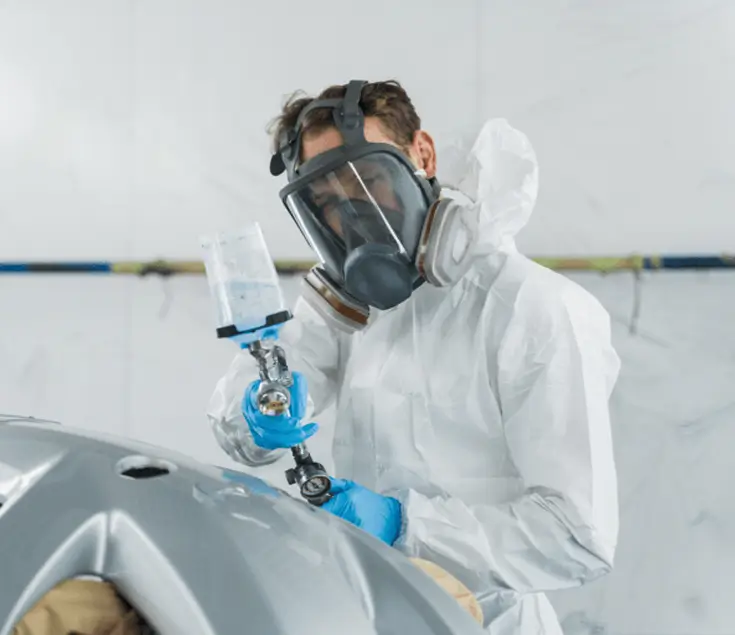
Solvent-based paint
Risks:
- Inhalation of vapours: May cause headaches, dizziness, nausea, neurological disorders and long-term damage to the central nervous system.
- Skin contact: May cause skin irritation, dermatitis and allergic reactions.
- Eye contact: May cause eye irritation and damage.
- Risk of explosion and fire: Solvents are highly flammable and may pose a risk of explosion. Friction, contact or separation generate static electricity which, if not discharged via a suitable earth connection, may discharge spontaneously, creating a high-voltage spark.
Occupations at risk:
- Industrial painters
- Workers in the maritime industry
- Manufacturers of electronic products
Our PPE to protect you from the risks associated with painting
For each of these types of paint, it is essential to wear appropriate personal protective equipment (PPE), such as protective coveralls, full-face respirators or cartridge respirators, gloves, shoe covers, etc.
Jumpsuits
Protective coveralls are essential for painters to provide effective protection against paint splashes and chemicals. Our coveralls are available in a range of sizes and provide a complete barrier for maximum safety whilst working.
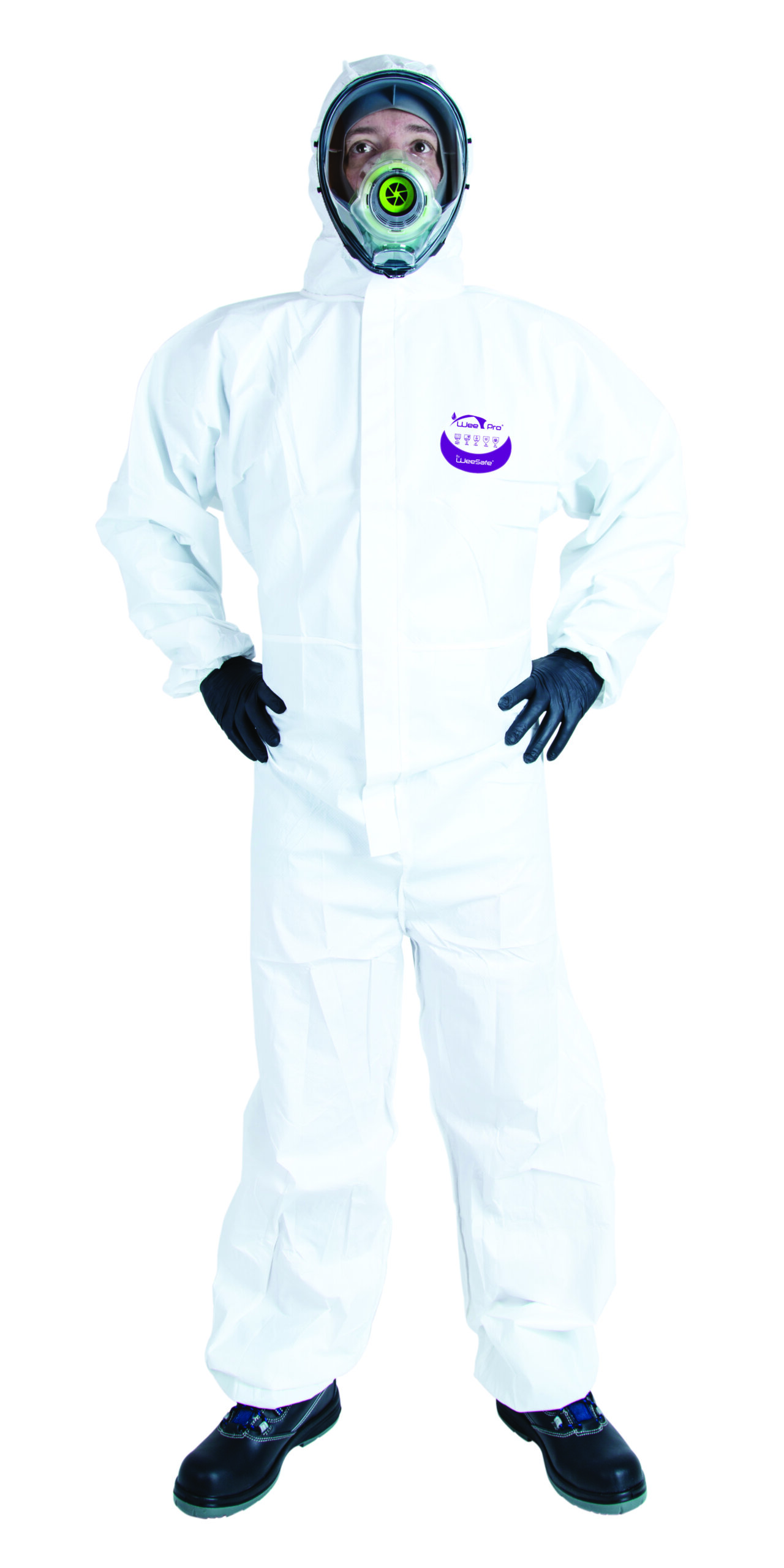
WEEPRO® TYPE 5/6 SUIT
Ideal protection against splashes of water-based paint. Its self-adhesive flap provides full protection for the front of the body, and it features an anti-static treatment on both sides.
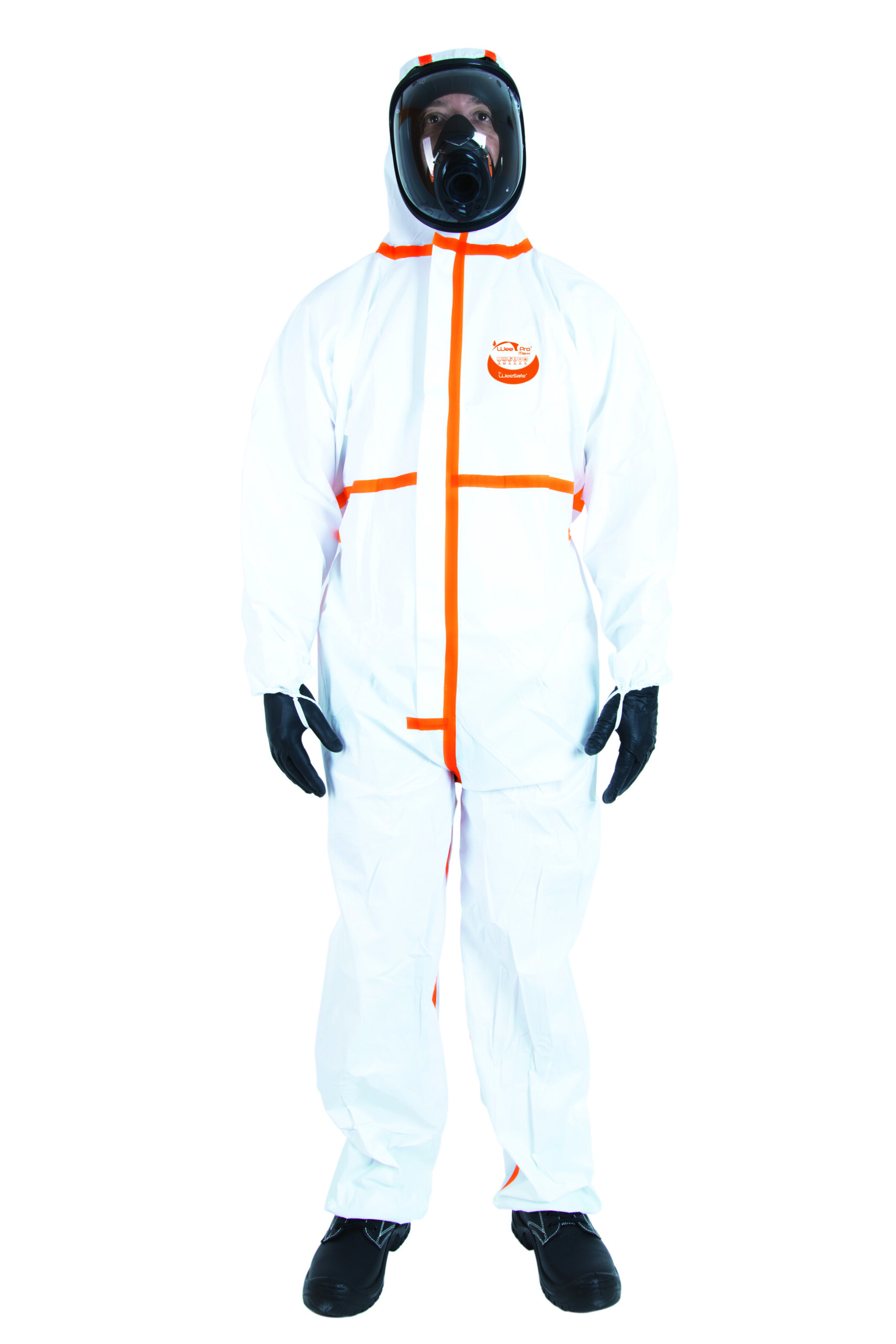
WEEPRO® MAX SUIT + TYPE 4/5/6
Protects against splashes of solvent-based paint in aerosol form. Its sealed seams and self-adhesive flap provide complete protection during paint spraying.
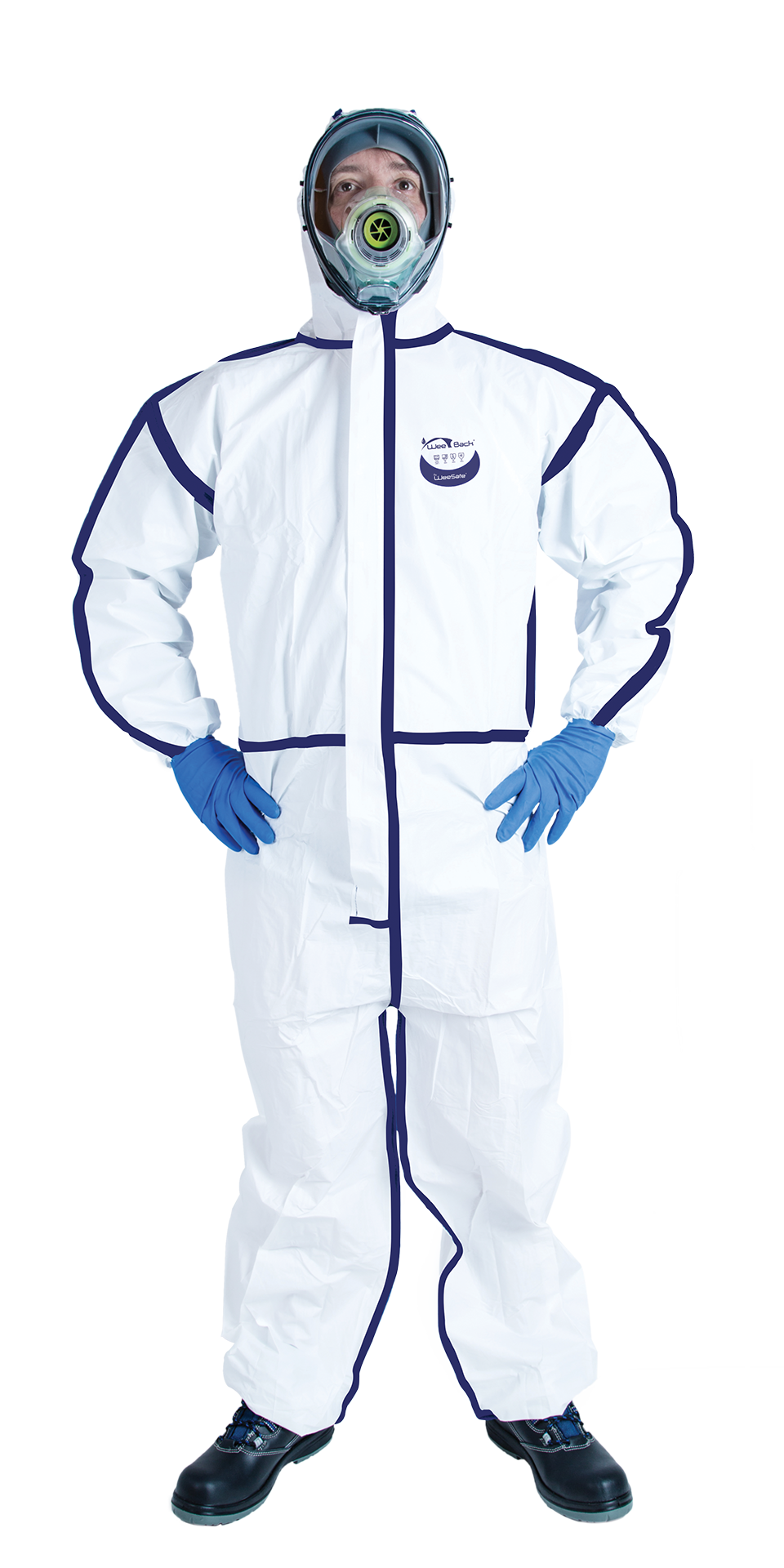
WEEBACK® TYPE 5/6 SUIT
Provides effective protection against splashes of powder and water-based paint thanks to its heat-sealed seams and zip fastening with a self-adhesive flap. Offers excellent breathability thanks to its ventilated back panel.
Gloves
Gloves are essential equipment for ensuring the safety and protection of painters whilst they work. Available in a range of sizes and materials, our gloves offer optimal protection against chemicals, abrasives and other hazards associated with painting.
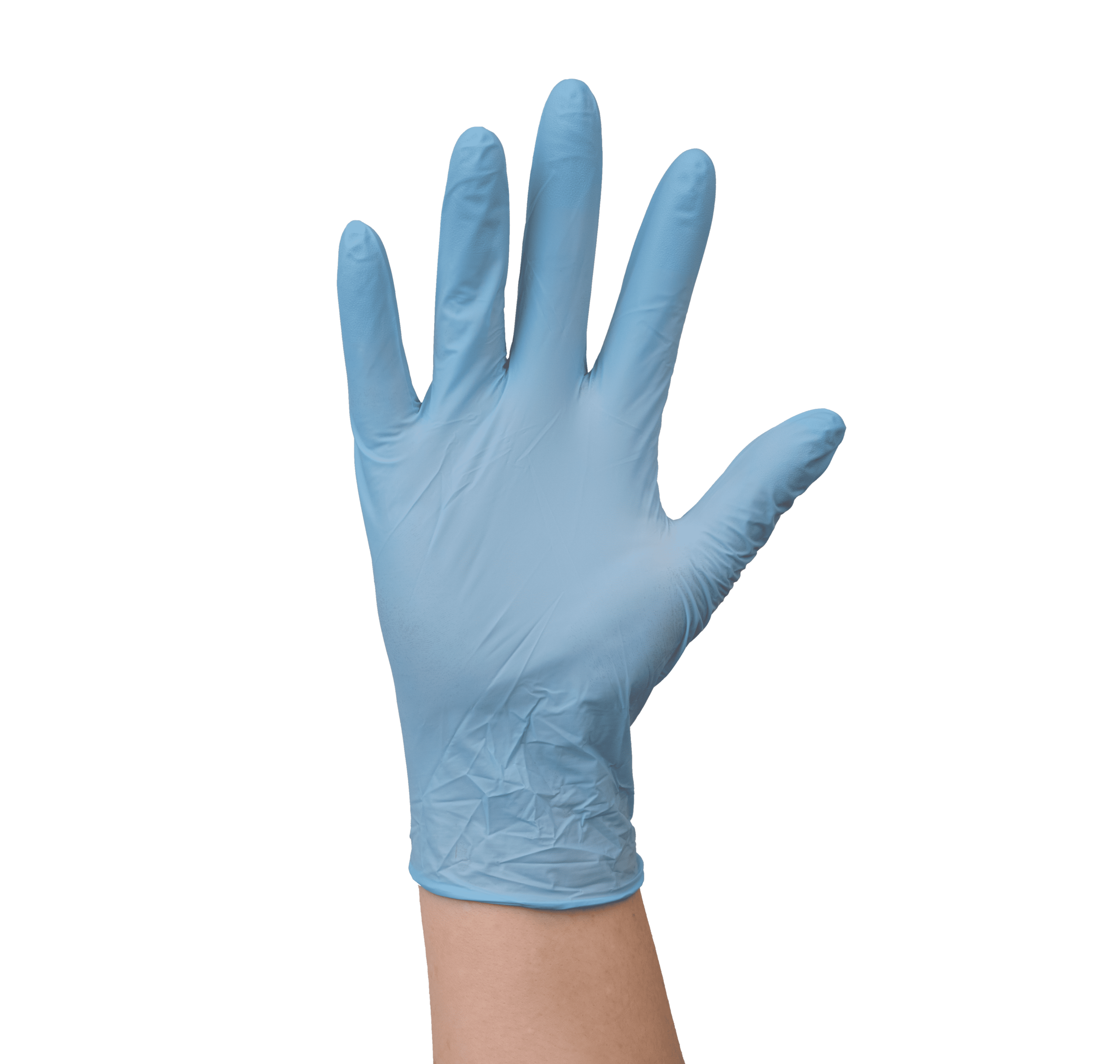
SAFETOUCH® HEAVY NITRILE GLOVE
Optimal comfort and excellent dexterity, with superior grip in both wet and dry conditions thanks to its textured fingertips. Its robust construction ensures excellent durability, making it ideal for protecting against hazards in the painting industry.
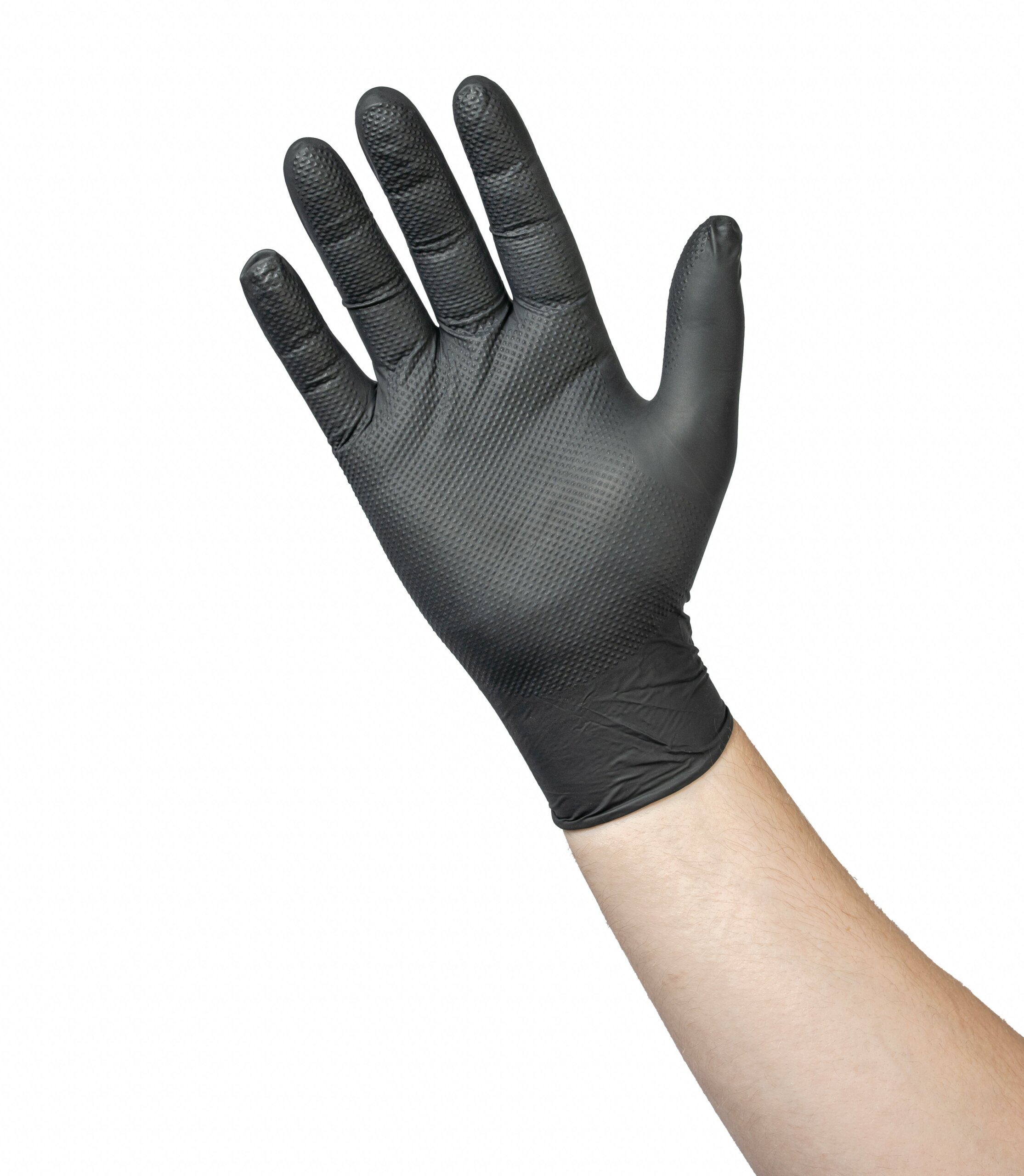
HERKUL® GRIP STRONG NITRILE GLOVE
Offers up to twice the grip on oily surfaces thanks to its unique 3D textured surface, making it ideal for the paint industry. It ensures maximum dexterity, and its optimised thickness provides greater comfort whilst reducing fatigue.
Overshoes
Over-shoes are essential for ensuring protection and keeping the site clean during painting work. Our high-quality over-shoes, available in a range of sizes, protect your shoes from splashes whilst ensuring excellent grip on the floor.
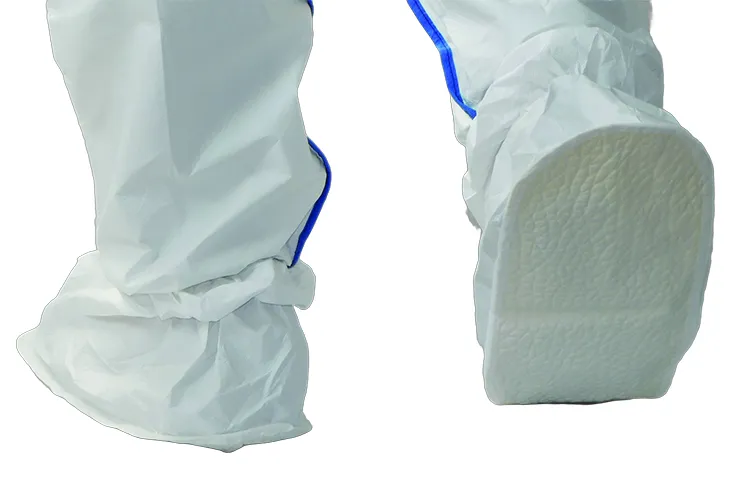
WEEPRO® OVERBOOTS WITH PB 6 SOLE
Ideally suited for the paint industry, they protect against splashes of low-concentration chemicals, powders, adhesives, glass fibres, solvents and paints. They feature a low-lint fabric to prevent contamination and a non-slip PVC sole that is effective on both dry and wet floors.
Available in 3 sizes.
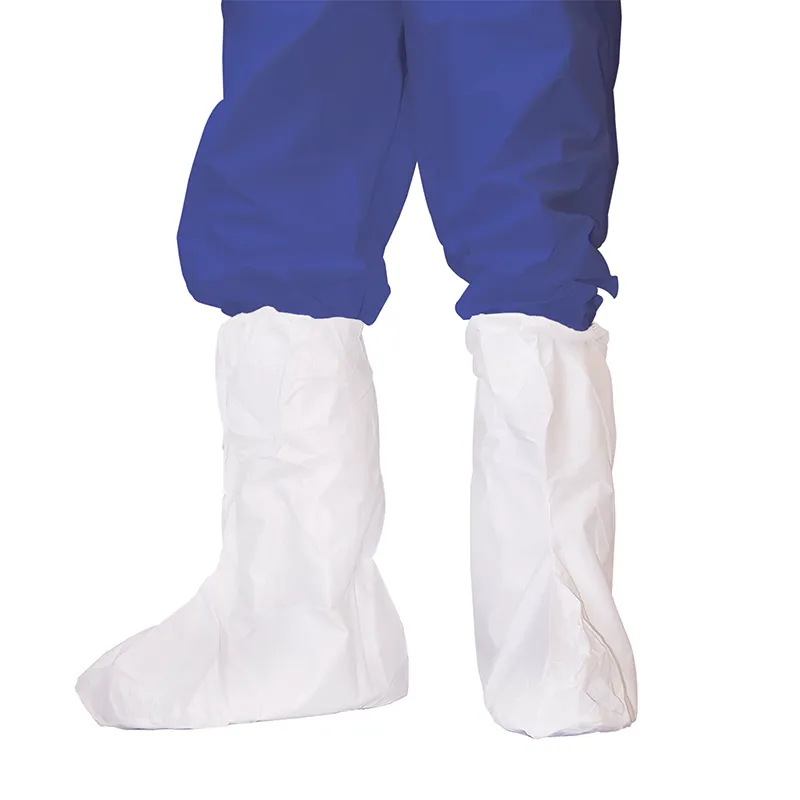
WEEPRO® SOLELESS OVERBOOTS, TYPE PB 6
Reach down to the knee to protect the most exposed areas. Ideal for protection against splashes of low-concentration chemicals, powders, adhesives, fibreglass, solvents and paints. Their antistatic treatment helps to dissipate electrostatic charges.
Available in 3 sizes.
How should industrial painters choose their PPE?
It is crucial to choose suitable protective clothing for working with paint, taking into account the amount of paint used, the application method and the ventilation conditions. PPE is classified into three categories according to its level of protection.
Categories of PPE
Category I: Basic protection
- Description: Simple PPE designed to protect against minimal risks.
- Examples: lightweight gloves, dust masks.
- Usage: light painting tasks where there is little risk, such as using water-based paint in a well-ventilated area.
Category III: Complex protection
- Description: PPE of complex design intended to protect against serious risks. It requires rigorous quality control and certification by a notified body.
- Examples: dry suits, self-contained breathing apparatus, cut-resistant and chemical-resistant gloves.
- Use: high-risk painting tasks, such as solvent-based painting in confined spaces where there is a high risk of inhaling toxic fumes and of explosion.
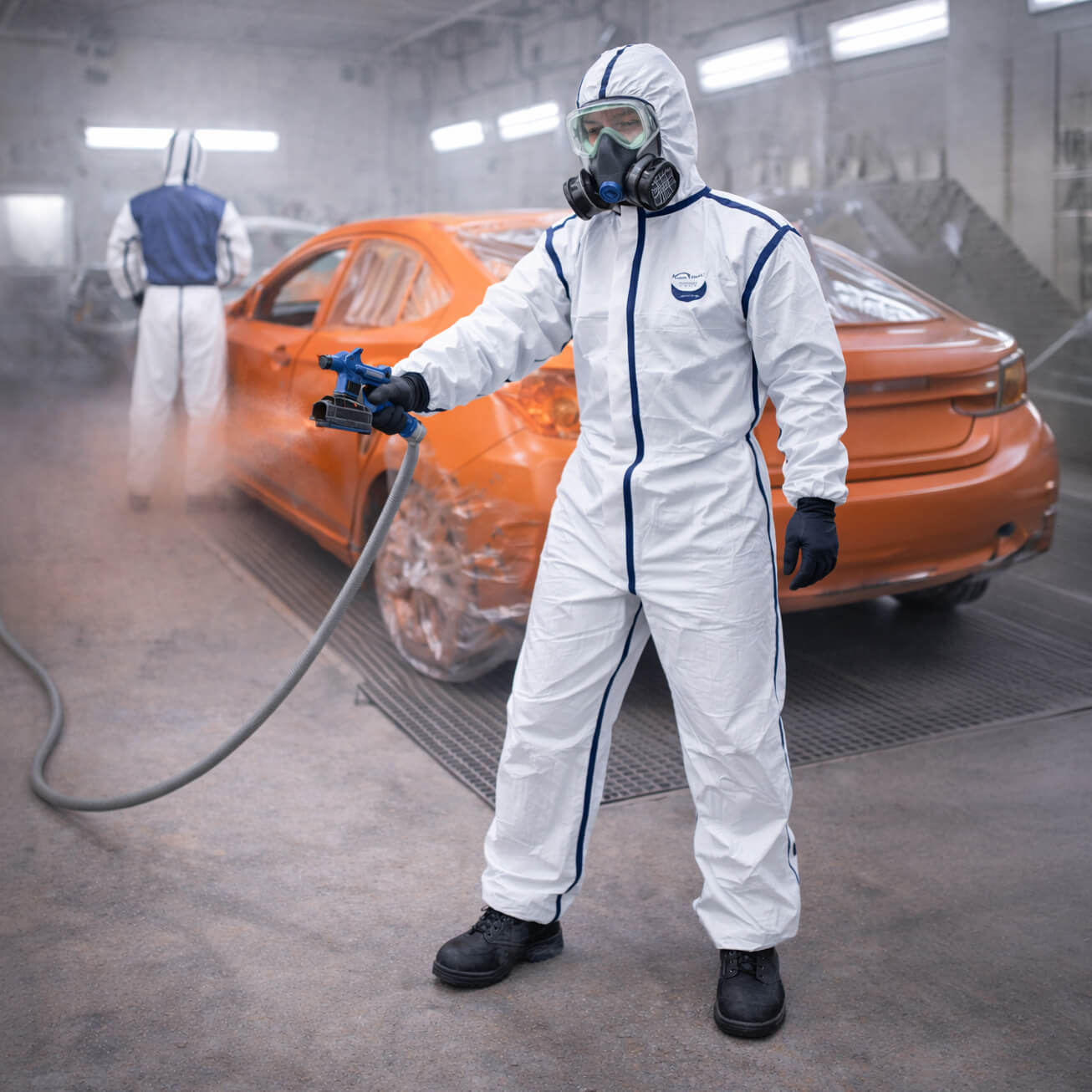

Criteria for selecting PPE
Compliance with standards
Check that PPE complies with European standards (CE marking) and is certified by a notified body. Ensure that Category II and III PPE comes with instructions for use and a certificate of conformity.
Risk adaptation
Assess the specific risks in your workplace (inhalation of vapours, contact with chemicals, explosion) in order to select PPE that provides adequate protection against them.
Comfort and ergonomics
Choose PPE that is comfortable to wear for long periods; a good fit is crucial to ensure effectiveness and comfort. Look for lightweight, well-ventilated equipment to minimise fatigue and improve productivity.