PPE for shipyards
What protective equipment should you
choose for jobs in the nautical sector?
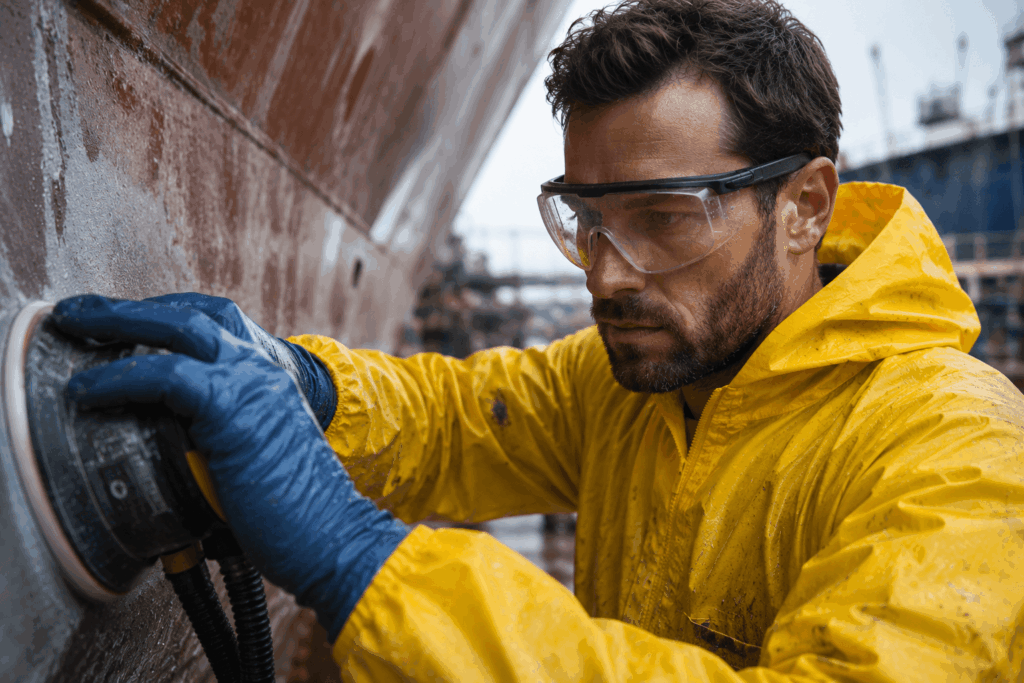
Work in boat maintenance and construction involves the use of numerous chemicals, such as solvents, paints, gelcoat, antifouling and resins. These substances are commonly used in tasks such as stripping, painting and sanding hulls during refurbishment.
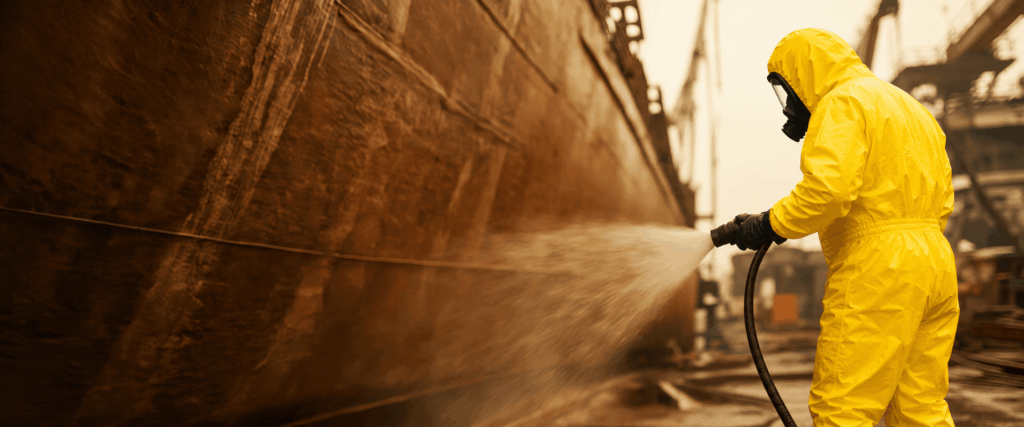
These activities expose operators to a range of risks, including high levels of dust generated during processes such as moulding, which are frequently encountered in environments where composite materials are handled. These particles can be harmful to their health, as can vapour emissions and chemical splashes.
To assess the risks, it is crucial to analyse the form of the chemical carefully. Is it a solid or a liquid? If it is a liquid, how might it come into contact with the operator? The risks vary depending on whether it involves small splashes, heavy splashes or aerosols.
Finally, knowing the exact composition of the chemical is essential for selecting the appropriate personal protective equipment (PPE) and ensuring workers’ safety.
PPE: protective coveralls for shipyards
In the marine industry, workers handle chemicals and are exposed to hazardous dust. Protective coveralls are essential for preventing irritation, allergies and poisoning by creating an effective barrier against splashes and particles.
As well as protecting against biological and chemical hazards, they contribute to the wearer’s comfort, which is essential during long working days. Choosing the right coverall ensures safety and efficiency in the demanding environments of this sector.
Jumpsuits
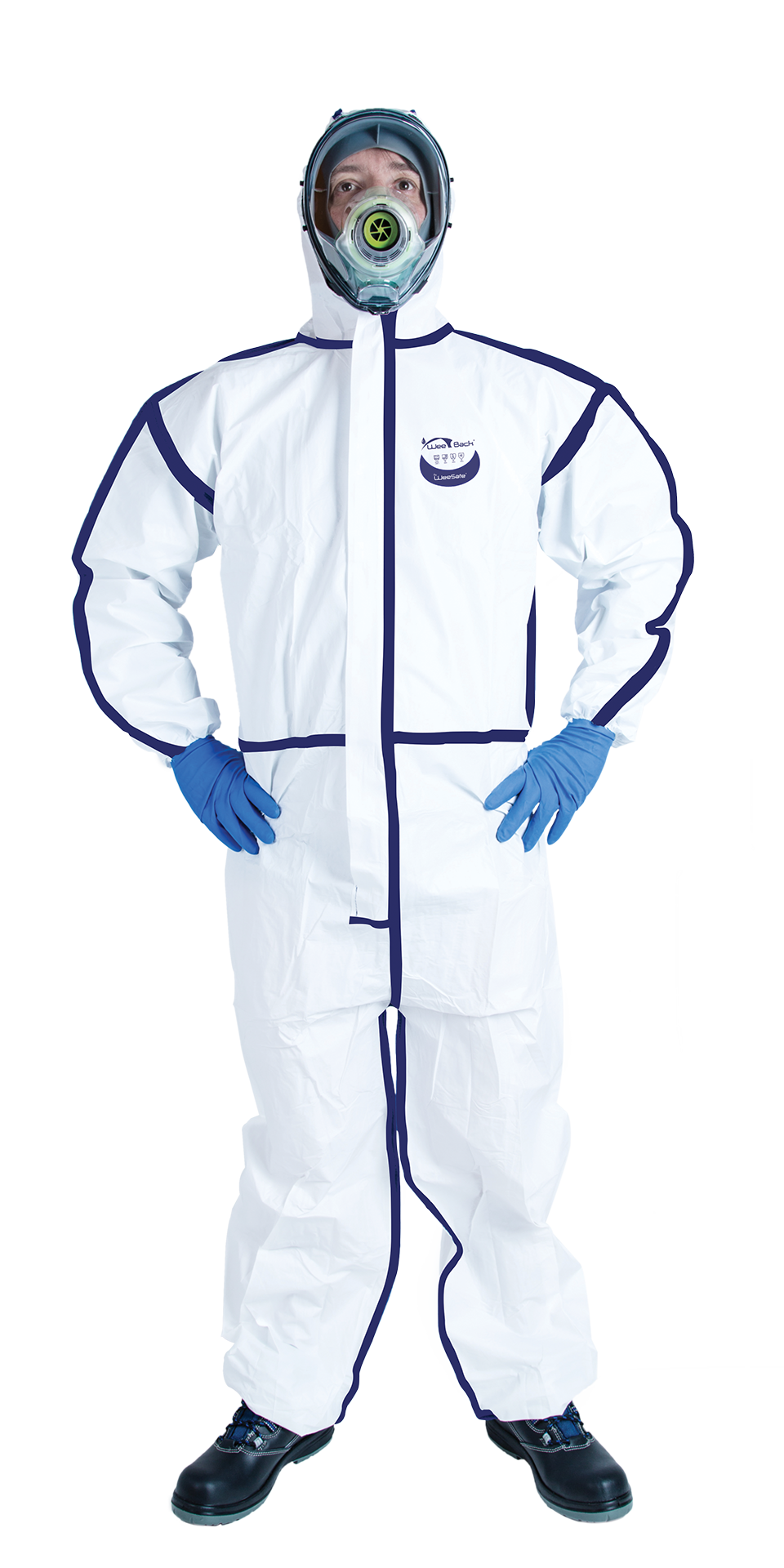
WeeBack
Optimum protection and comfort. The covered seams provide protection against both aerosols (moulding) and dust mist (machining). The ventilated back allows heat trapped inside the garment to escape.
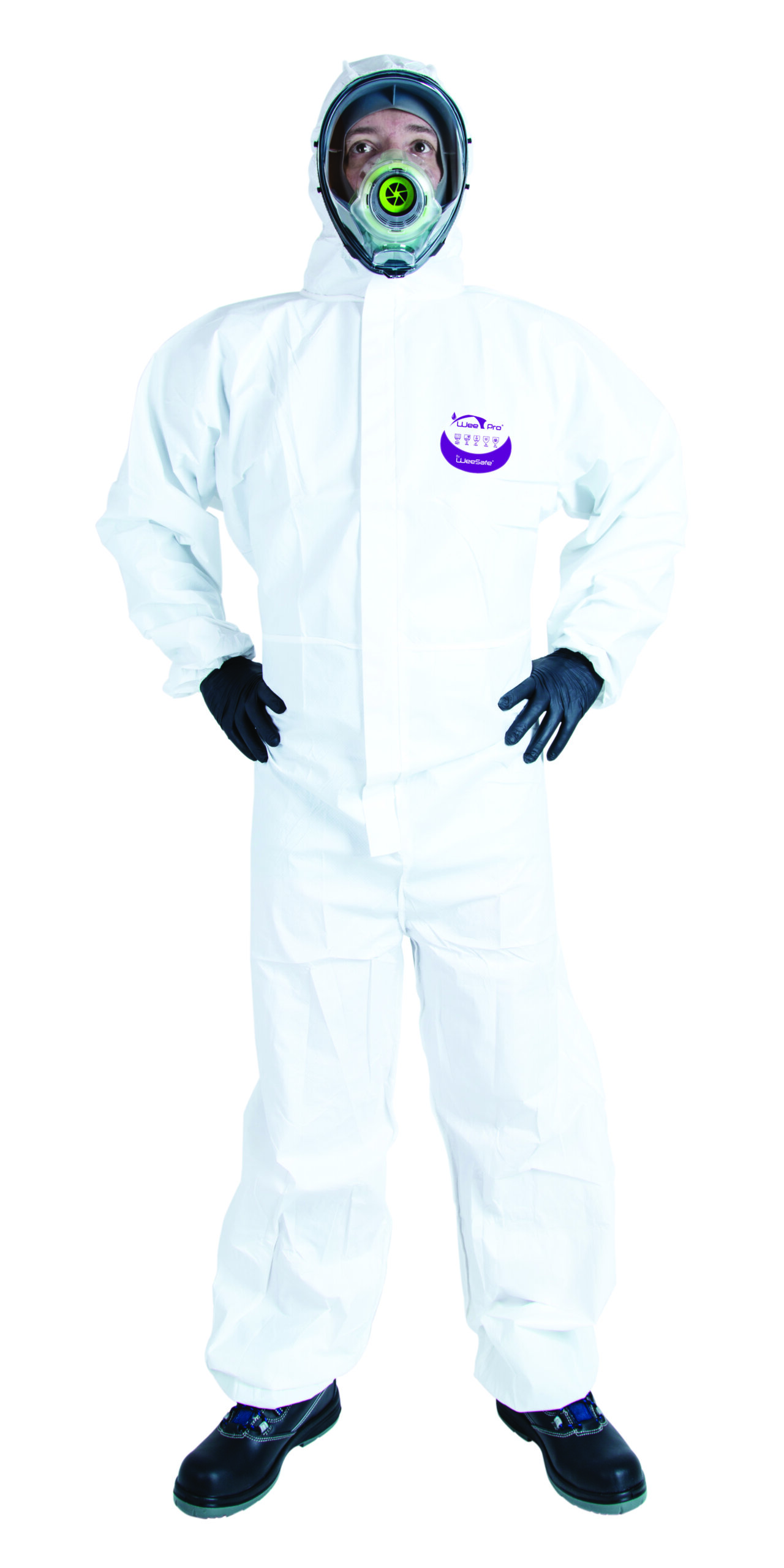
WeePro
Protection during low-pressure spray and roller application. The self-adhesive flap provides full protection for the part of the body most exposed during the moulding stages. Its ergonomic design ensures optimum comfort throughout the layering stages.
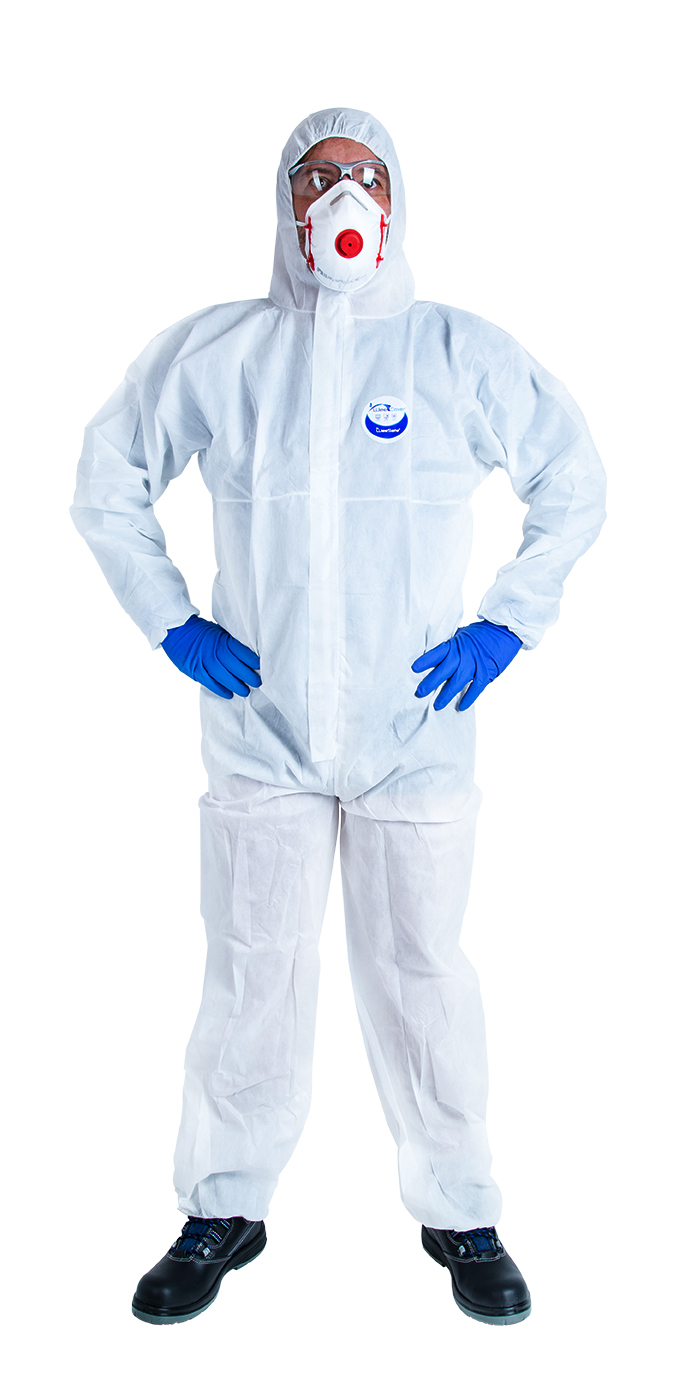
WeeCover
A hooded coverall designed primarily to protect against hazardous dust during sanding. Made from an ultra-breathable fabric for maximum comfort, it features heat-sealed, dust-tight seams to ensure the wearer’s safety.
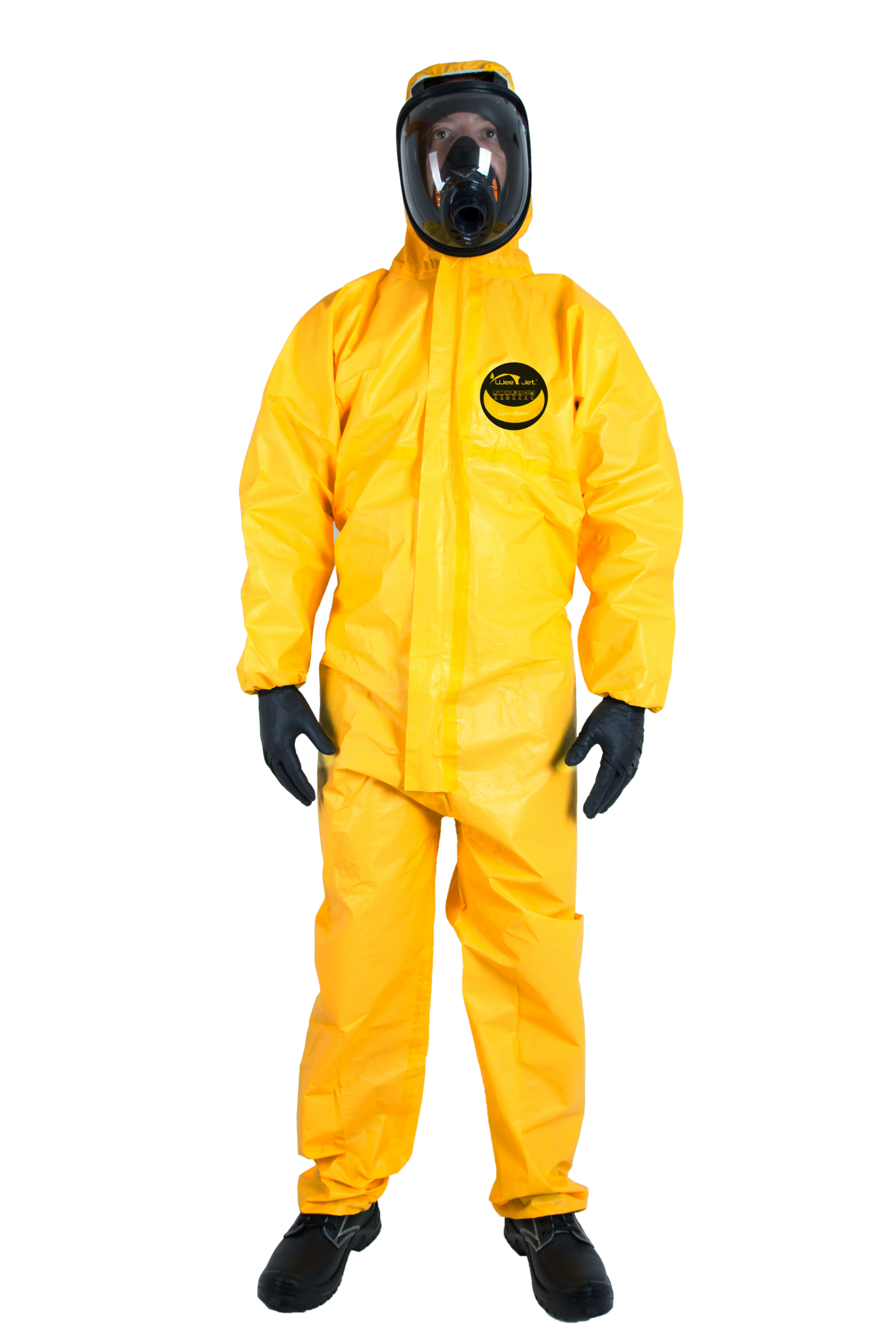
WeeJet
A hooded coverall that is impervious to heavy liquid splashes. Its waterproof outer layer protects against certain highly concentrated chemicals. This garment offers ideal protection for stripping work using high-pressure washers.
What risks do workers face at a shipyard?
Shipyard workers face numerous risks associated with handling chemicals and carrying out mechanical operations. These activities expose them to toxic fumes, chemical splashes and fine dust.
Wearing PPE such as waterproof coveralls, respirators, heavy-duty gloves and safety goggles is essential to protect their health and ensure their safety on a day-to-day basis.
Boat maintenance
| Sanding | Chemical stripping | Air blasting |
|---|---|---|
| Particles of wood, plastic or fibreglass dust can cause skin, eye or respiratory irritation. When inhaled, these fine particles pose long-term risks to the respiratory tract. | The use of stripping solvents (such as methylene chloride) or alkaline and acidic substances (caustic soda, hydrochloric acid, sulphuric acid), similar to those used in the paint industry, can cause severe chemical burns and respiratory irritation in the event of vapours or splashes. | Solid residues (rust, paint, glue, varnish) produced during this operation may cause mechanical injuries or prolonged exposure to toxic substances. |
| Maintenance and cleaning operations | Hull treatments | Antifouling |
|---|---|---|
| The detergents, disinfectants and other cleaning products used may come into contact with the skin, which could cause irritation or allergic reactions. | Organic resins and solvents (styrene, methyl methacrylate) are highly toxic and give off hazardous vapours. These substances can cause neurological or respiratory problems. | The biocides contained in these products pose a risk of acute toxicity to operators in the event of direct contact or inhalation, just as is the case in sectors such as the oil industry. |
Boat building
| Machining and sanding of materials | Spray moulding | Air blasting |
|---|---|---|
| Dust from wood, plastic, lead and fibreglass released during these operations can cause irritation to the respiratory tract, skin or eyes. In the long term, inhaling these particles increases the risk of chronic respiratory diseases | Resins applied at low or medium pressure give off styrene vapours, a compound that is toxic to the central nervous system and can also cause headaches and respiratory tract irritation | The use of solvent-based paints releases aerosols containing hazardous volatile organic compounds (VOCs), which can be inhaled or come into contact with the skin |
| Hand moulding | Preparation of mixtures | Cleaning tools |
|---|---|---|
| The direct application of resins leads to increased exposure to styrene, both in liquid form and as vapours, which requires specific protective measures to minimise direct contact and inhalation | Handling resins, catalysts and cobalt salts carries a risk of corrosive chemical splashes, which may cause burns or irritation | The use of solvents such as acetone exposes operators to risks of skin contact and inhalation, leading to irritation or poisoning if ventilation is inadequate. |
These activities require compliance with strict standards, such as EN 14605 for protective clothing against liquid splashes and EN 374 for chemical-resistant gloves.
What PPE is suitable for working on a shipyard?
Masks & breathing apparatus
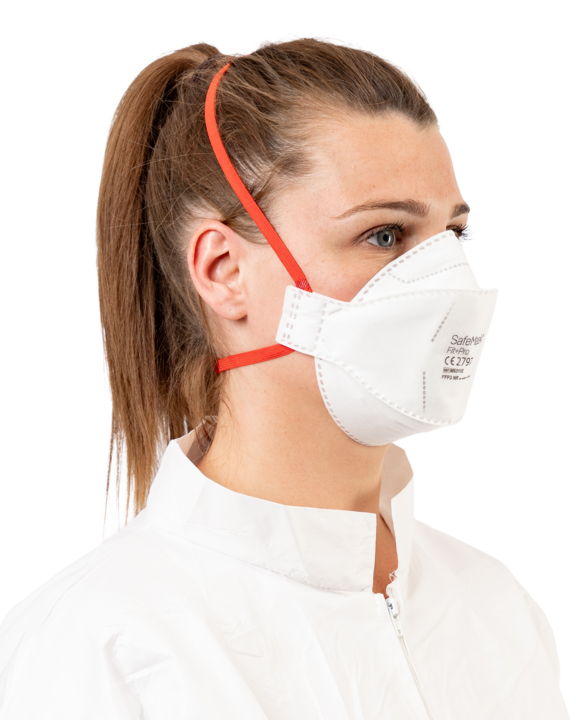
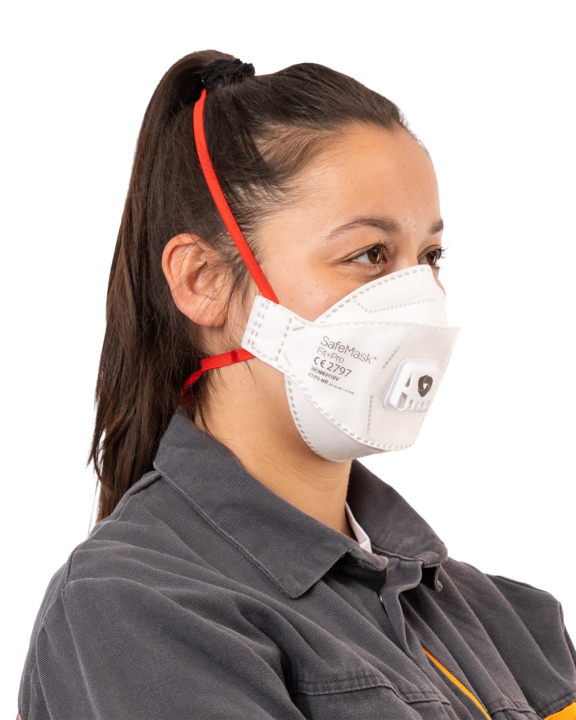
The SafeMask Fit+Pro FFP3 NR mask provides effective respiratory protection against fibres, fine dust and particles generated during insulation work. Comfortable and perfectly fitted, it helps to protect the respiratory tract of professionals working with natural wool, mineral wool or insulating foam.
Gloves
Safety gloves, such as those made of nitrile or butyl, are crucial for protecting workers’ hands from chemical hazards associated with resins, solvents and products used in maintenance and construction. They offer resistance to chemical splashes and protection against irritation or burns, whilst allowing for precise handling of tools and materials.
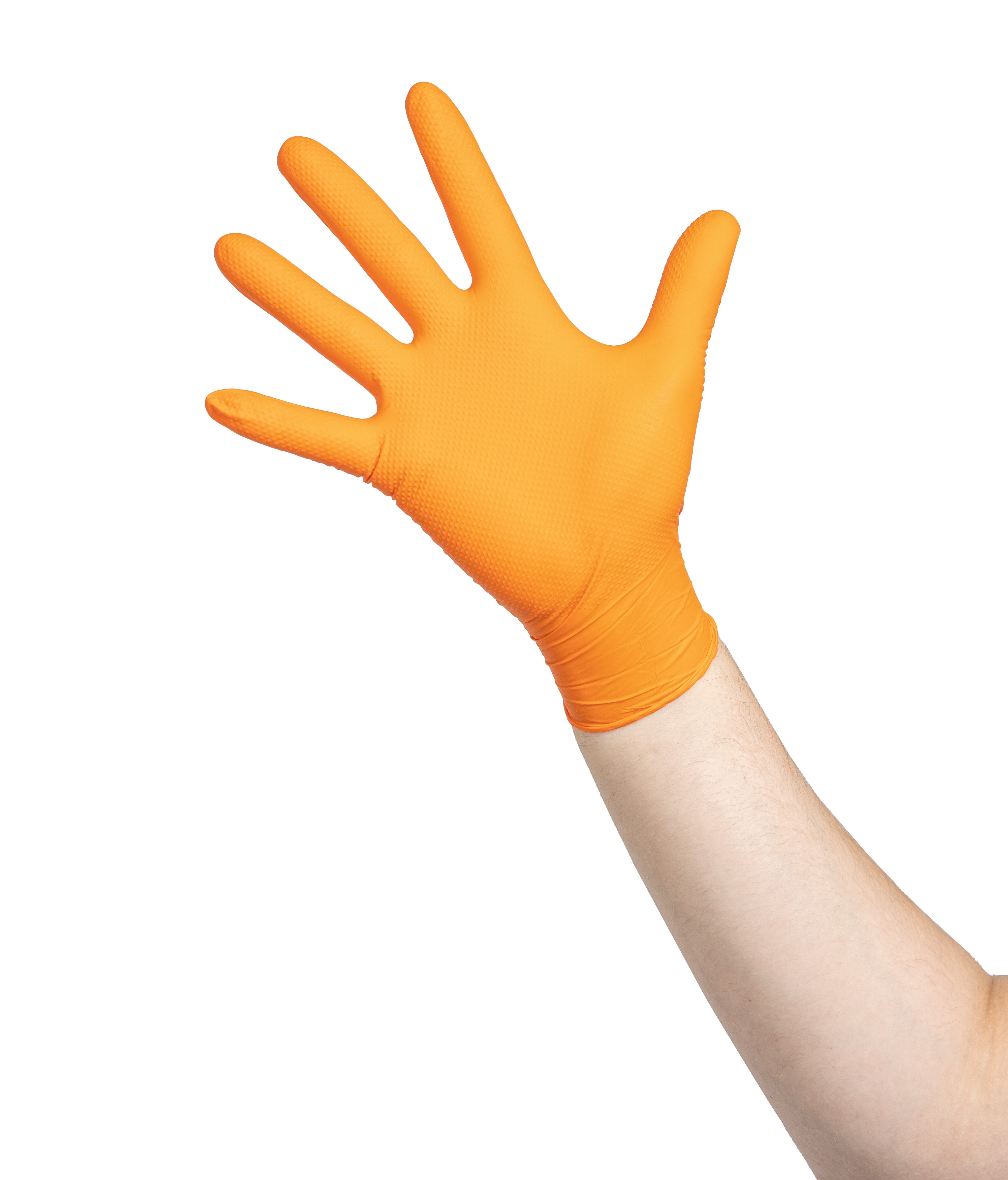
Herkul Grip Extra Strong
Featuring a unique 3D textured surface for enhanced grip, even on oily surfaces, they offer maximum dexterity and exceptional durability. Their high level of chemical resistance (JKPT) and quick-on design make them ideal for the marine industry.
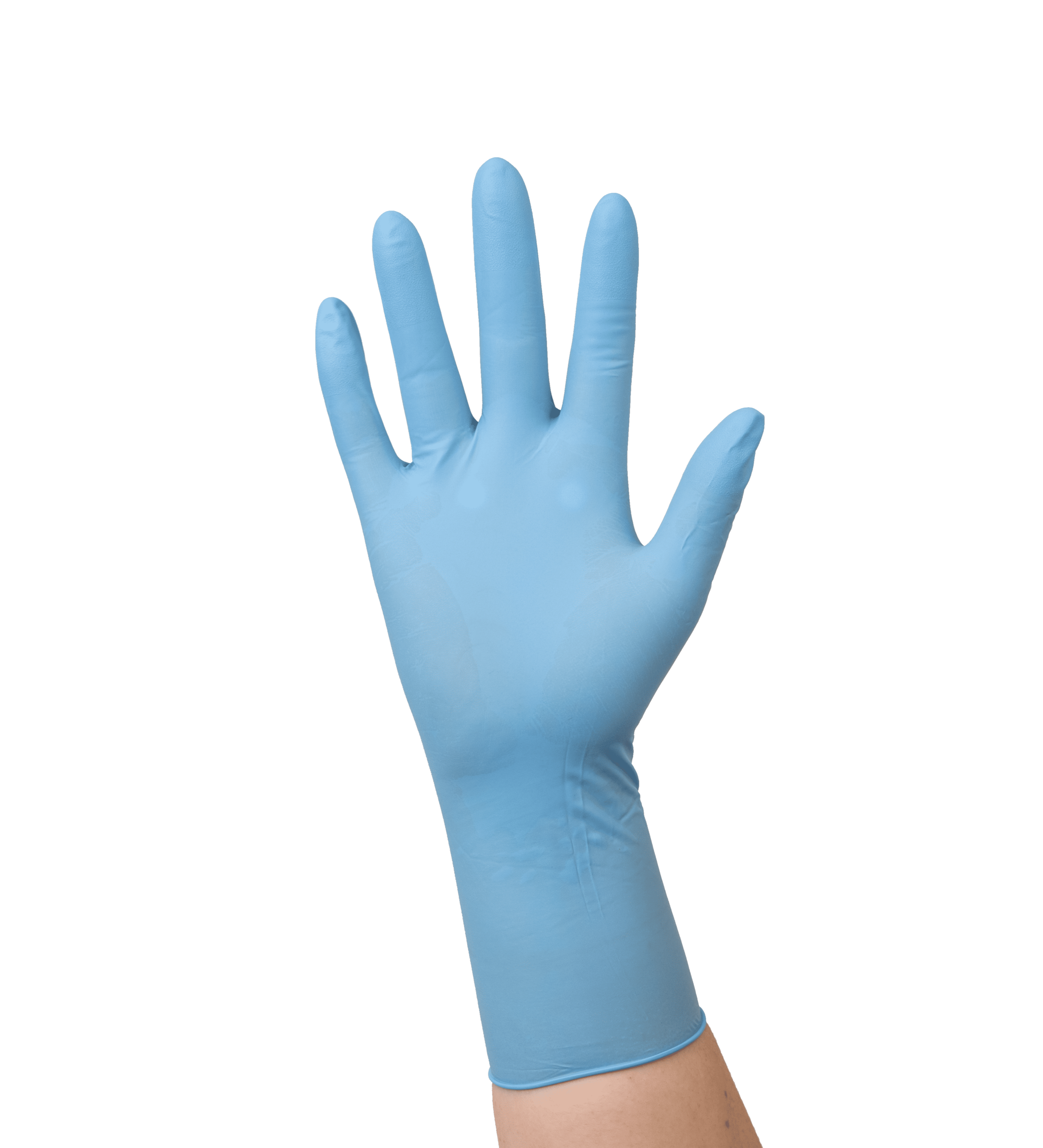
Kolmi Coverfeel Care Long
Without a thumb loop, they offer optimum comfort with excellent elasticity and good dexterity to make handling objects easier. Their non-slip texture ensures an excellent grip. The long cuff provides enhanced protection and their robust construction ensures increased durability. Ideal for industrial environments.
Made in France
Safetouch Long
They offer optimum comfort and excellent dexterity, with a 290 mm long cuff for enhanced protection of the forearms. Thanks to their textured fingertips, they provide a perfect grip in both wet and dry conditions. Their robust construction ensures excellent durability.
Shoe covers and boot covers
Chemical-resistant shoe covers and boot covers protect the feet against splashes of paint, solvents and other substances. They also protect against the risk of slipping and exposure to corrosive substances, whilst offering protection against damp and harsh working conditions.
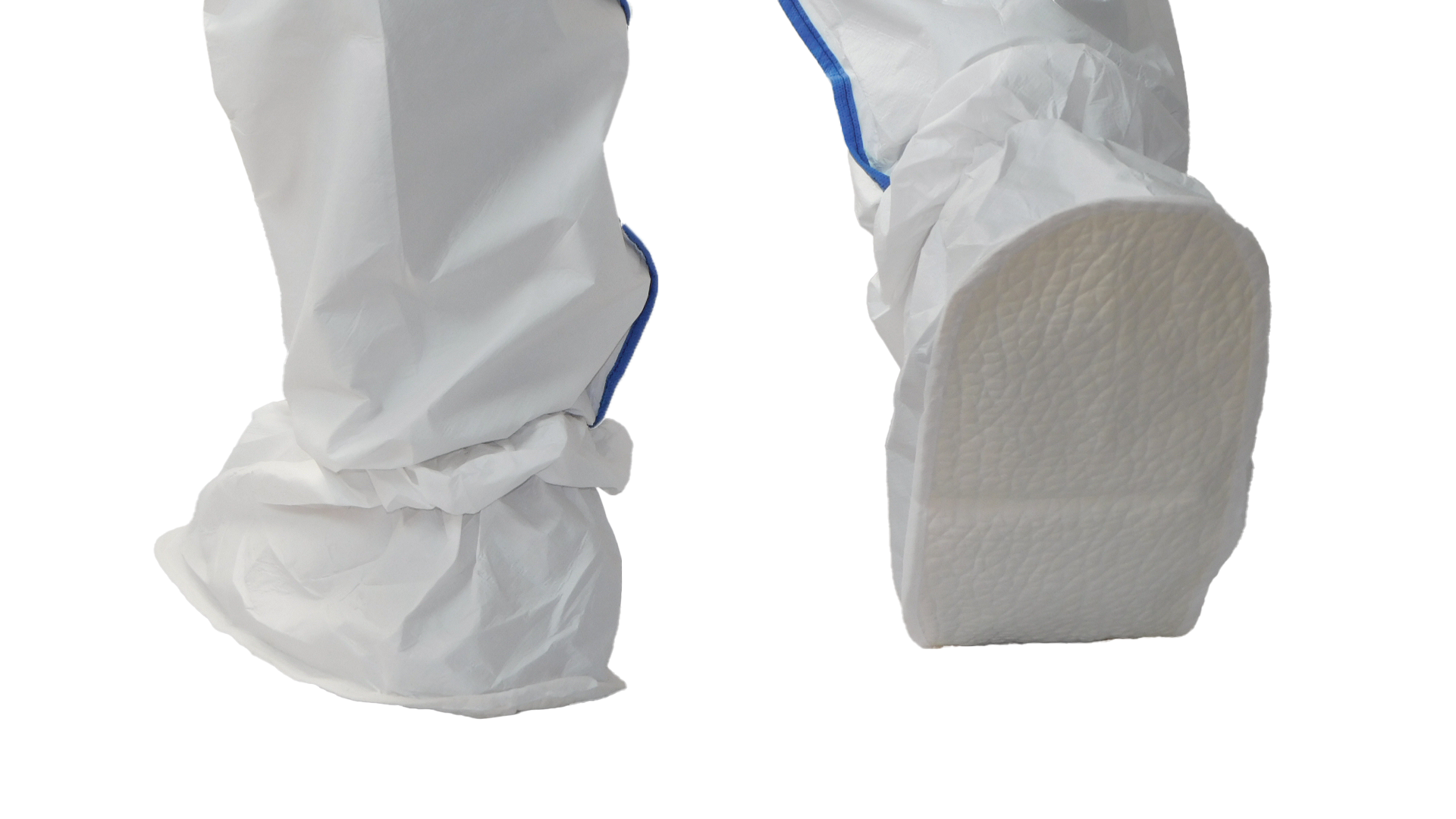
WeePro overshoes with soles
Ideal for critical environments in the marine industry. Their low-lint fabric prevents any contamination, whilst their thick PVC sole ensures excellent grip on both dry and wet floors. The elasticated ankle strap keeps the overshoes securely in place, offering ideal protection against splashes of low-concentration chemicals, solvents, adhesives, powders or fibreglass.
Made in France.
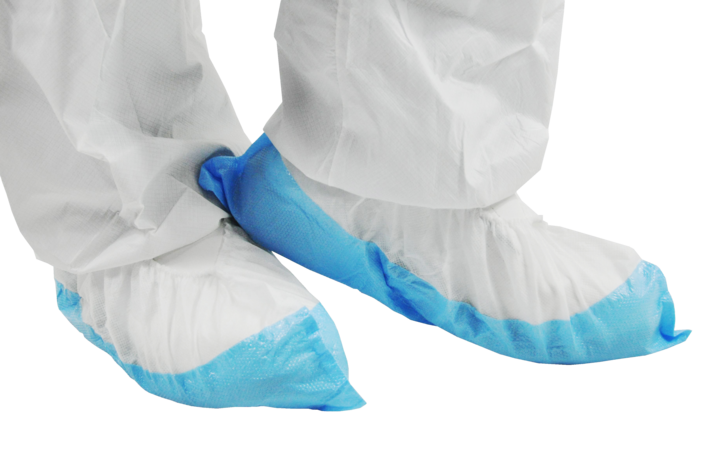
Recycled overshoes with soles – Size XL
Our recycled overshoes with soles combine durability and performance. Made from 90 per cent recycled material for the upper and over 50 per cent recycled material for the PE sole, they guarantee good mechanical strength and good grip on the ground. Their anatomically shaped design means they fit all types of footwear, making them practical and comfortable, even for prolonged use in wet or challenging conditions.
Made in France.
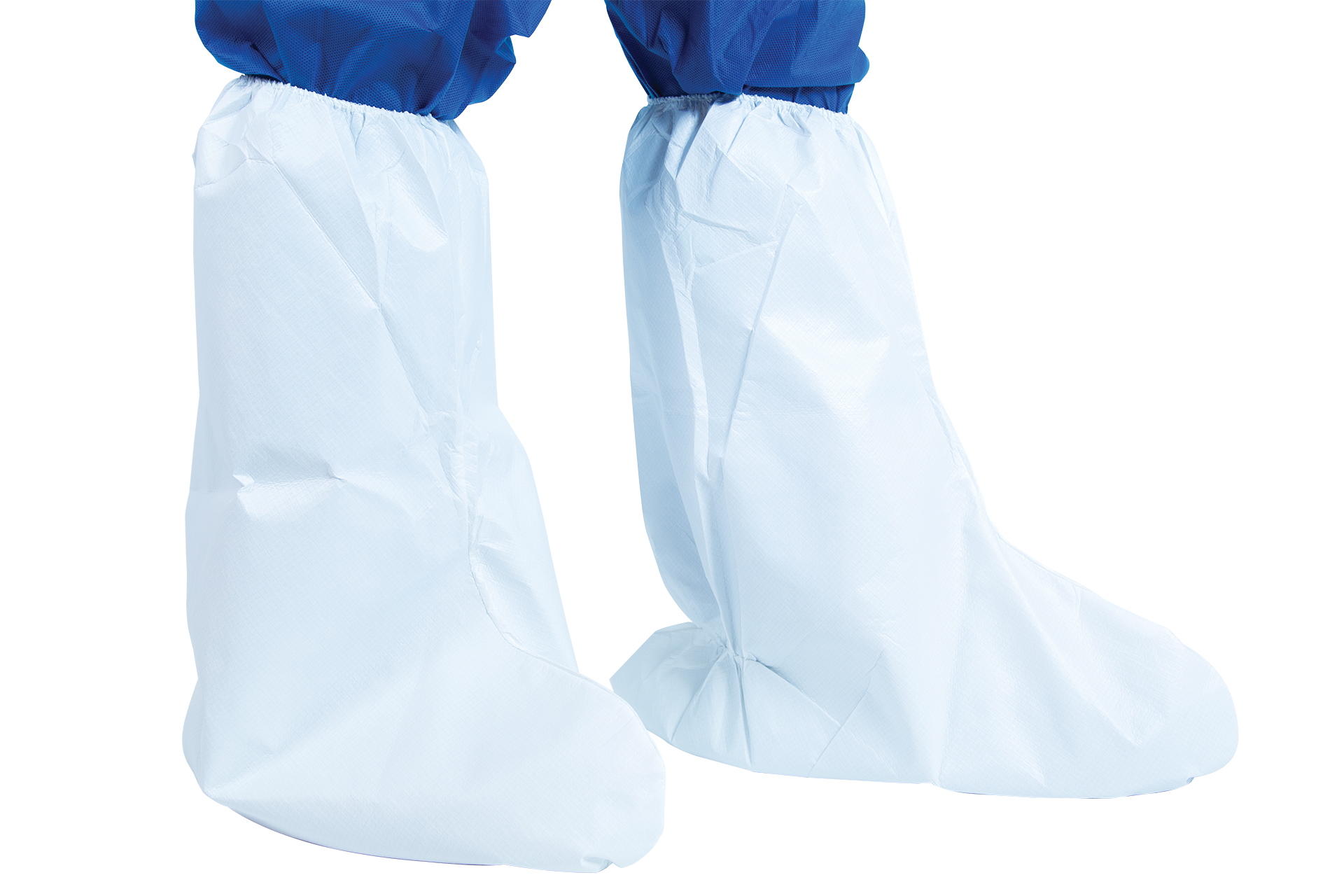
WeePro overshoes
They offer extended protection down to the knee thanks to their 50 cm height. Their low-pilling fabric minimises contamination, whilst their non-slip PVC sole provides enhanced safety on wet floors. The elasticated band below the knee and the drawstring at the calf ensure a secure fit. Their antistatic treatment is an added benefit for environments with electrostatic and chemical hazards.
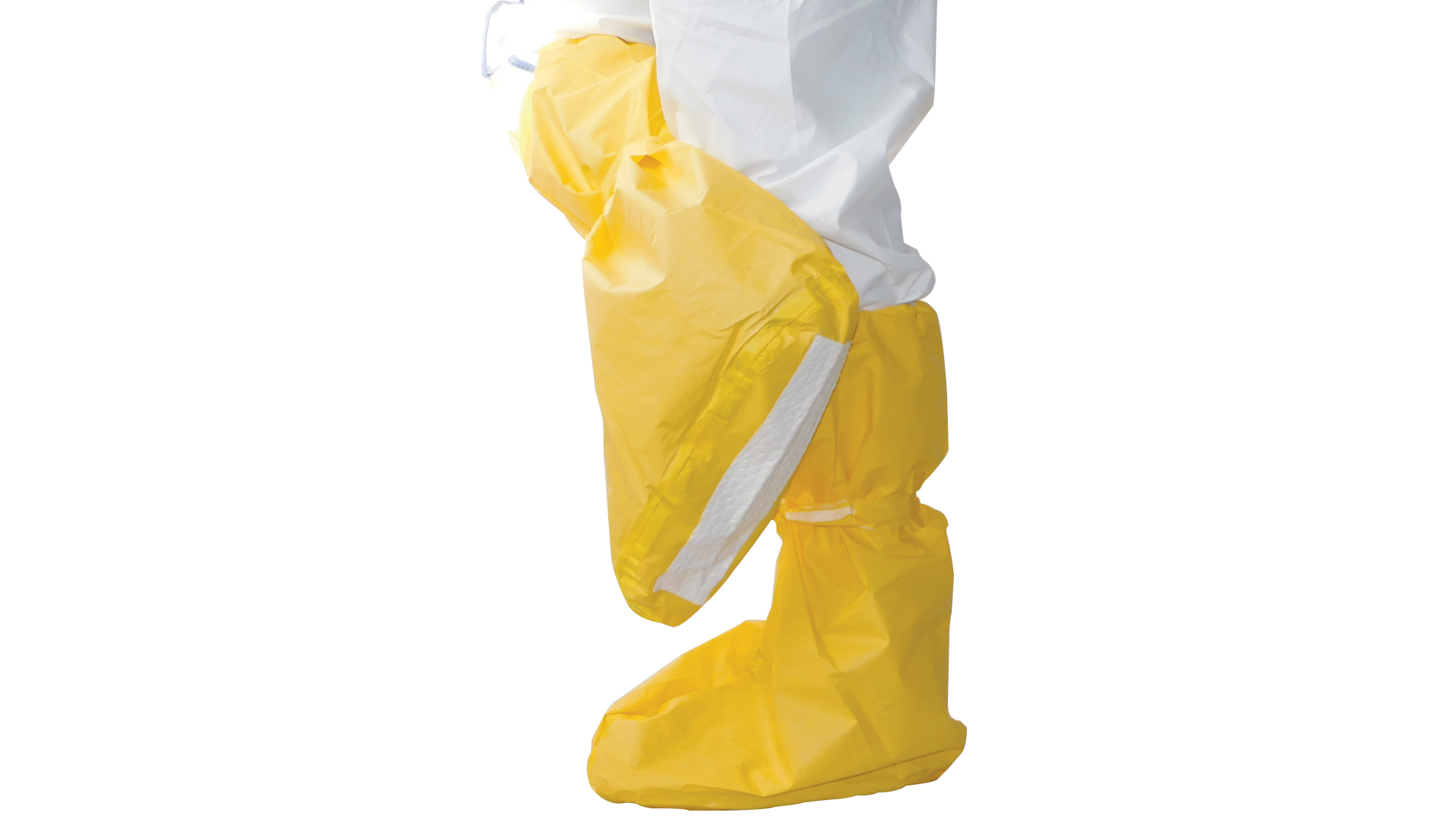
WeeJet overshoes
Ideal for the most demanding marine environments. Thanks to their HDPE coating and heat-sealed seams, they offer a high level of protection against concentrated chemicals, biological hazards, acids, petroleum products and waste water. Their anti-static treatment, 50 cm height and fastening system ensure optimal coverage of exposed areas.
Safety goggles
Safety goggles or face shields are essential for protecting the eyes from splashes of chemicals, fine dust and particles. They are particularly useful when sanding, spray-painting or applying resins. Anti-fog models ensure optimum visibility, even in hot and humid environments.