


PPE for the oil industry
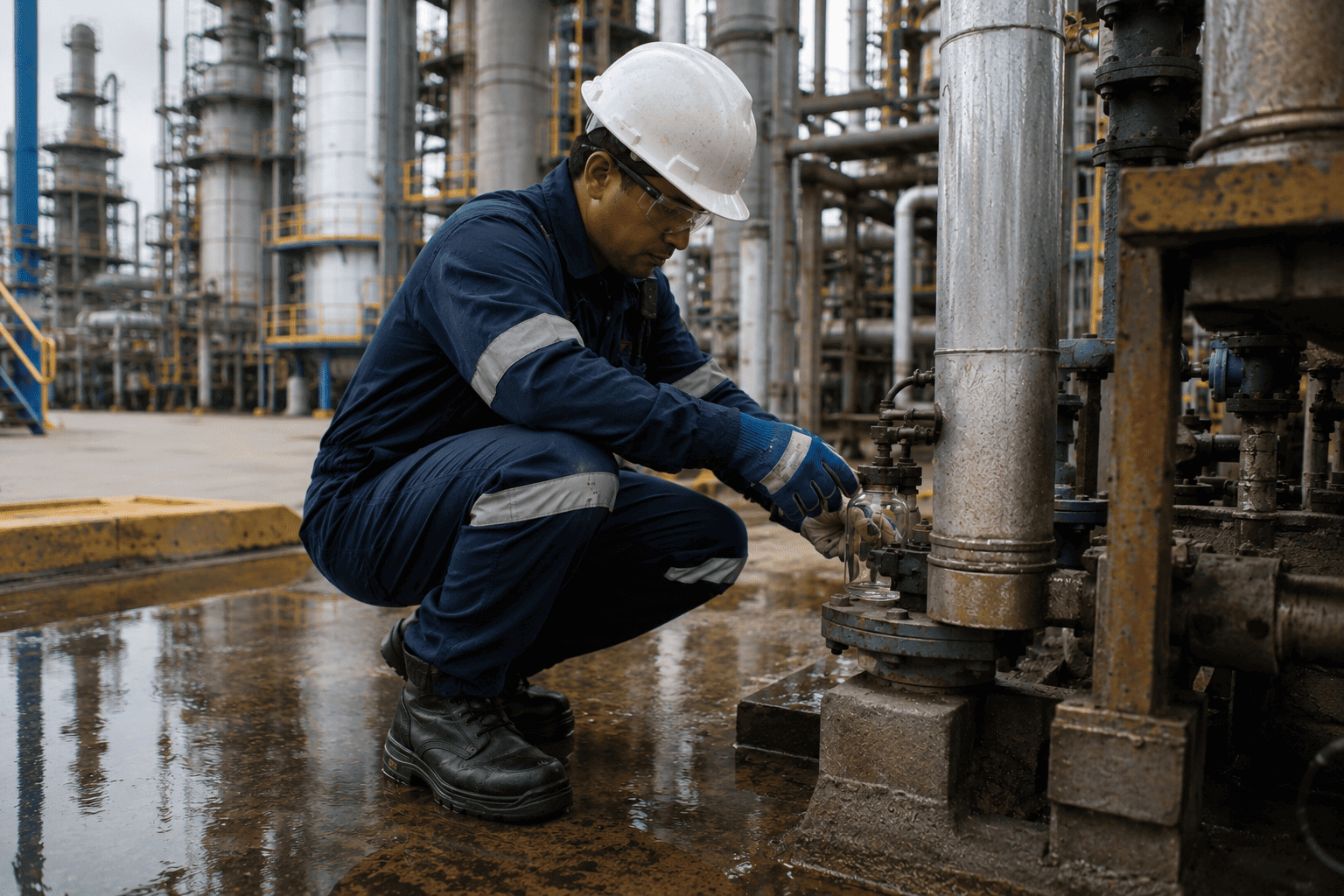
The petrochemical industry poses numerous hazards to workers, including exposure to harmful chemicals. Faced with an environment that can sometimes be hostile and various risks of splashes (liquids, dust, aerosols), the wearer of a coverall must assess the chemical risk involved. Personal protective equipment (PPE) therefore plays a crucial role in ensuring the safety of workers handling oil.
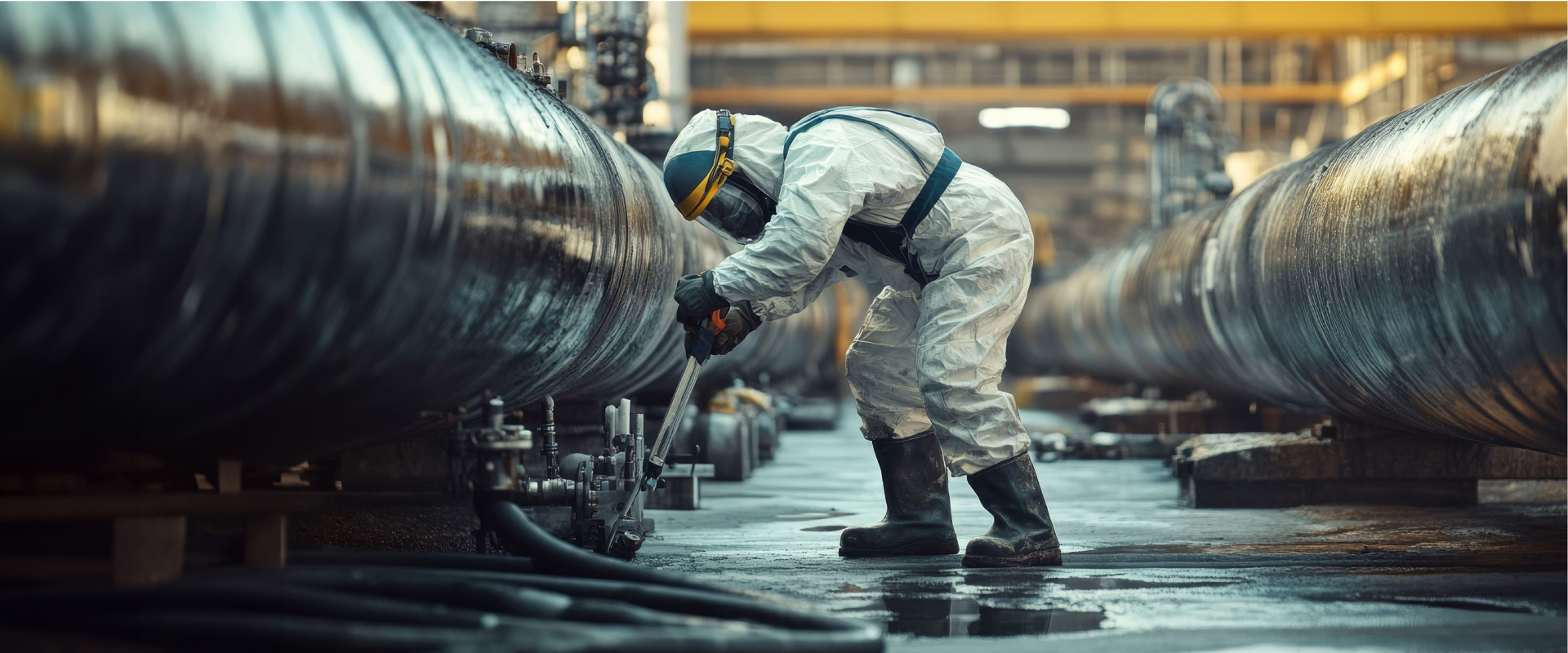
How to choose your PPE in the oil industry
The coverall must ensure freedom of movement and optimum comfort to reduce physical strain and stress. The working environment involved in various oil and gas operations also presents explosion risks to which operators may be exposed. The WeePro, WeePro Max Plus and WeeJet chemical-protective coveralls are coated with an antistatic treatment on both sides of the garment, thus providing additional protection in high-risk environments such as shipyards, for example.
What are the risks involved in the oil industry?
| Hydrocarbon projections | Aerosol emissions | Hazardous dust | Splashes of oil and grease |
|---|---|---|---|
| Hydrocarbon splashes expose workers to the risk of skin contamination and contact with hazardous liquids, which may cause irritation, burns or skin conditions. To protect against this, it is recommended to use Type 3 or Type 4 short-term protective coveralls (liquid-tight or splash-resistant), combined with suitable protective gloves (e.g. nitrile gloves compliant with EN 374) to provide an effective barrier against chemicals. In high-risk environments, this equipment may be supplemented by antistatic solutions compliant with standard EN 1149-5, in order to minimise the risks associated with flammable atmospheres. | Aerosols, which are often present during certain processes, can enter the respiratory tract and cause irritation or respiratory problems. To protect against them, it is recommended to use at least an FFP2 mask complying with standard EN 149, which ensures effective filtration of airborne particles. In addition, Type 5/6 short-term protective coveralls (EN ISO 13982-1 / EN 13034) may be used to minimise contamination of clothing and skin during exposure to aerosols. | Hazardous dust, when inhaled whilst handling materials, can cause lung diseases. To protect against this, it is recommended to use at least an FFP2 mask compliant with standard EN 149, or even an FFP3 mask in the event of high exposure, to ensure effective filtration of fine particles. In addition, Type 5 short-term protective coveralls complying with the EN ISO 13982-1 standard help to limit contamination of clothing and skin by dust. | Splashes of oil and grease, which are common during maintenance or repair work, can irritate the skin and lead to skin contamination. To protect against this, it is recommended to use Type 4 protective coveralls compliant with standard EN 14605, which provide an effective barrier against liquid splashes, together with suitable protective gloves (e.g. nitrile gloves compliant with EN 374) for complete hand protection. |
Key PPE items in the oil industry
In the oil industry, personal protective equipment (PPE) is essential for protecting workers from the many risks associated with chemicals, dust and explosive environments. Risk assessment is a key step in selecting the most suitable PPE for each workstation.
Among these, protective suits stand out for their ability to provide full-body protection against a wide range of hazards, and must be selected according to the risks associated with hydrocarbon splashes.
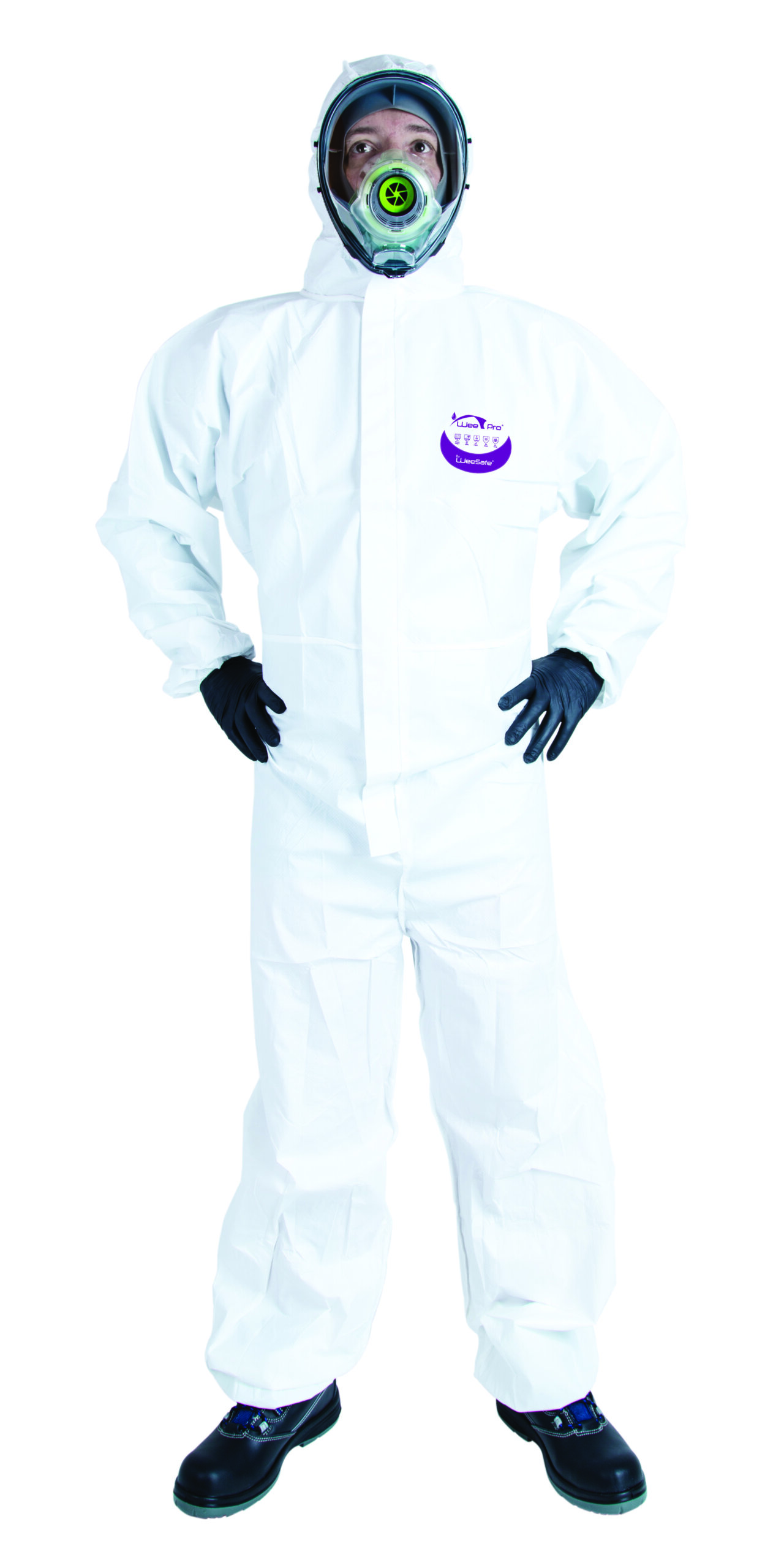
WeePro
Protection against low-density splashes and biologically contaminated dust. Features an antistatic treatment on both sides of the garment. It can be worn during production, packaging and maintenance tasks. Complies with standards for protection against radioactive particles.
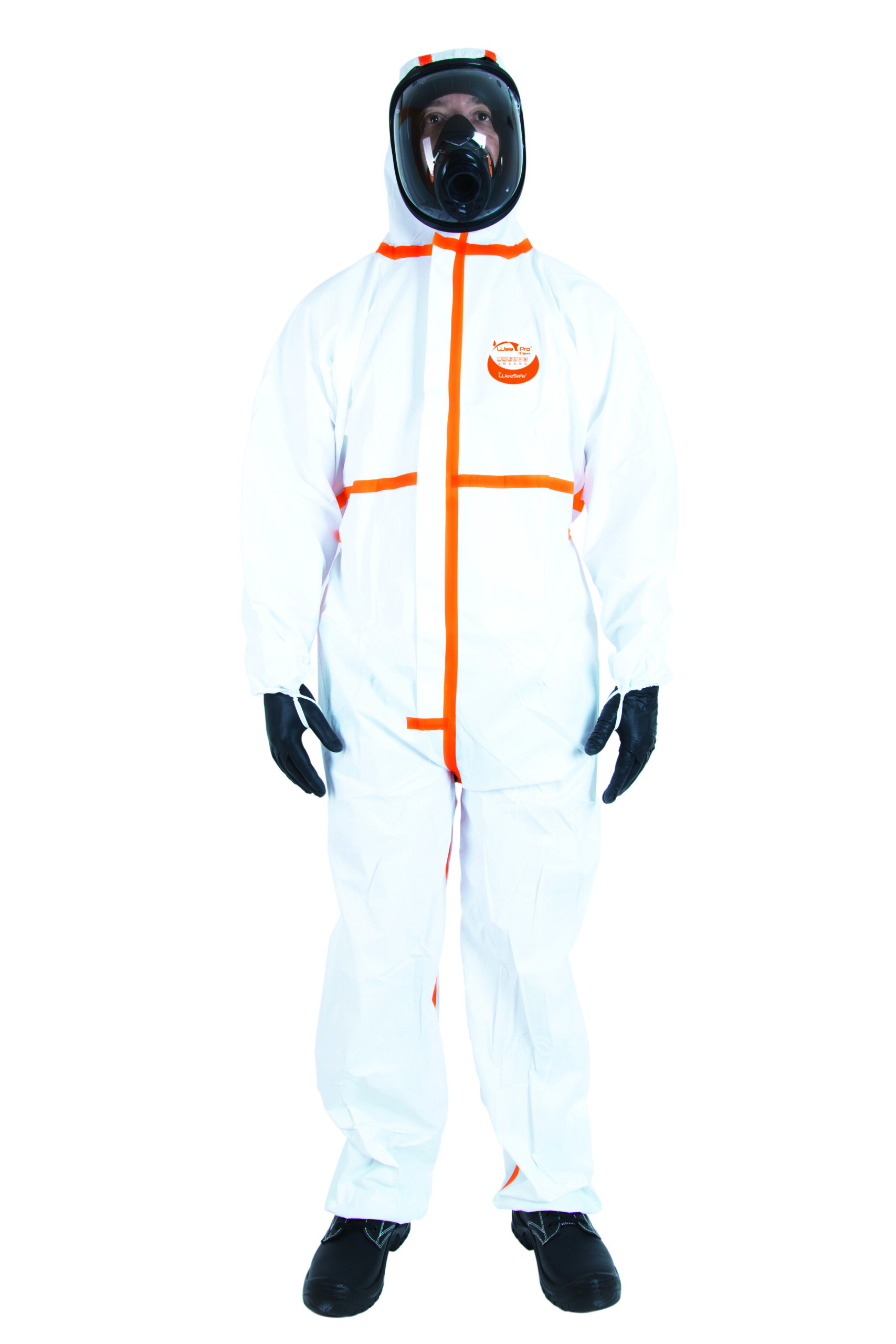
WeePro Max+
Protection against aerosol sprays and low-concentration chemicals. Its sealed seams and anti-static treatment on both sides make it suitable for maintenance work at oil sites. It also complies with standards for protection against biological hazards.
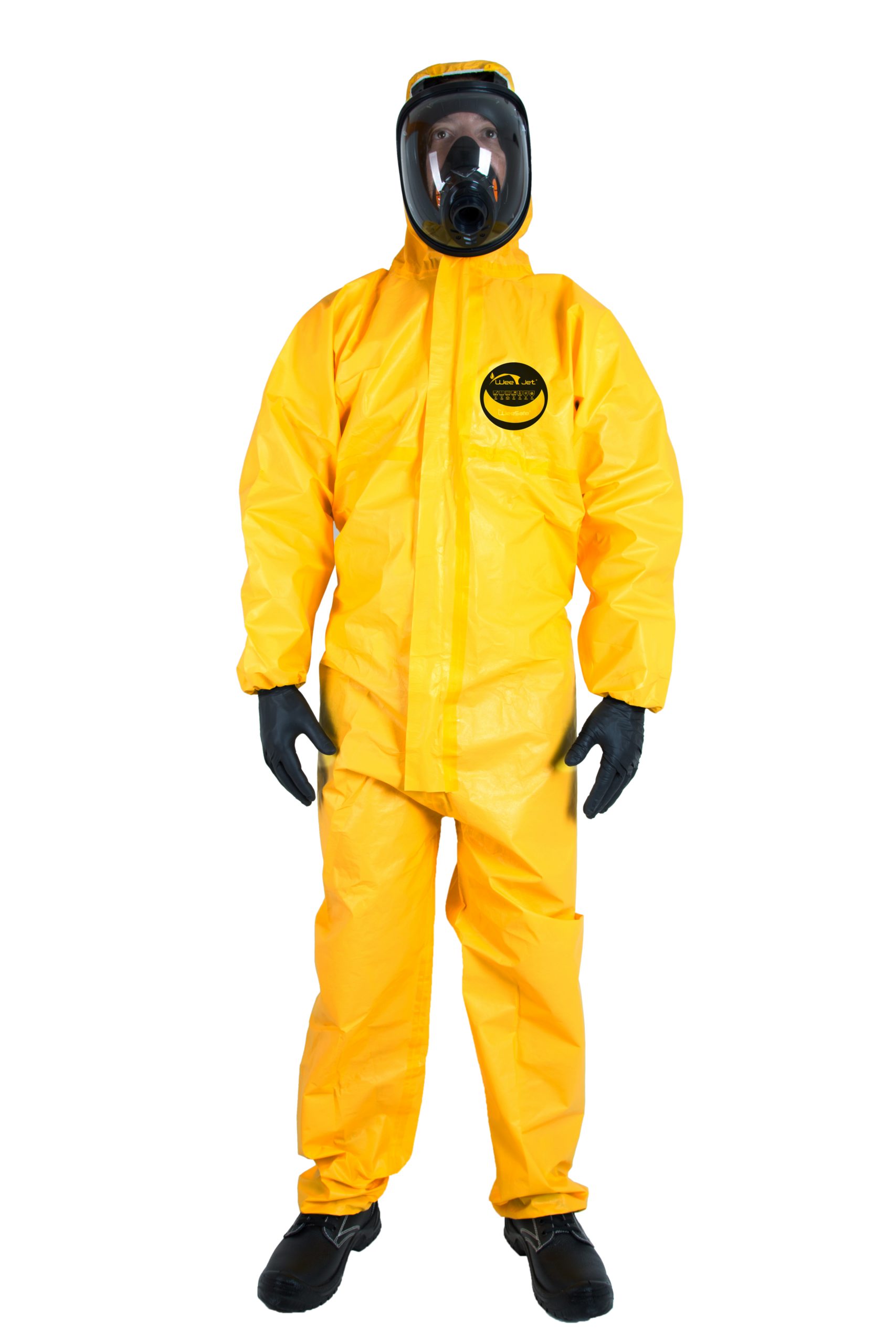
WeeJet
Optimal protection against splashes of concentrated chemicals under pressure. Its high-density outer layer ensures excellent abrasion resistance (6/6 according to standard EN 530) and high tear resistance (3/6 according to standard ISO 9073-4).
What are the other most common types of PPE in the oil industry?
Each item of PPE plays a complementary role in ensuring the safety of operators in environments as demanding as those in the oil industry.
Gloves
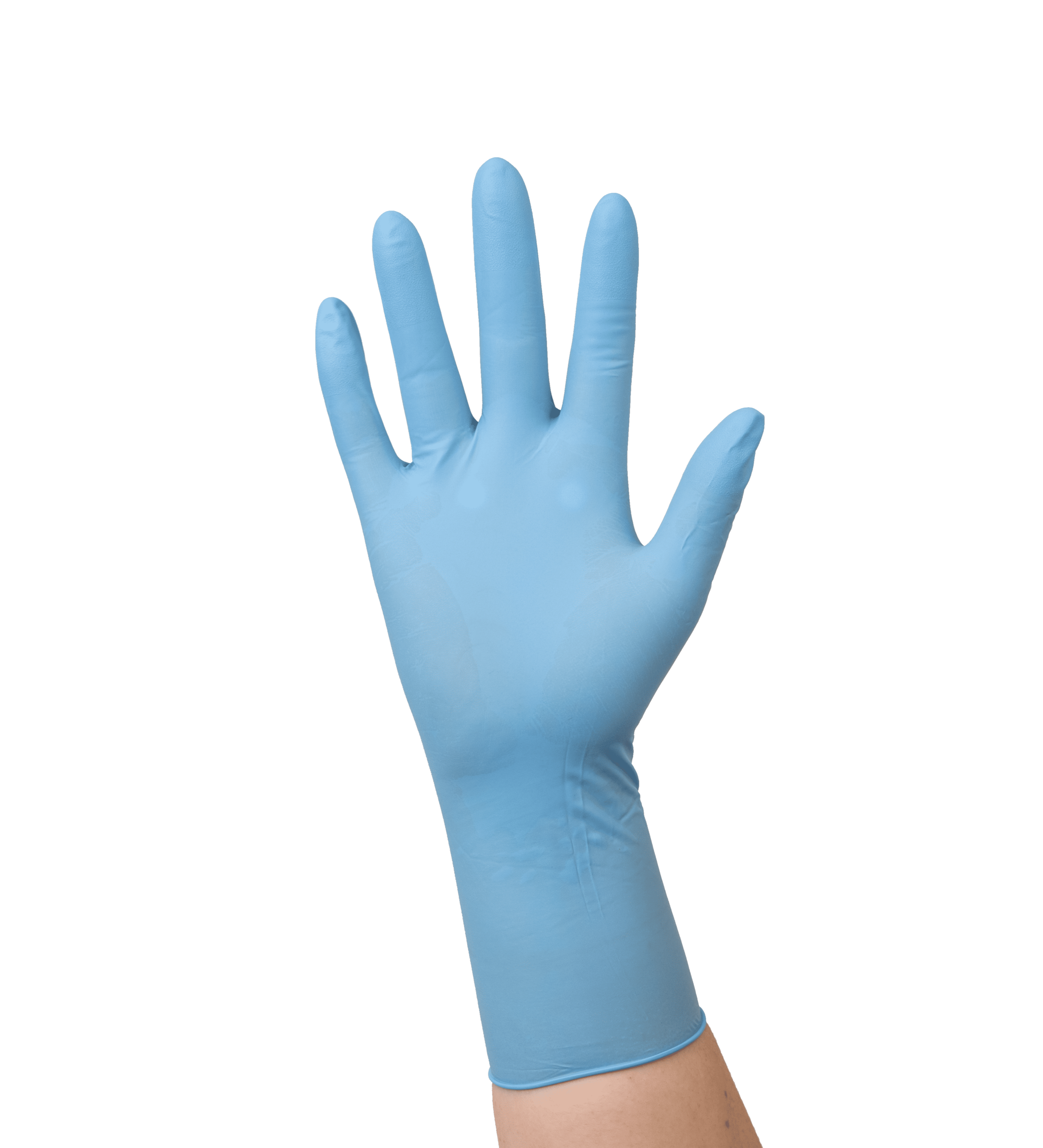
Protective gloves are essential when handling chemicals in the oil and gas sector. They protect the hands from chemical burns, irritation caused by hydrocarbons present in oil, and cuts. They must comply with relevant standards to withstand the specific substances handled on site.
Safetouch Long
They offer comfort and dexterity, with a 290 mm long cuff for enhanced protection of the forearms. Thanks to their textured fingertips, they provide excellent grip in both wet and dry conditions. Their robust construction ensures excellent durability. Ideal for use in chemical environments.

Safetouch Heavy
They offer optimum comfort and excellent dexterity, with textured fingers for a perfect grip in both wet and dry conditions. Their robust construction ensures enhanced durability, making them an ideal choice for the oil industry.
Respiratory masks
The risks associated with inhaling toxic gases require the use of suitable respiratory protective equipment.
FFP-type filtering masks (EN 149) are
essential for protecting the respiratory tract; they are effective against airborne solid and liquid particles (dust, aerosols), but do not protect against toxic gases or vapours. For these specific risks, it is necessary to use respiratory protective equipment fitted with suitable gas filters or self-contained breathing apparatus. The equipment selected must comply with current standards to ensure optimum protection in industrial environments.
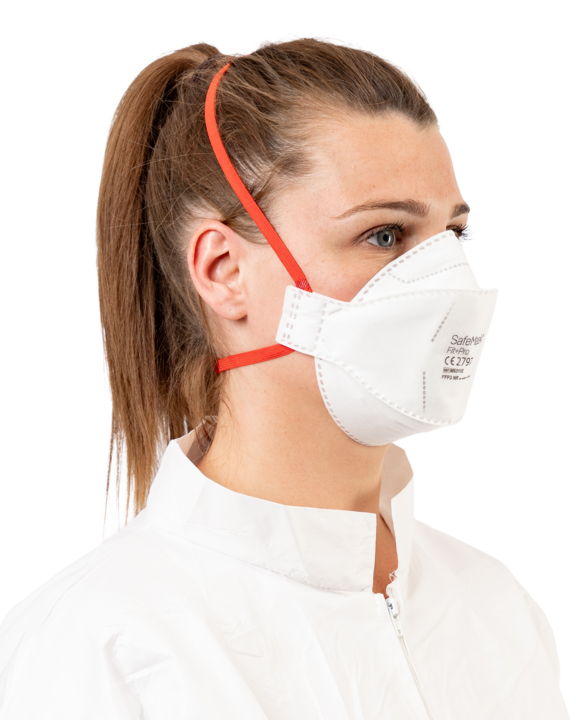
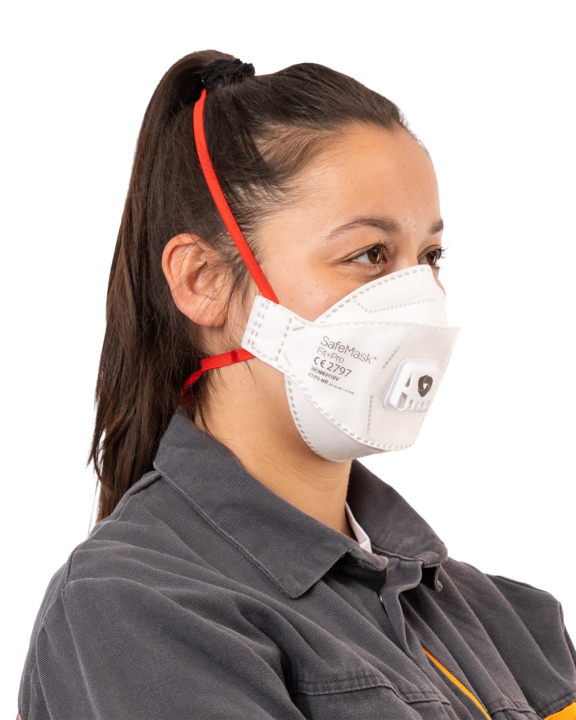
The SafeMask Fit+Pro FFP3 NR mask provides effective respiratory protection against fibres, fine dust and particles generated during insulation work. Comfortable and perfectly fitted, it helps to protect the respiratory tract of professionals working in environments that can sometimes be hostile and where there are various risks of splashes (liquids, dust, aerosols).
Safety footwear
The footwear provides protection against slips caused by oils and hydrocarbons, as well as resistance to crushing and sparks in hazardous areas.
Safety goggles
They protect the eyes from splashes of hydrocarbons, oils or solid particles, thereby preventing irritation or injury.