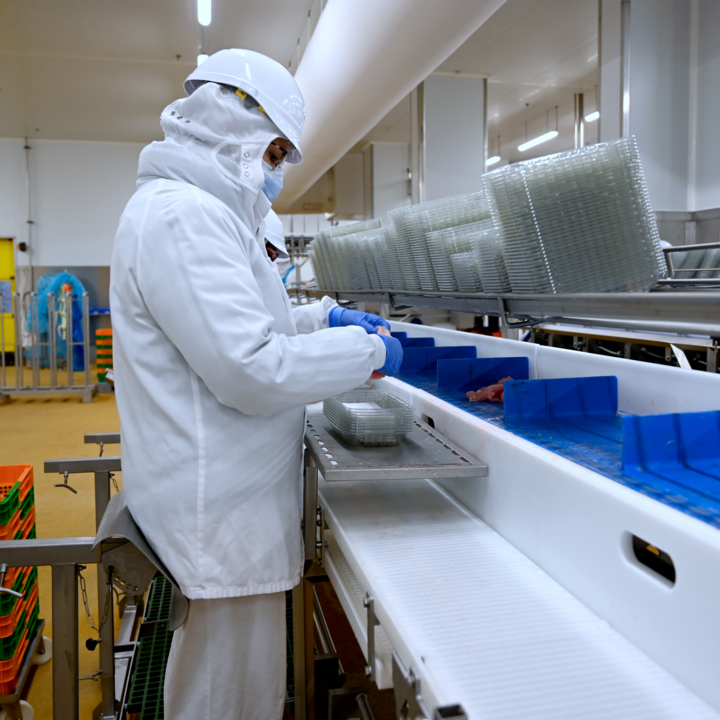
PPE for the food and drink industry
The food and drink industry attaches great importance to the cleaning and disinfection of premises in order to remove dirt and eliminate microbiological and chemical contamination.
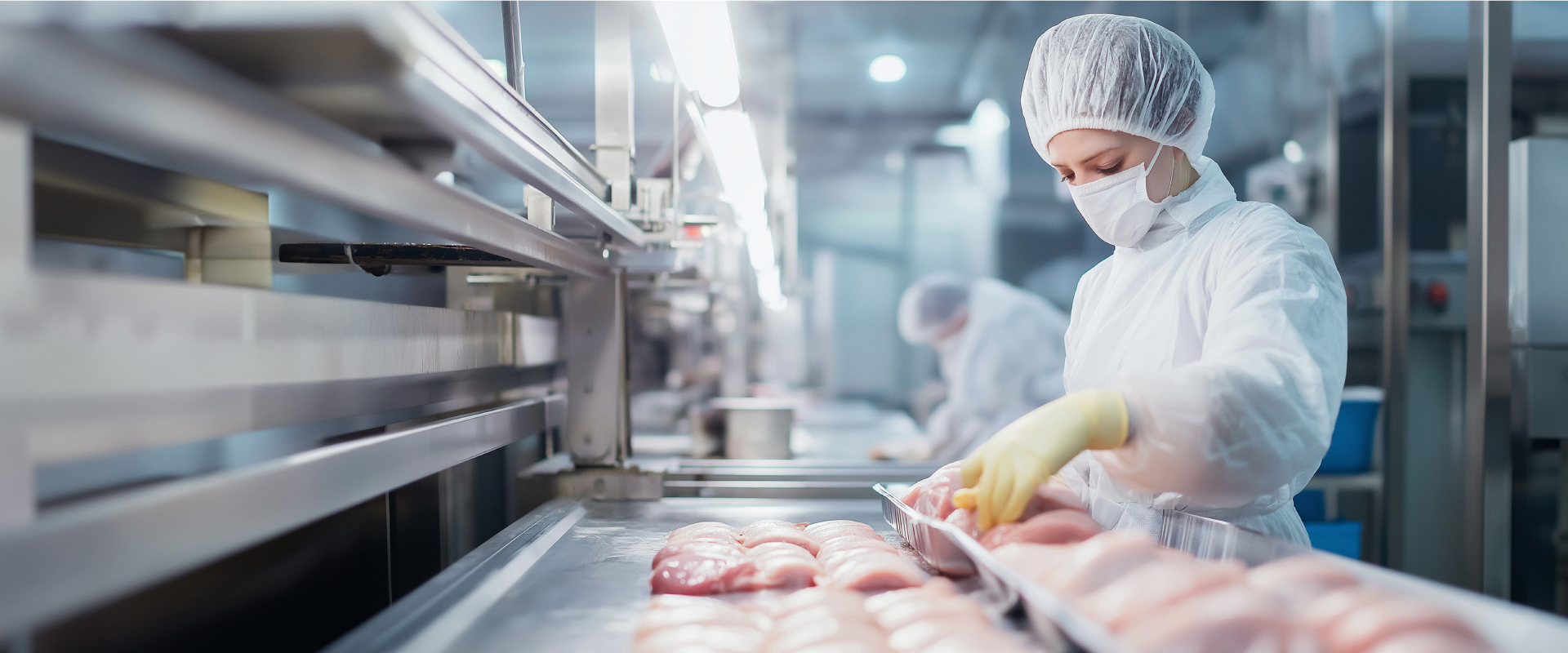
During production, staff must protect themselves from hazards and avoid contaminating the production line. Workwear made of fabric, when damp or soiled, encourages the growth of bacteria and must be changed regularly.
An alternative is to use disposable non-woven garments. Our comprehensive range of coveralls, together with our PPE, provides effective protection against biological and chemical hazards in the food and drink industry.
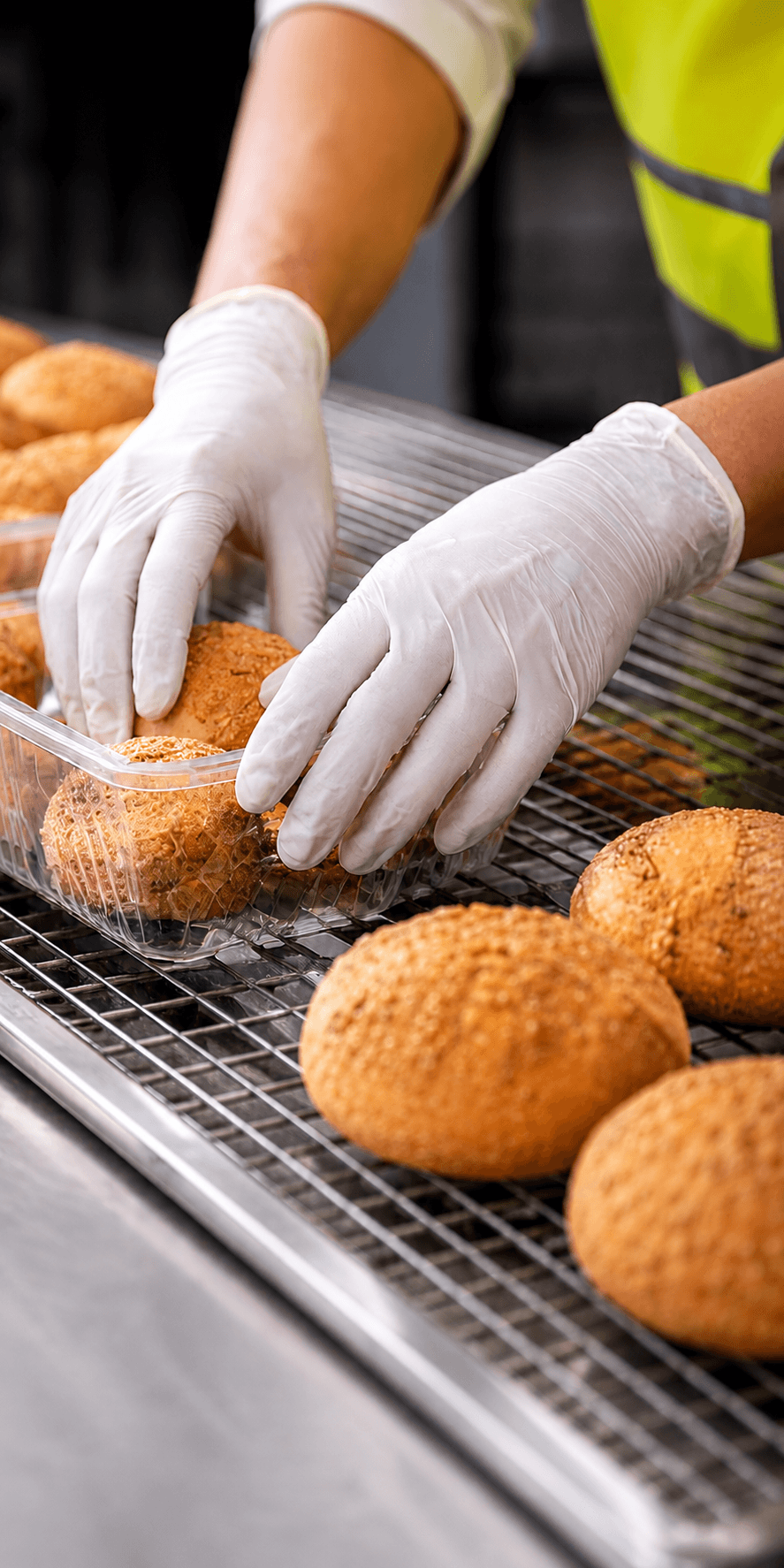
Risks associated with the agri-food industry
Production
This stage relates to blood splatter during cutting, food processing, the handling of foodstuffs, curing, chemical preservation and drying times.
- Risks to individuals: salmonella, which can develop during the slaughter and processing of meat, the handling of dairy products, the processing and drying of fish, and the processing of vegetables grown using organic fertilisers.
- Risks to the production line: parasites carried by the human body.
Packaging
This stage concerns the handling of unpackaged perishable foodstuffs or ingredients. A high level of protection is required, particularly if the food is not to be further processed and if micro-organisms are likely to grow in it.
- Risks to the production line: parasites carried by the human body.
Maintenance
During the maintenance of production equipment, the maintenance worker comes into contact with a great deal of food residue. Checking valves and pipework also carries a high risk of splashes.
- Risks to individuals: there is a significant biological risk due to the possible presence of mould or spores, and splashes of oil or grease.
Cleaning and disinfection
The cleaning phase, particularly when cleaning tanks, exposes staff to splashes of chemicals such as chlorine-based products, as well as to contaminated food residues. Protection must be optimal.
- Risks to individuals: viruses, bacteria, endotoxins, fungi (moulds and yeasts).
- Chemical hazards: splashes of chlorinated alkaline chemicals, caustic soda, nitric acid, peracetic acid, hydrogen peroxide, formaldehyde, alcohols, aldehydes and hypochlorite.
Our PPE designed for the food and drink industry
At Medicom, we are experts in the design, manufacture and marketing of PPE tailored to the specific needs of the most demanding sectors, such as the food and drink industry and the hygiene sector.
Drawing on our expertise and our commitment to meeting the strictest safety and hygiene standards, we supply PPE that complies with regulatory requirements to protect workers and ensure a safe working environment.
Gloves
Specially designed to provide protection against biological hazards (bacteria, viruses) and chemical hazards (cleaning products, preservatives), whilst ensuring a high degree of dexterity and safety.
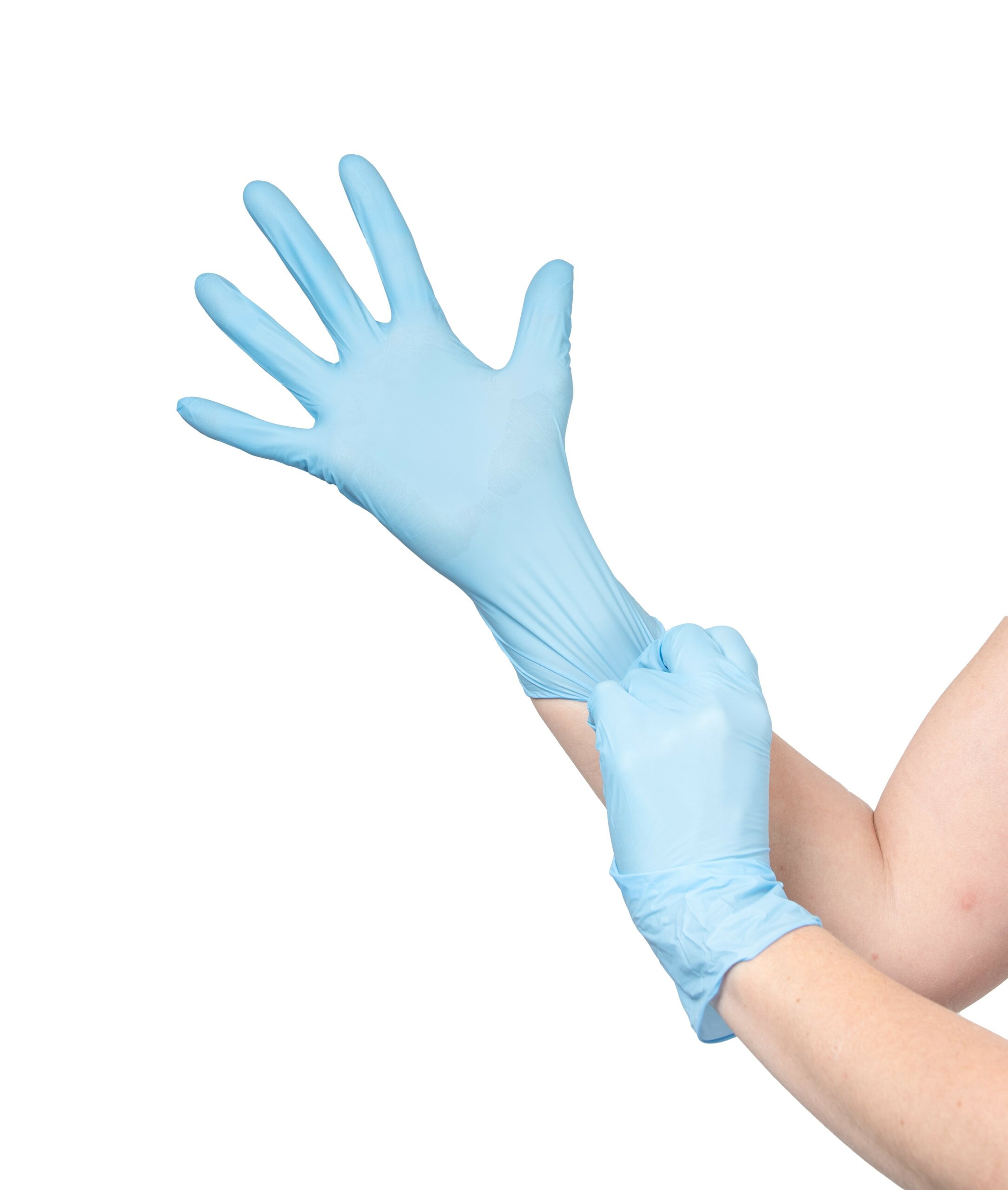
Kolmi Coverfeel Touch
These gloves are designed without accelerators to minimise the risk of allergies; they offer optimal comfort and excellent elasticity. Their inner lining makes them quick to put on, whilst their texture ensures excellent grip, making them ideal for handling tasks in the food industry.
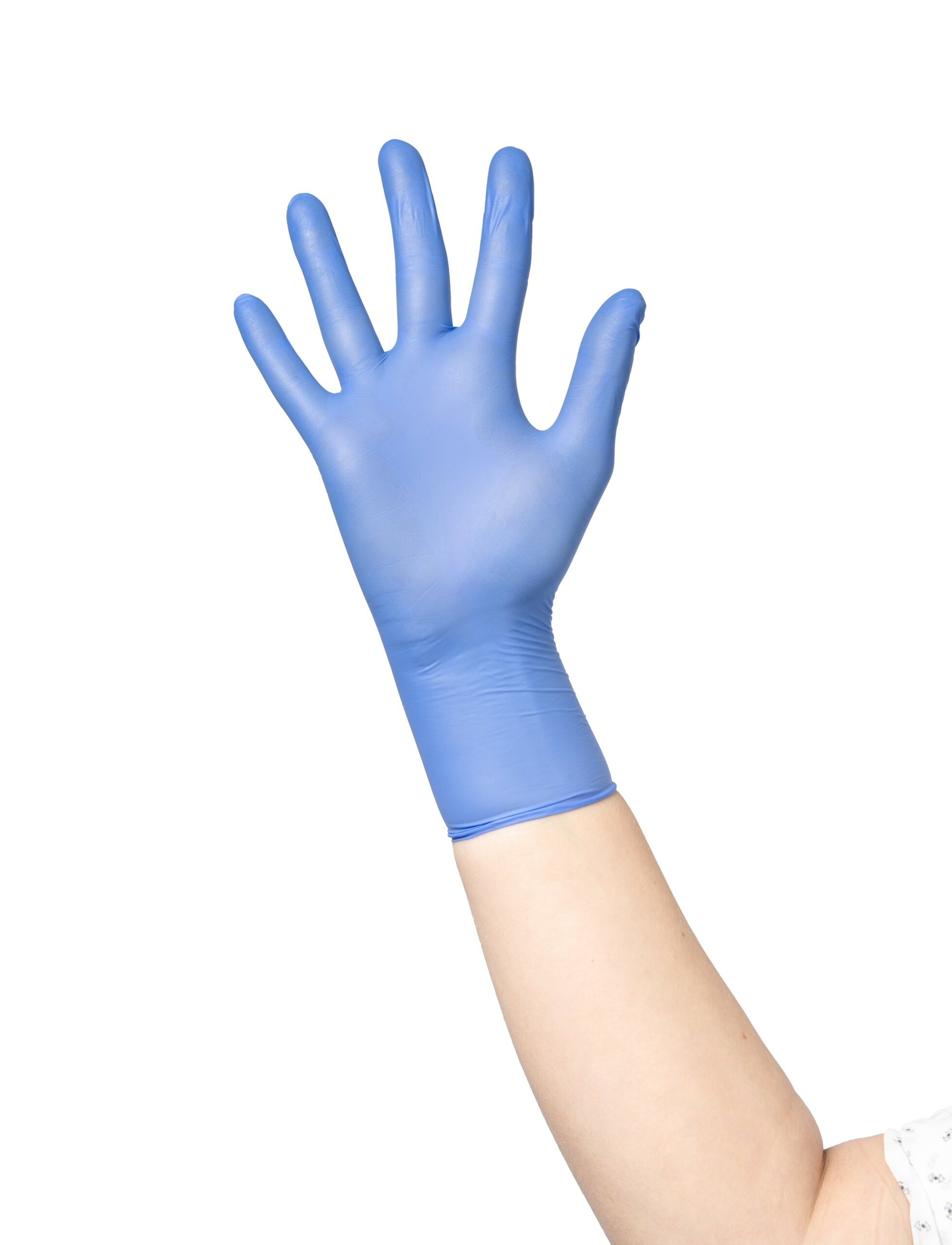
Safetouch Slim
These gloves offer high elasticity and optimum comfort, ensuring excellent grip for handling objects with precision. Being waterproof and airtight, they are ideal for use in the food and drink industry.
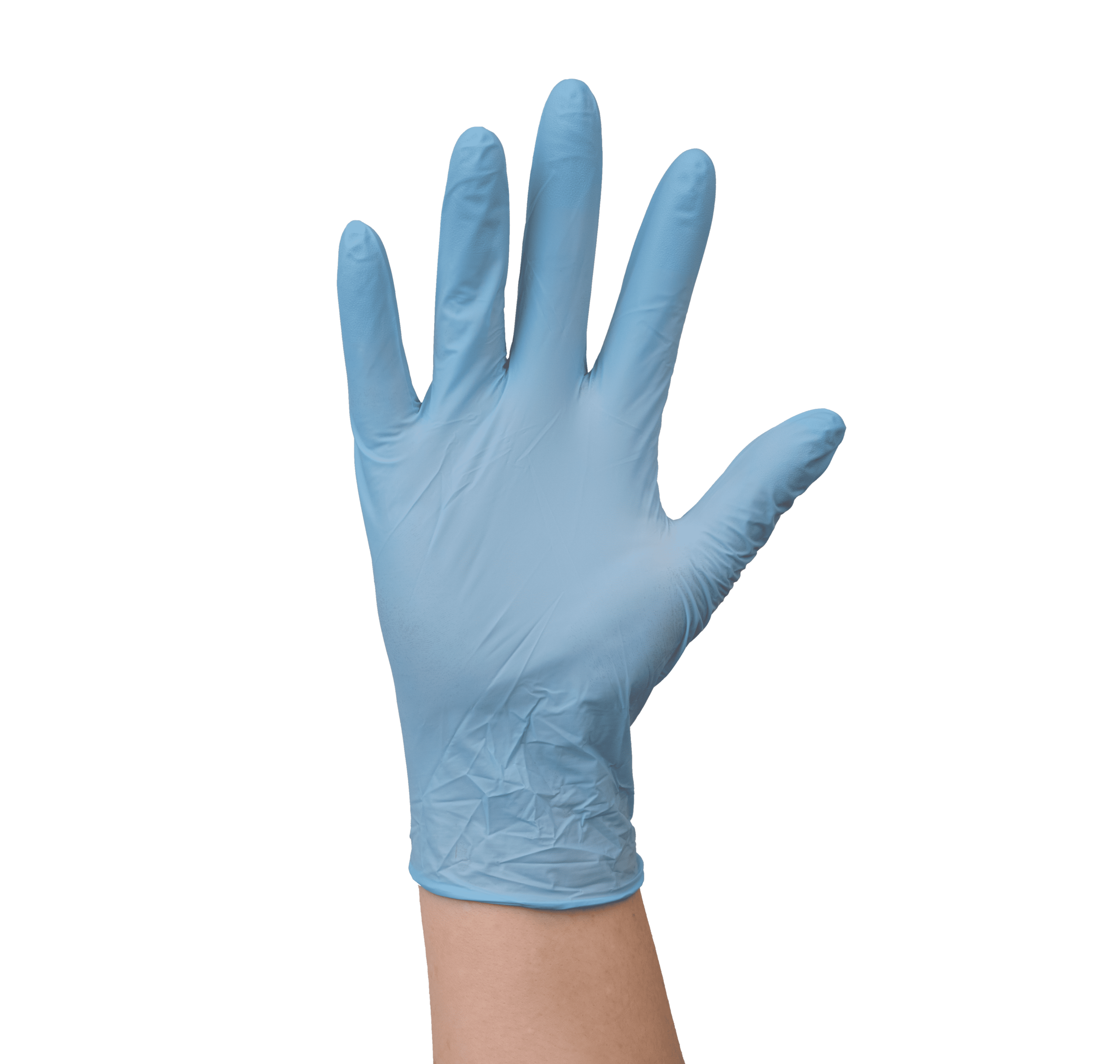
Safetouch Vitals
Gloves offering excellent dexterity and optimum grip, even in wet or dry conditions, thanks to their textured fingers. Designed for food handling and preparation (e.g. HACCP procedures).
Made in France.
Jumpsuits and smocks
Hygiene coveralls and smocks minimise the spread of particles and meet strict food safety standards, ensuring a clean production environment that complies with health and safety requirements.
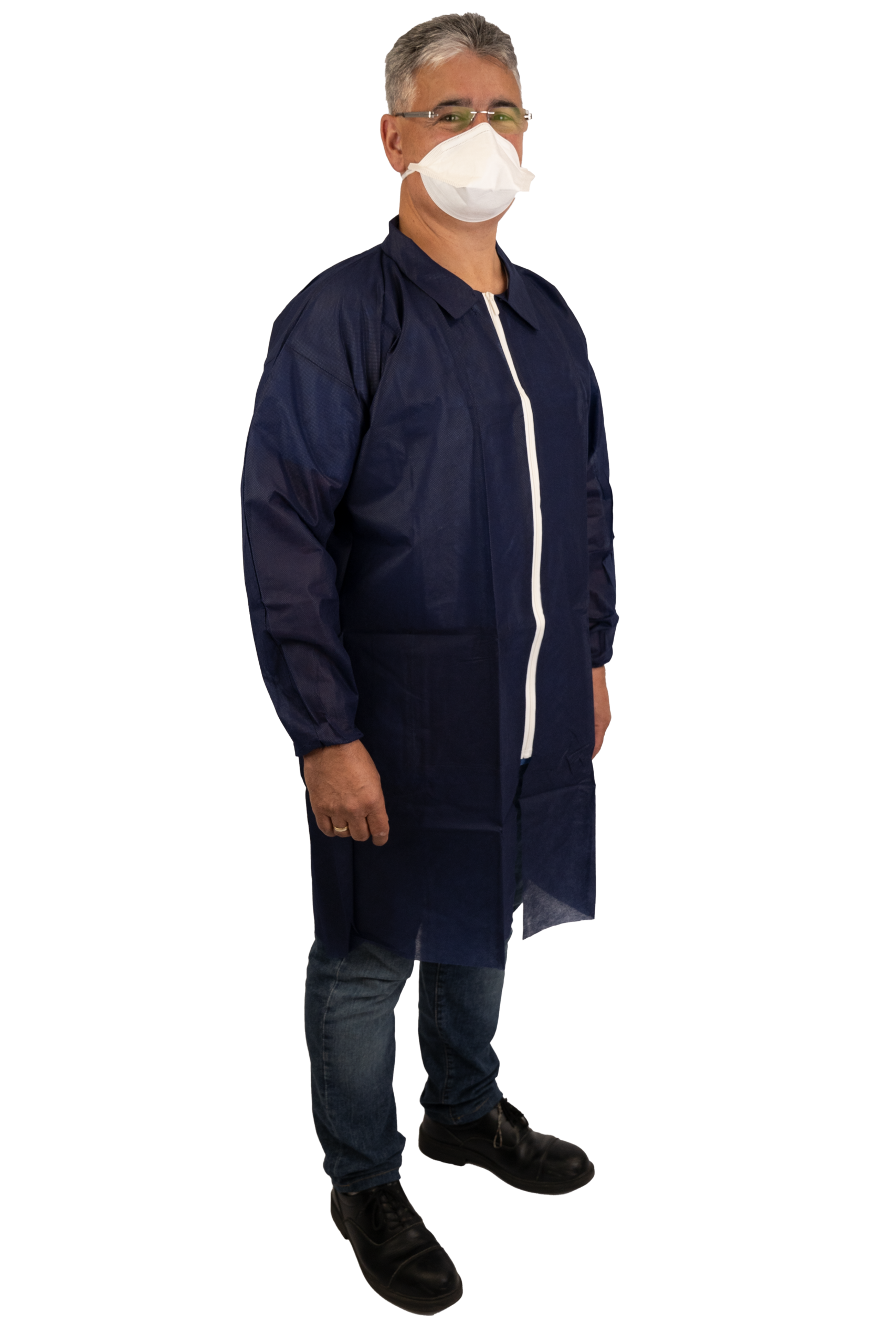
Polypropylene surgical gown
Keeps the workplace free from bodily particles (skin flakes, hair, sweat) and complies with HACCP requirements. It also protects the operator from contamination associated with their work, ensuring hygiene and safety in the food industry.
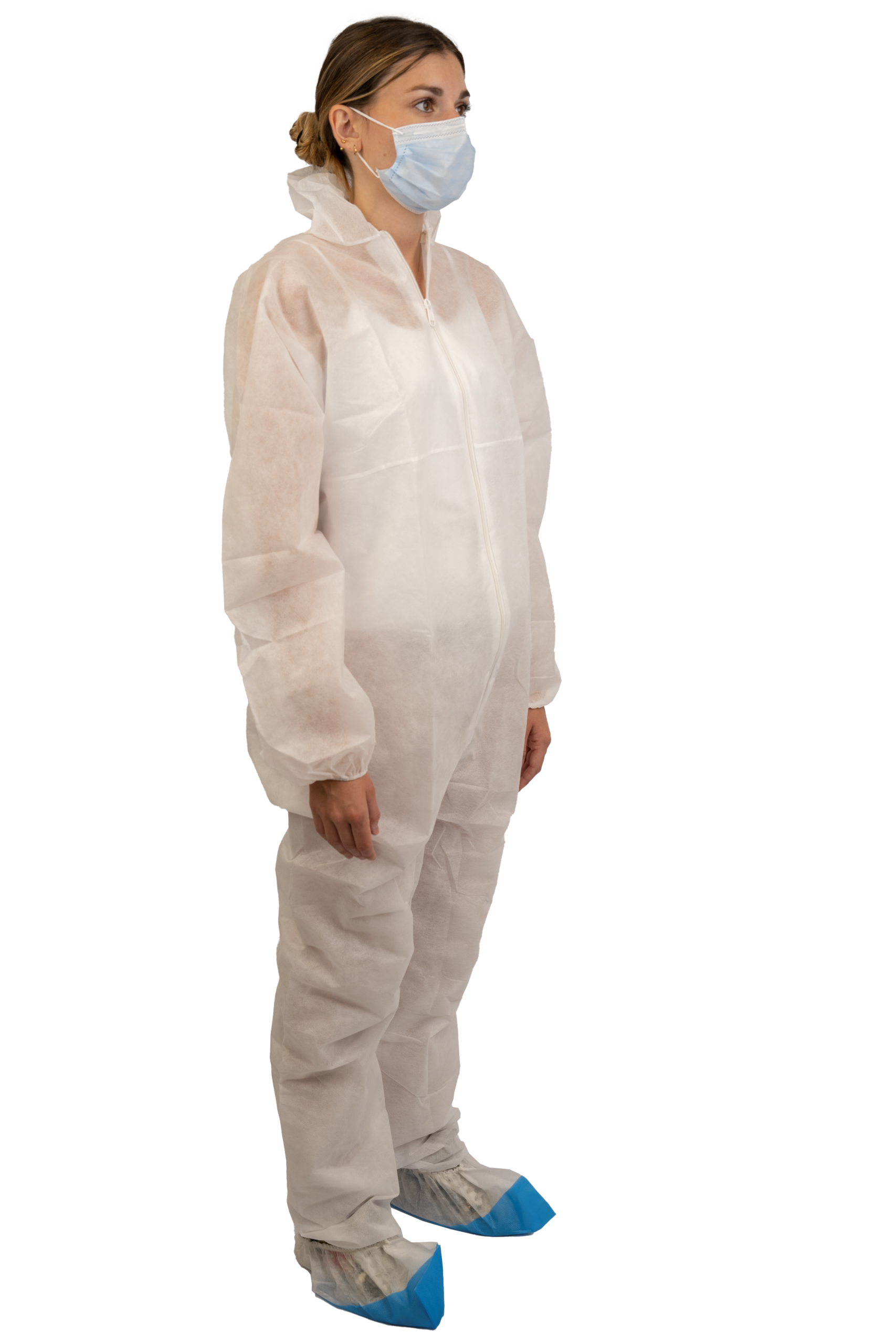
Polypropylene hygiene coverall
Lightweight and breathable, this polypropylene coverall provides optimum protection whilst ensuring the wearer’s comfort. Featuring a hood and elasticated cuffs, ankles and neckline, it offers a secure fit. Its individual packaging facilitates hygiene and distribution in the food industry.
Category III PPE coveralls and smocks protect operators from chemical hazards, particularly during maintenance and cleaning operations. Designed to withstand aggressive agents such as detergents and solvents, they ensure workers’ safety against splashes and toxic substances, thereby reducing the risk of workplace accidents.
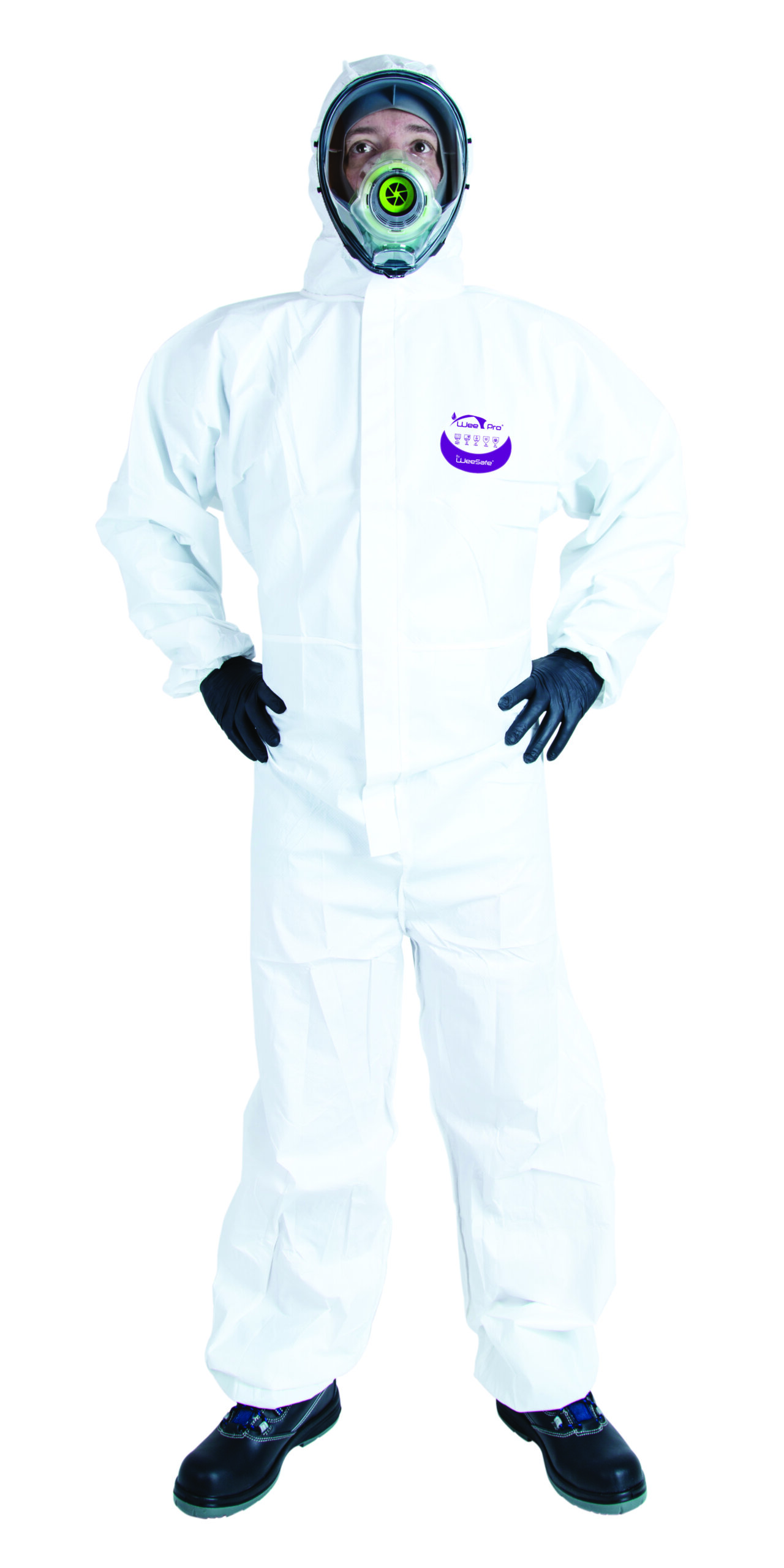
WeePro
Protection against low-density splashes and biologically contaminated dust. It can be worn during production, packaging and maintenance tasks.
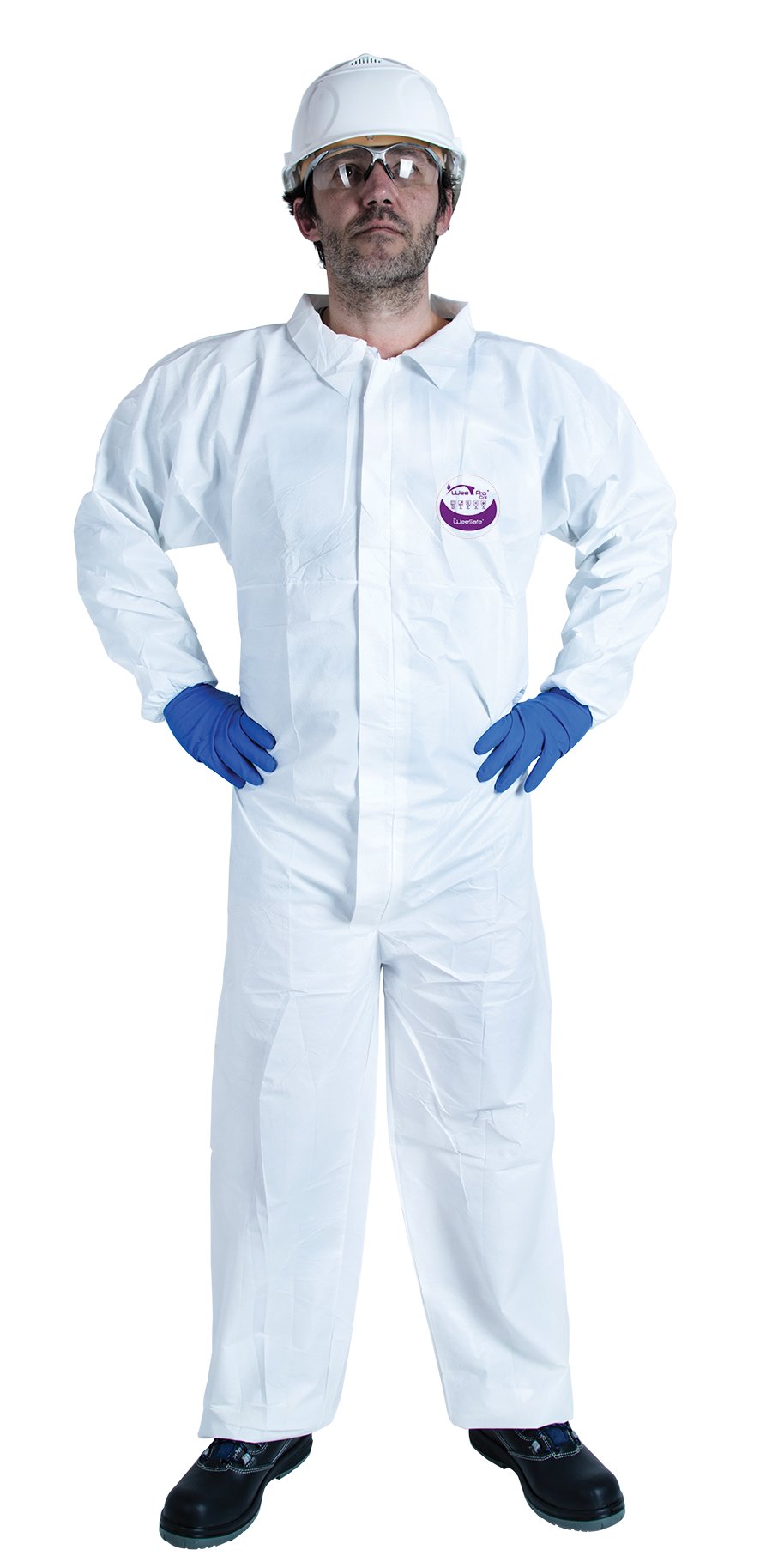
WeePro with a collar
A high-neck version of the classic WeePro coverall, it offers the same level of protection against low-density splashes and biologically contaminated dust, and can be worn during production, packaging and maintenance tasks.
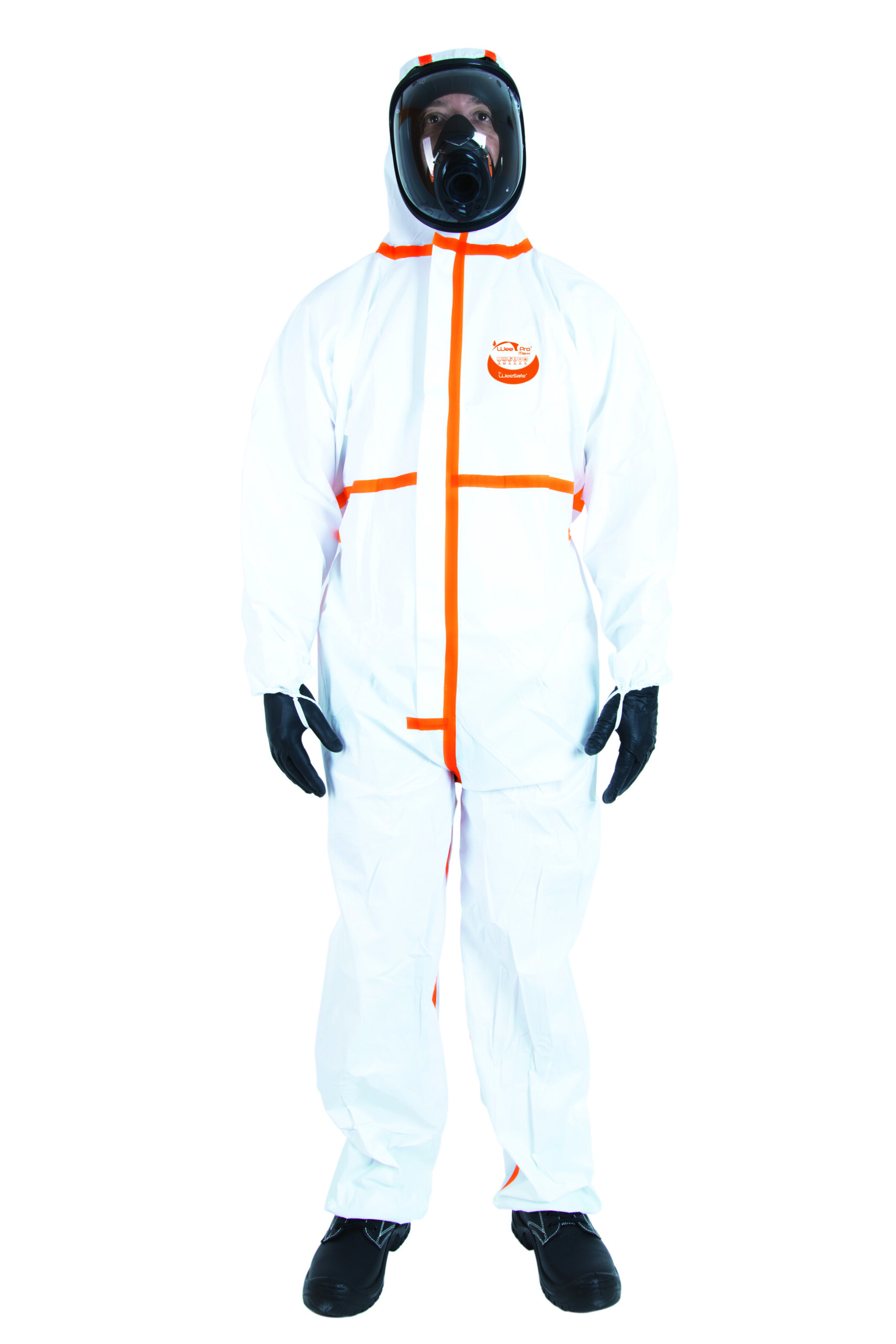
WeePro Max+
Protection against low-density splashes (oil, blood and other food liquids). Its sealed seams provide protection against aerosols and very fine contaminated particles. Achieved the best results in tests under standard EN 14126, Category 3, Type 4.
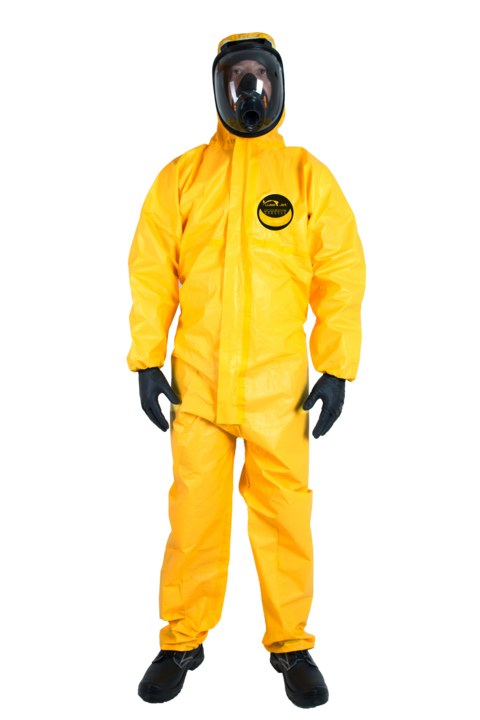
WeeJet
Optimal protection against high-pressure cleaning in wet conditions. It is resistant to concentrated cleaning agents during cleaning operations. Complies with standards for biological hazards (blood and contaminated solids). Its high-density outer coating ensures optimum abrasion resistance.
Masks & respiratory protective equipment
Face masks are essential for preventing food from being contaminated by microorganisms carried by staff, thereby ensuring hygiene and compliance with health and safety standards in sensitive areas.
Kolmi Vitals masks protect the environment from droplets whilst providing an effective barrier against bacteria, particles and viruses. Their Origami fold and Smile seal ensure a perfect fit and optimum comfort. Hypoallergenic, they are ideal for the food and drink industry.
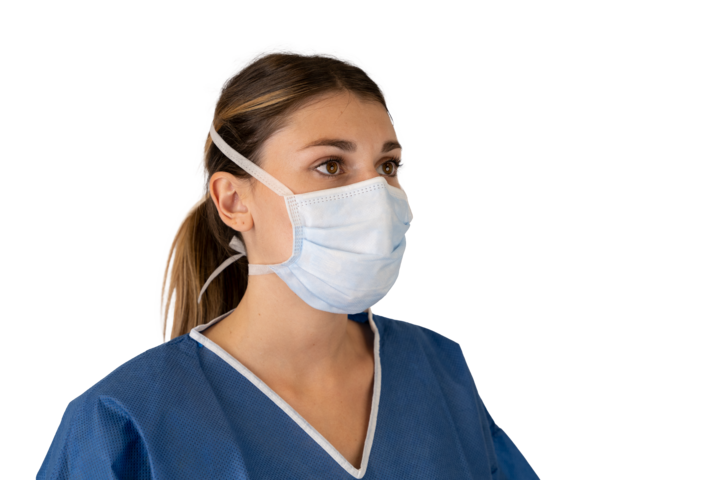
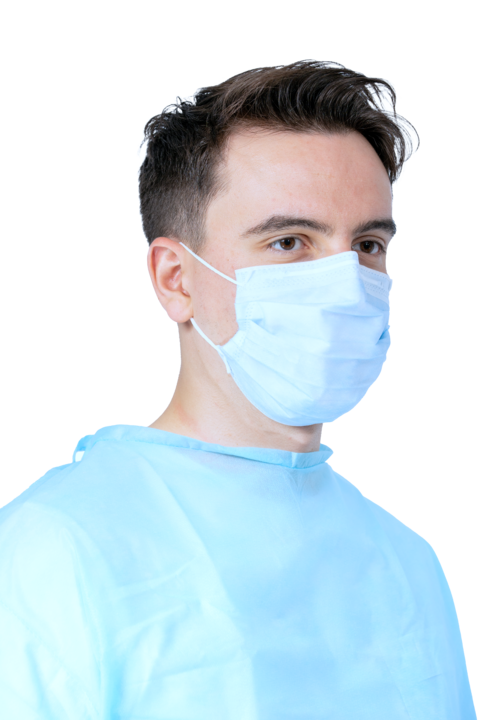

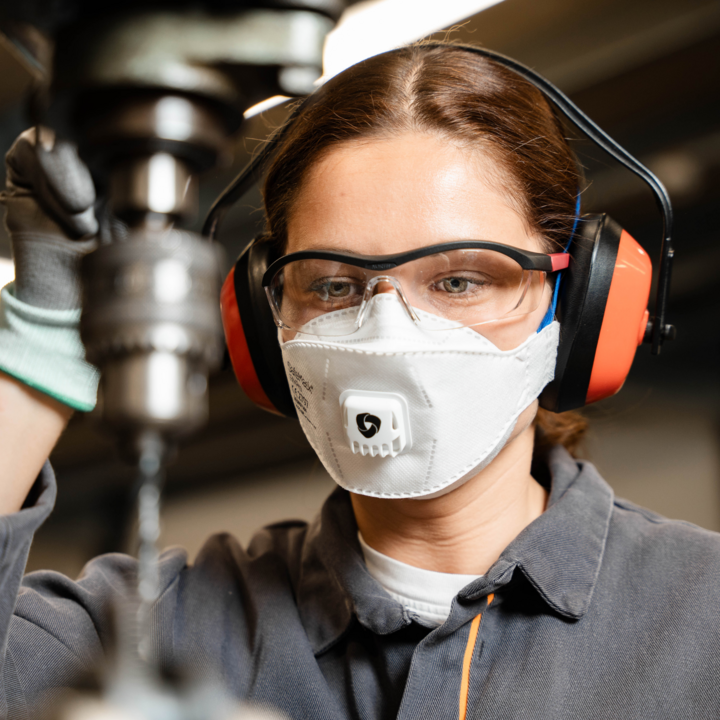
In the food and drink industry, the choice between a valve-equipped FFP2 mask and a valve-equipped FFP3 mask (EN 149) depends on the tasks involved and the level of exposure to particles. The FFP2 mask with a valve is particularly suitable for tasks generating moderate levels of dust, such as handling dry ingredients (flour, powders, additives), whilst offering good breathing comfort during prolonged production operations. For more demanding environments, particularly where fine particles or high-risk contaminants are present, the FFP3 valve mask provides enhanced filtration and optimal protection for operators.
In both cases, the valve improves user comfort, which is essential for roles requiring the mask to be worn for long periods. However, valve-free versions are also available and are recommended when the priority is to prevent any contamination of the working environment or products, by ensuring bidirectional filtration.
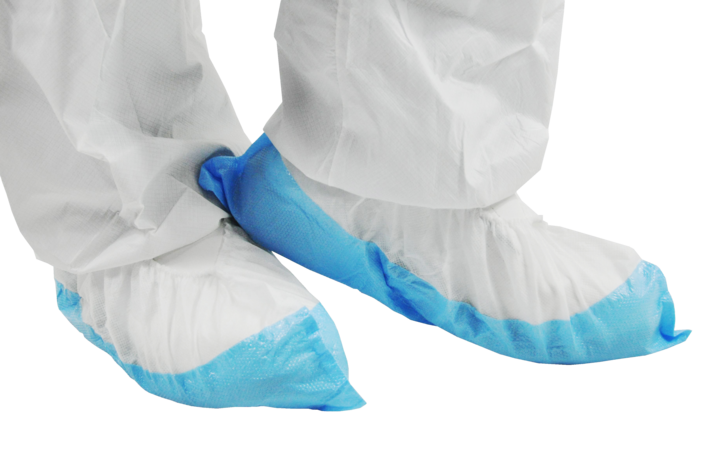
Overshoes
In the food and drink industry, the use of shoe covers is essential for maintaining hygiene and preventing contamination in production areas. They help to limit the introduction of external dirt and reduce the risk of microbiological contamination. The use of different coloured soles plays a key role in preventing cross-contamination: each colour is assigned to a specific area (e.g. preparation, packaging or storage areas), thereby ensuring better traceability and compliance with hygiene protocols.
Made from PP with a 60 µm non-slip PE sole, these shoe covers offer optimum grip even on uneven surfaces and enhanced resistance to abrasion. They are available in a range of colours, allowing for colour-coding by area, which enhances traceability and hygiene – a real asset in demanding food and drink environments. Suitable for all body types and footwear.
Glasses
Safety goggles are essential for protecting the eyes from splashes of chemicals or hazardous substances during cleaning or processing operations.
How should you choose PPE for the food industry?
Assessing risks
Identify the specific hazards (chemical, biological, mechanical, thermal) associated with each task.
Analysing working conditions
Take into account the environment (temperature, humidity, exposure to contaminants) and how easy it is to clean.
Comply with standards
Choose PPE that complies with regulations, such as Regulation (EU) 2016/425 and CE marking.
Prioritise comfort
Equipment must be ergonomically designed so as not to hinder the worker.
Planning maintenance and replacement
Check the equipment regularly and replace it if it shows signs of wear and tear to ensure it remains effective.