Biological agents, found in sectors such as waste reprocessing, wastewater treatment, laboratories, the food and drink industry and the emergency services, expose workers to the risk of serious infections. These agents can be inhaled, ingested or come into contact with the skin, leading to serious, and sometimes irreversible, health conditions. Simply preventing these risks is often insufficient: personal protective equipment is necessary to ensure workers’ safety.
Article L4121-1 of the Labour Code requires employers to assess risks and provide suitable PPE to protect workers’ health.
Our single-use protective clothing, certified to the EN ISO 14126:2003 standard, delivers the best protection against microorganisms in liquid, aerosol or solid particle form, thereby ensuring maximum safety in high-risk environments.
Classification of biological agents
Classifying biological agents into four risk levels is essential for assessing the hazards and determining appropriate protective measures in environments where exposure may occur.
- Risk Class 1: Agents that pose no danger to humans and require few preventive measures.
- Risk Class 2: Agents that may cause mild illness, but with a low risk of transmission.
- Risk Class 3: Pathogens with a risk of spread, requiring enhanced protective measures.
- Risk Class 4: Highly dangerous agents requiring strict protocols to prevent serious contamination.
This system ensures the safety of staff based on the pathogenic potential of the chemical and biological agents present. Wearing PPE helps to minimise the risks associated with handling various substances.
Which sectors are most at risk from biological hazards?
Waste treatment
Collection and sorting centres, storage centres, incineration plants, composting (bacteria, mould, enteroviruses).
Water treatment
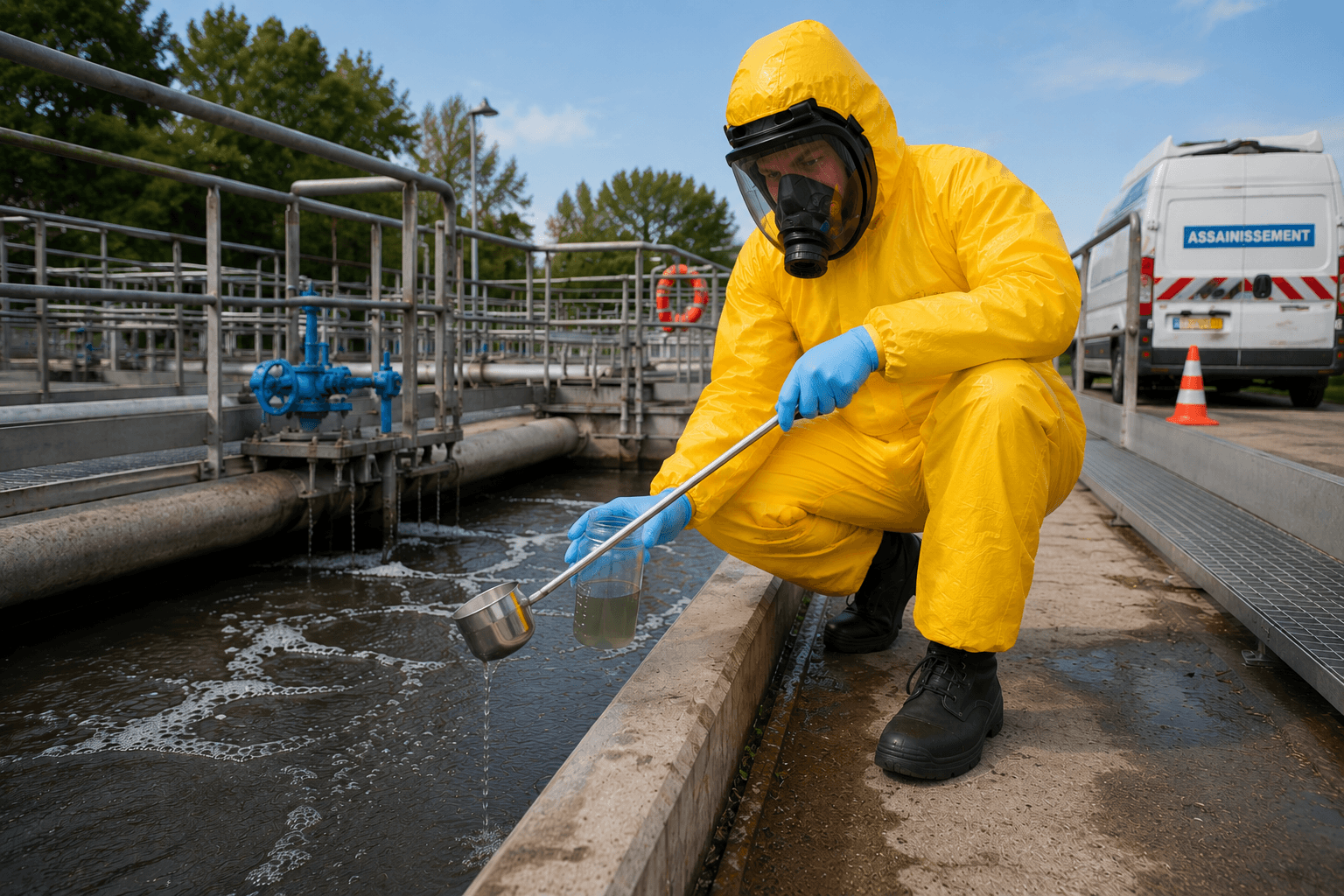
Wastewater treatment companies, sewage treatment works, sewerage operators (salmonella, viruses, bacteria).
Industrial processes
Cleaning of tanks, disinfection of production areas (mould, yeast, bacteria, fungi).
Agriculture
Mould, micro-organisms, prions or ATNCs; activities involving contact with live or dead animals (bacteria, mould, micro-organisms, fungi).
Laboratories, epidemics and emergencies
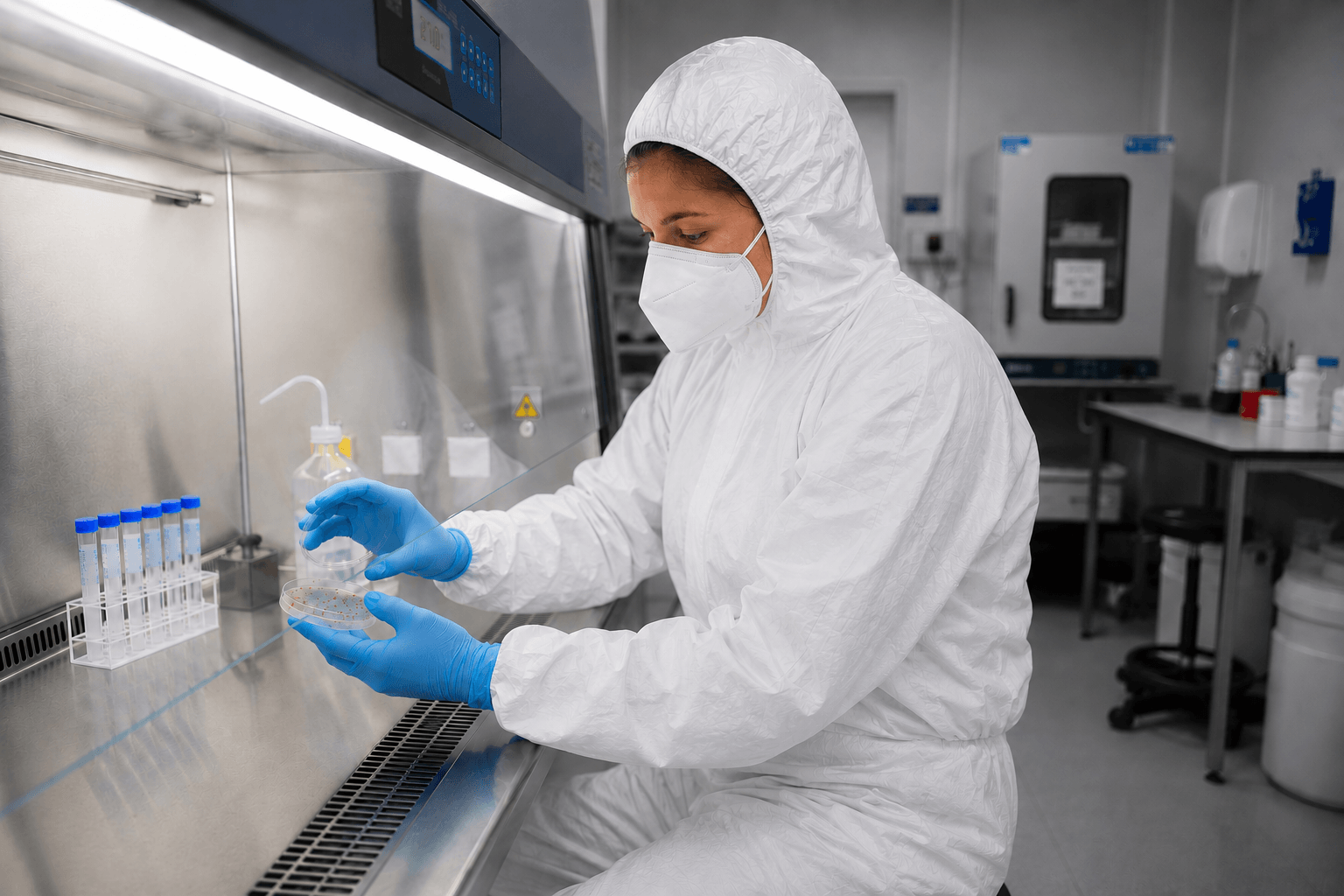
Staff in research laboratories (biology and biotechnology), staff in the pharmaceutical industry (vaccine and antibiotic production), and medical staff. In laboratories, it is compulsory to wear clothing that complies with the relevant standards to prevent any contamination.
Servicing and maintenance in industry and the construction sector
Remediation of brownfield sites, maintenance of air-conditioning and ventilation systems, maintenance of laboratory control systems, maintenance of cooling towers, cleaning contractors.
Coveralls
Protective suits are essential for protecting against biological and chemical hazards such as micro-organisms, aerosols or contaminated particles in the workplace.
To make the right choice, assess the level of exposure and opt for a coverall that complies with the EN 14126 standard, offering protection against infectious agents. Look for sealed seams, an effective barrier against liquids and particles, and a design that promotes comfort and freedom of movement.
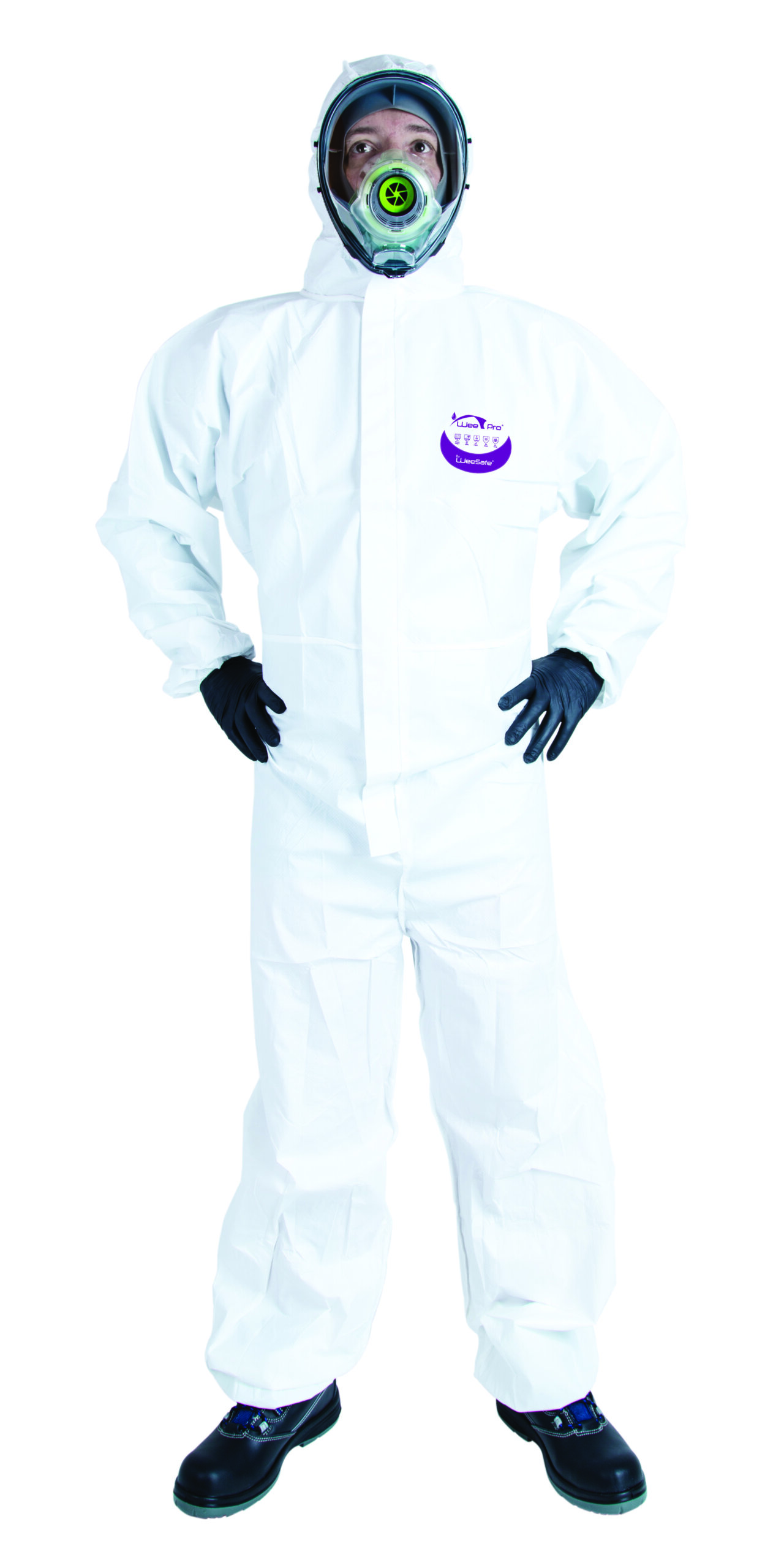
WeePro
Protection against biologically contaminated dust. Can be worn when carrying out tasks involving biological risk levels 1 or 2. Its ergonomic design ensures optimum comfort throughout the task. Its anti-static treatment on both sides dissipates static charge in high-risk areas.
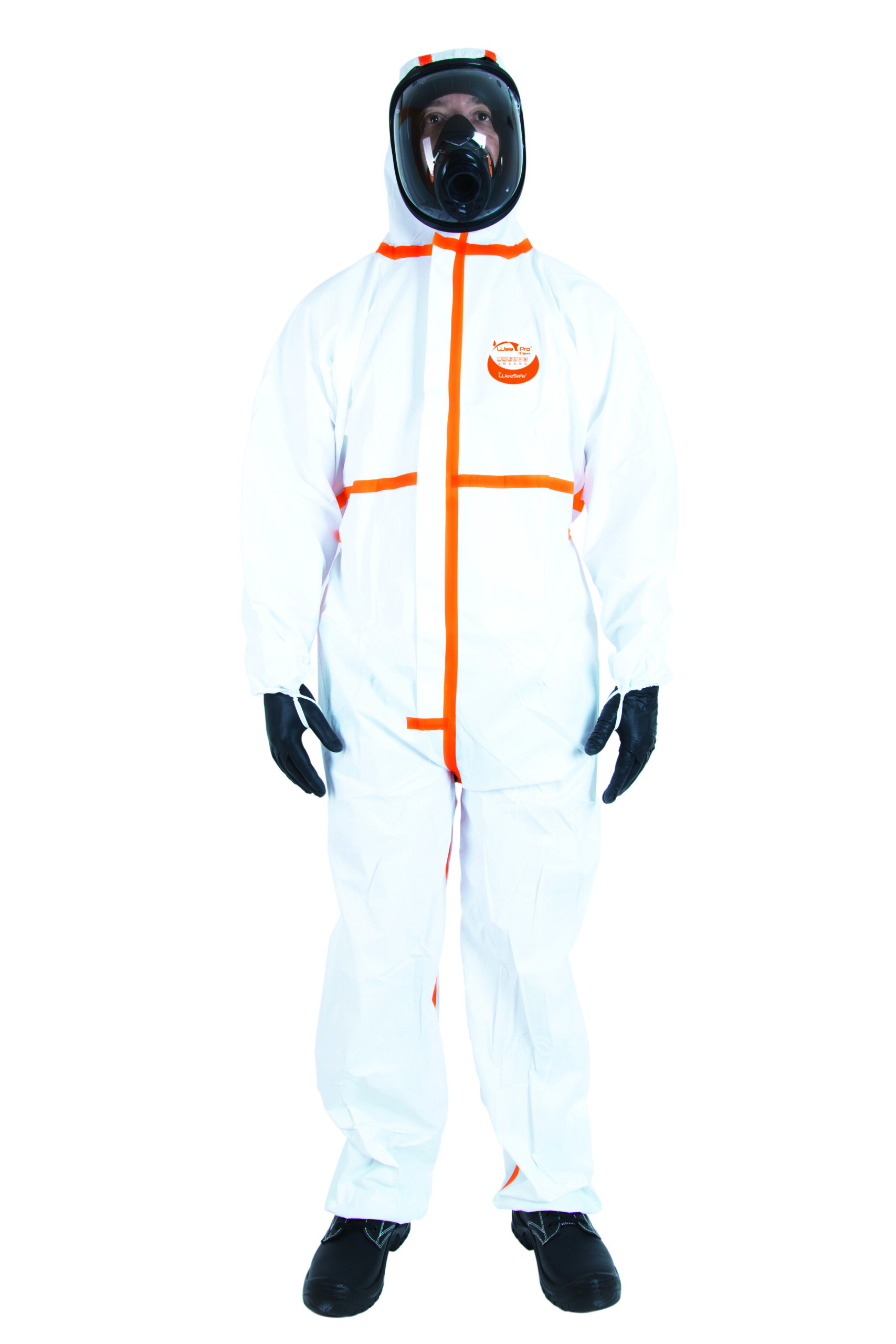
WeePro Max+
Protection against biological hazards associated with handling contaminated materials, objects or animals. Its sealed seams ensure protection against aerosol sprays and fine particles. Achieved the highest results in EN 14126 tests, Category 3, Type 4.
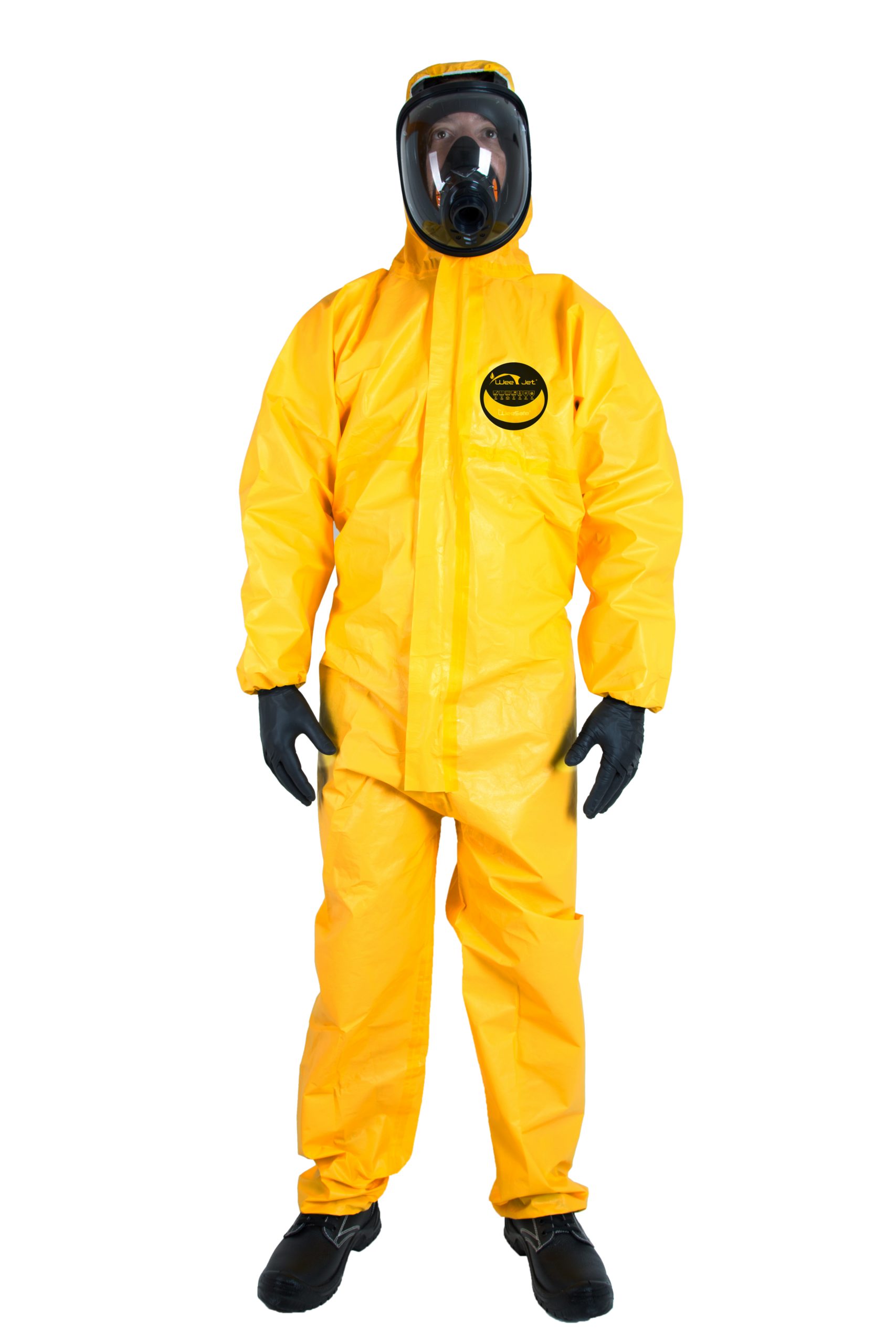
WeeJet
Optimal protection against liquids and biologically contaminated dust. Its high-density outer coating ensures optimum abrasion resistance (6/6 according to standard EN 530) and high tear resistance (3/6 according to standard ISO 9073-4).
Protective gloves
Gloves are essential protective equipment for safeguarding against biological agents (viruses, bacteria) when carrying out high-risk tasks in the workplace. They protect the hands – a sensitive area – from infection. To choose the right gloves, you need to assess the risks of exposure and ensure that they comply with standards such as EN ISO 374.
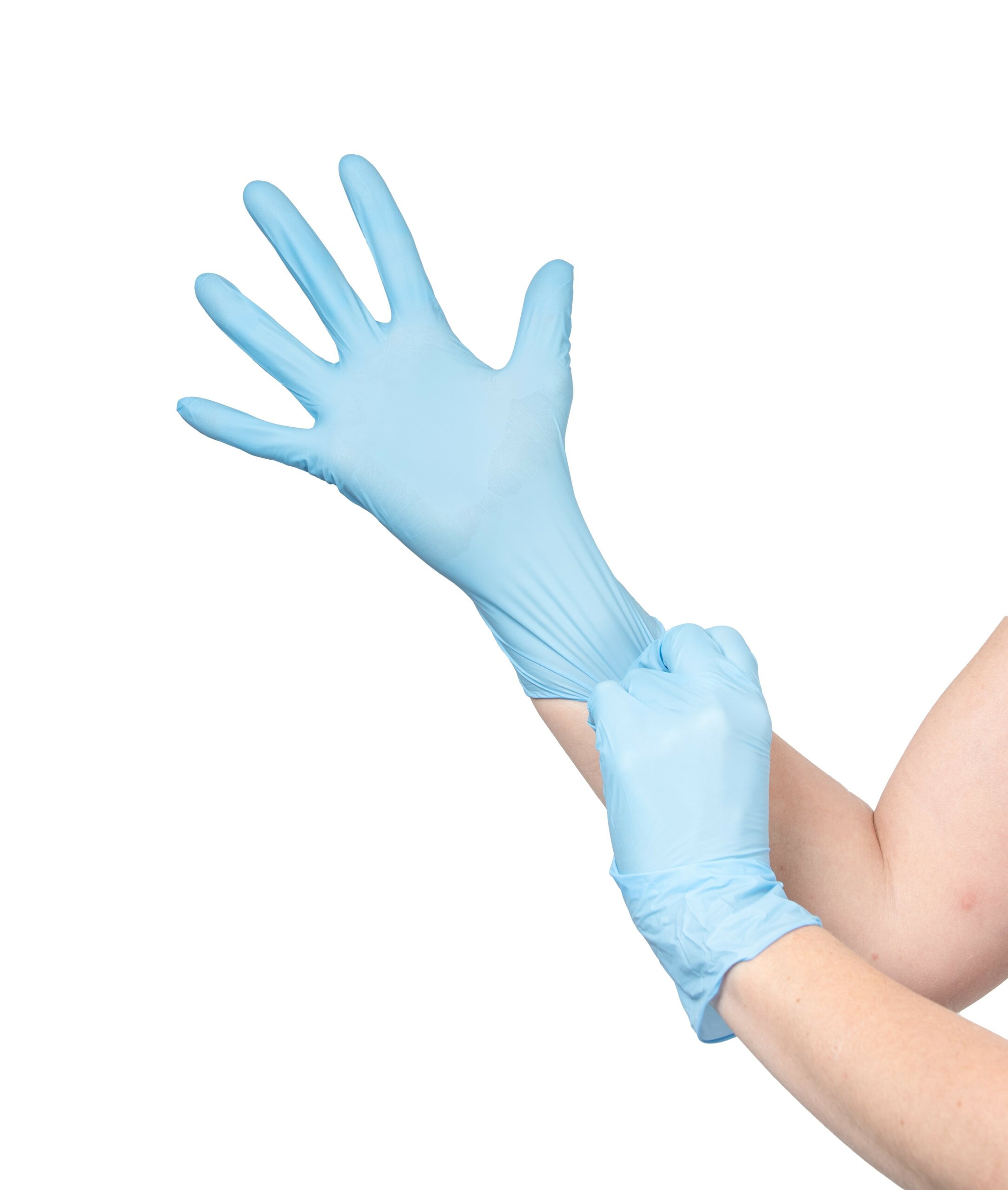
Kolmi Coverfeel Touch
Without a lubricant, these gloves minimise Type IV allergic reactions and ensure optimum comfort thanks to their internal polymer coating, which makes them easy to put on. Their elasticity, dexterity and non-slip texture guarantee excellent grip, making them ideally suited to medical, industrial and food processing environments.
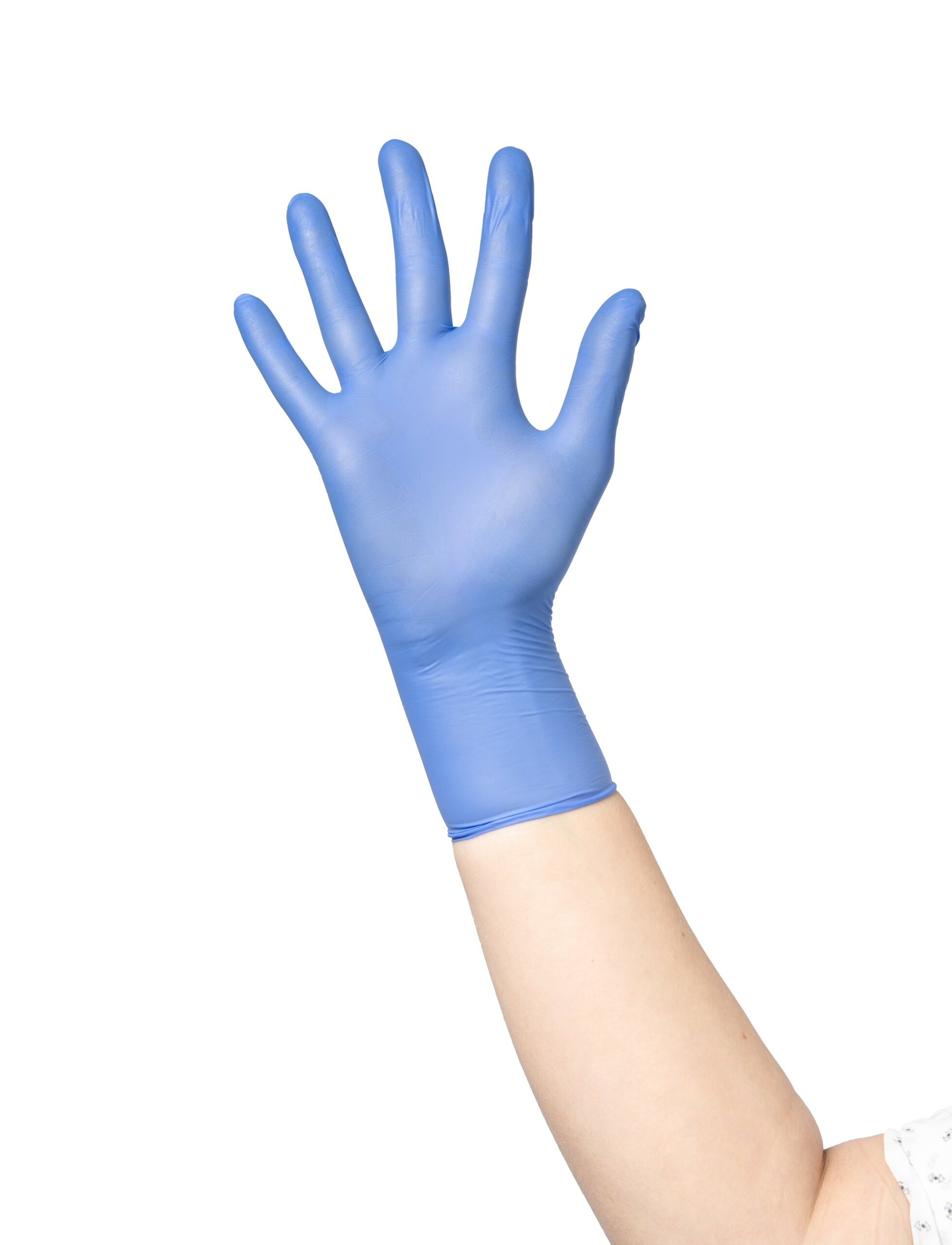
Safetouch Slim
With high elasticity and excellent grip, these ultra-comfortable gloves make it easy to handle objects. Being powder-free, they reduce the risk of airborne contamination and minimise the risk of irritation. Waterproof and airtight, they are ideal for use in medical, industrial and food processing environments.
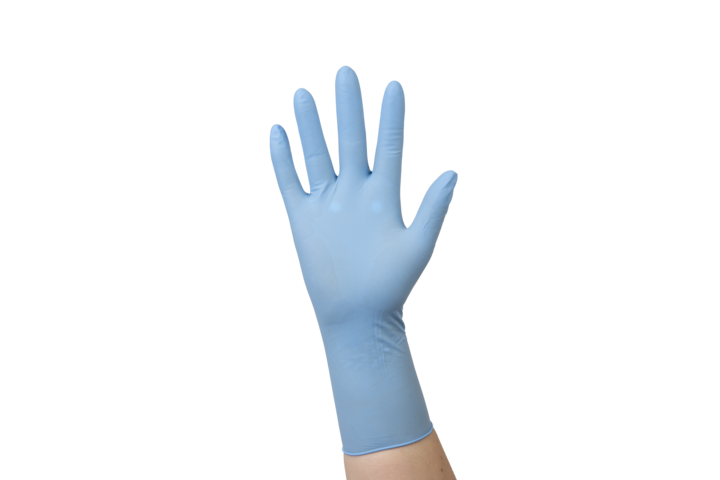
Safetouch Long
These gloves feature a 290 mm long cuff to protect the forearms; they offer optimal comfort, excellent dexterity and reliable grip in both wet and dry conditions. Their robust construction ensures enhanced durability, making them ideal for use in medical, chemical and laboratory settings (research, pharmaceutical, cleanrooms).
Made in France.
Masks & breathing apparatus
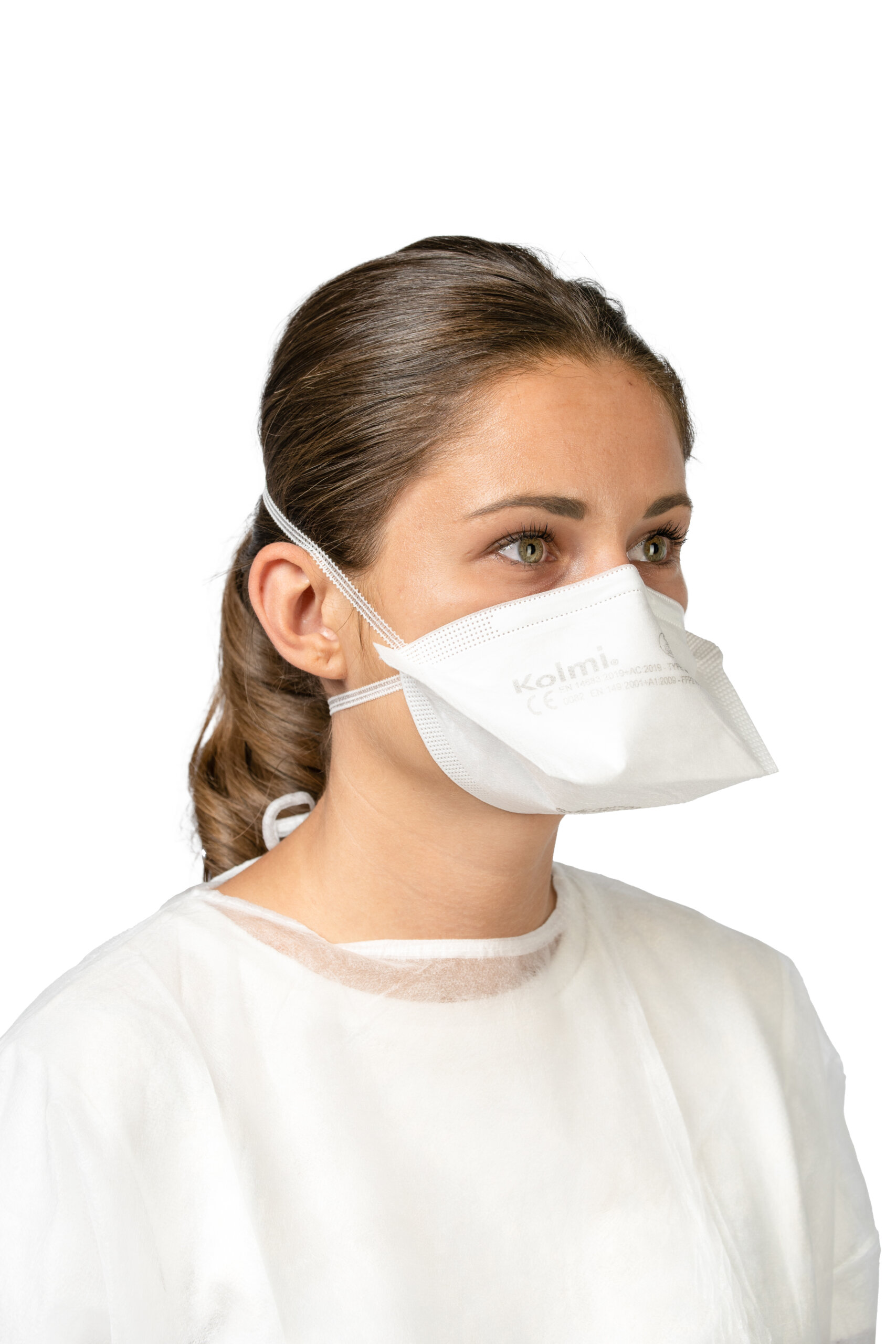
Designed to effectively filter solid and liquid particles, our Kolmi Oxygen FFP2 and FFP3 masks provide a high-performance respiratory barrier against biological hazards. With their comfortable fit, high filtration capacity and composition comprising up to 70 per cent recycled materials, they guarantee sustainable and responsible protection.
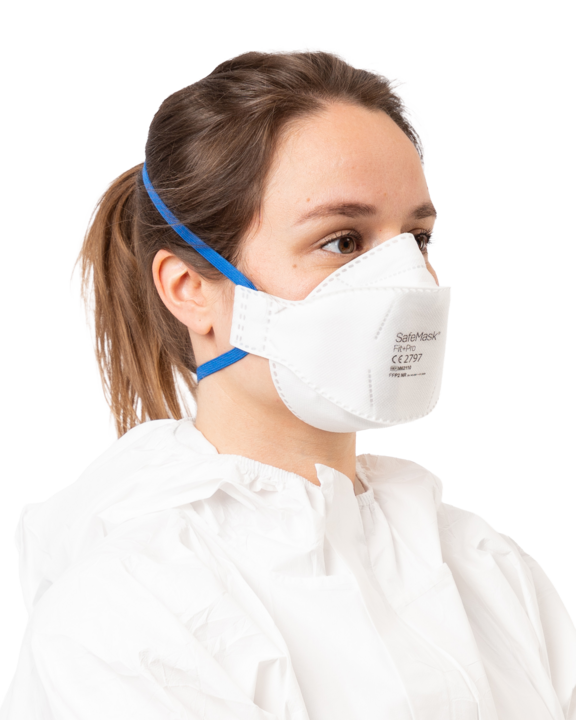
In addition, our range also includes the Kolmi SafeMask Fit+Pro FFP2 mask, which features a three-panel design, offers an excellent fit and is ideally suited to environments where there is a risk of exposure to biological hazards.
Kolmi Oxygen masks are made in France.