


PPE Phytosanitary risk
Choosing the right personal protective equipment
The use of plant protection products, which are essential in many agricultural sectors, poses significant health risks to users. They can be irritants, toxic or even carcinogenic, affecting the skin, the respiratory tract and sometimes the whole body. These risks are present at every stage: mixing, application and cleaning of equipment.
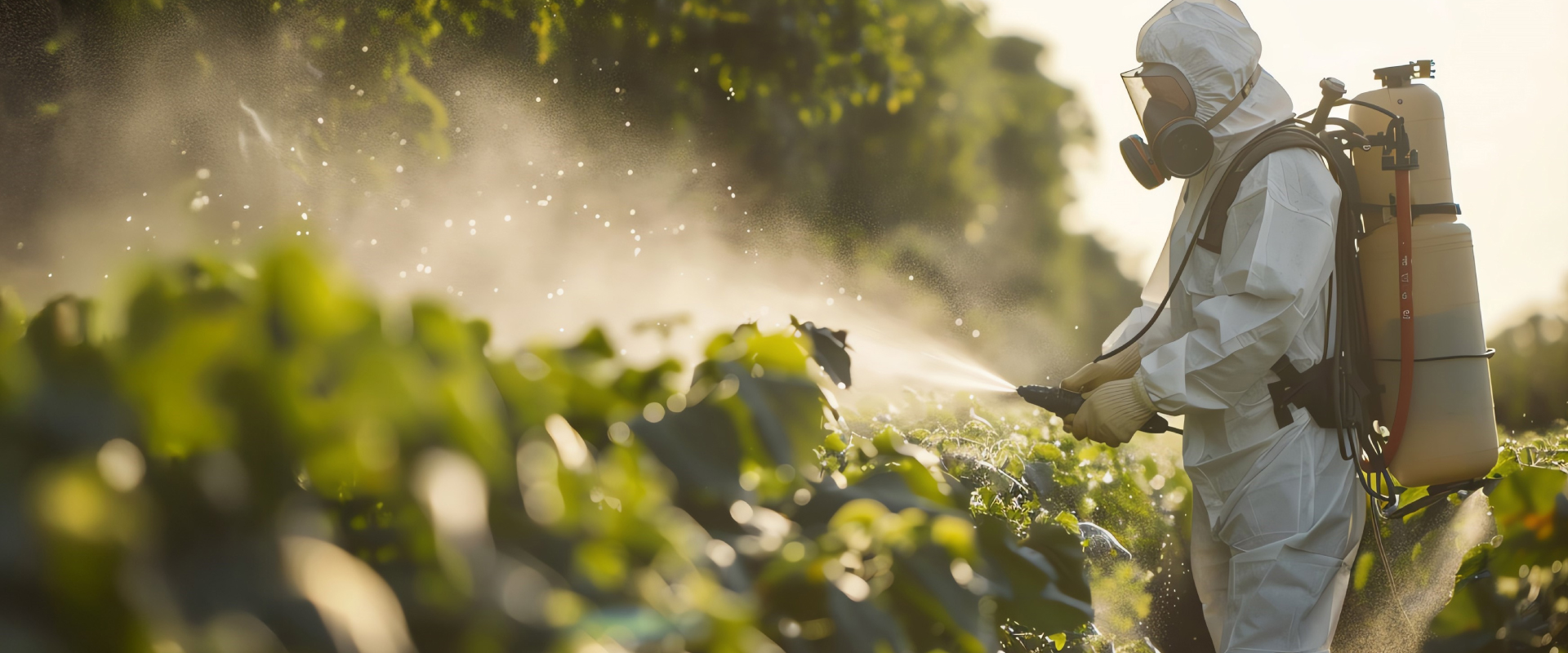
To minimise these risks, wearing appropriate Personal Protective Equipment (PPE) is not only essential but also a legal requirement, as is standard practice in the food industry. A Type 3 or 4 coverall, which provides protection against splashes and sprays, is essential for protecting the body.
Coveralls must comply with ISO 27065:2017, ensuring specific protection against pesticides, depending on the level of occupational exposure.
PPE must be selected on the basis of specific risks and bear the CE mark, guaranteeing its compliance with current standards. Wearing appropriate clothing and following best practice in safety is key to protecting your health in this high-risk environment.
The main risks associated
with the use of plant protection products
Specific risks are present at every stage of the process, from preparation to application and right through to cleaning. These risks require extra vigilance and the use of appropriate protective equipment to ensure the safety of operators.
1. Preparation: direct contact with the products
During preparation, operators handle the products to mix the spray solution and fill the sprayer. This stage exposes them to accidental splashes, whether in liquid, powder or granule form. These substances, which are often highly concentrated, pose risks of skin irritation, inhalation of toxic particles or poisoning if they come into contact with mucous membranes.
2. Application: prolonged exposure to chemicals
During application, exposure depends on the type of spraying and the equipment used. Operators using open-cab or backpack sprayers are particularly vulnerable to chemical aerosols. Risks include inhalation of fine droplets, skin contact and, in some cases, prolonged exposure due to unsuitable or inadequately sealed clothing.
3. Cleaning: an underestimated but ever-present danger
Cleaning, though often seen as a minor step, is nevertheless critical in terms of risk. Rinsing the tank, spray booms and nozzles exposes the operator to splashes of contaminated water and residual aerosols. Contact with concentrated chemical residues can cause severe irritation or even poisoning if safety precautions are not strictly followed.
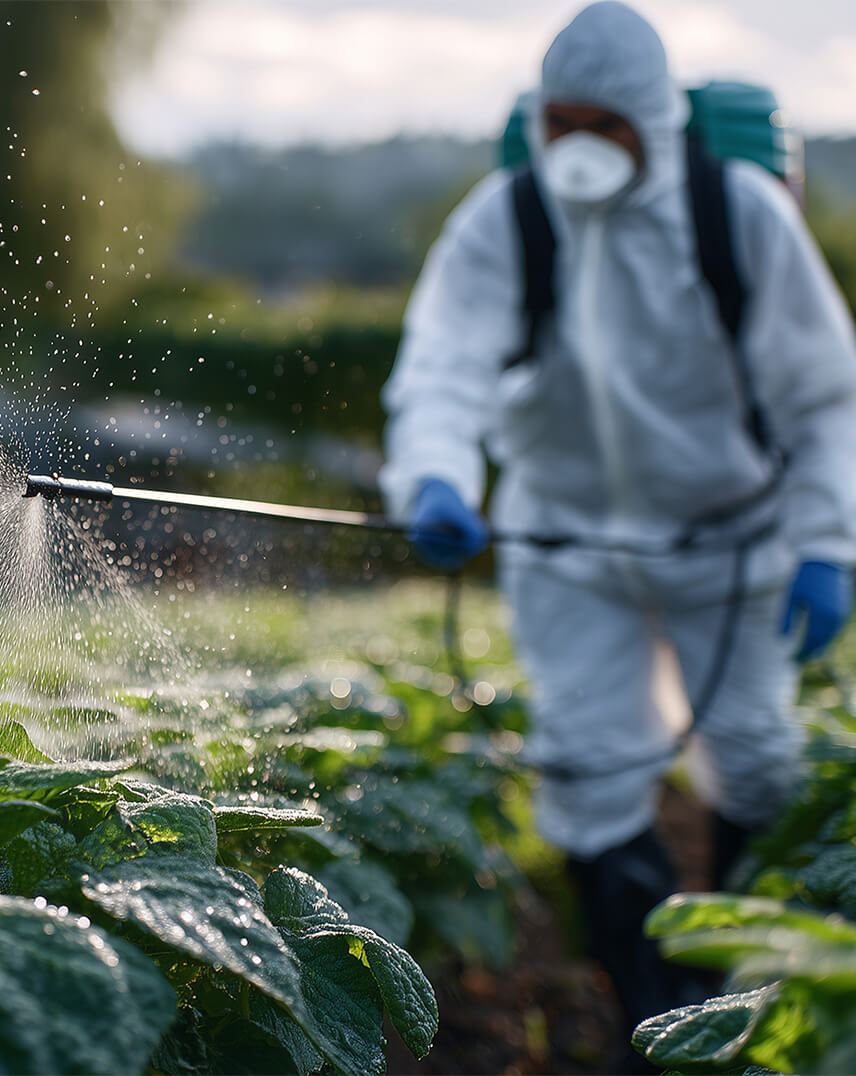
Our personal protective equipment for plant protection
At every stage, appropriate protective equipment (coveralls, gloves, respirators, etc.) is essential to minimise exposure and safeguard the health of operators. At Medicom, our in-depth understanding of regulatory requirements enables us to offer reliable, tailored solutions for professionals exposed to plant protection risks, combining safety, comfort and practicality.
Coveralls
Coveralls provide full protection against chemicals, pesticides and biological hazards. They cover the entire body, preventing splashes and splatters, whilst acting as a barrier against contaminants. Designed to be both durable and comfortable, they enable workers to protect themselves effectively whilst maintaining the freedom of movement required for their tasks.
Our WeePro MaxGreen coverall complies with the ISO 27065:2017 standard, guaranteeing certified and recognised protection.
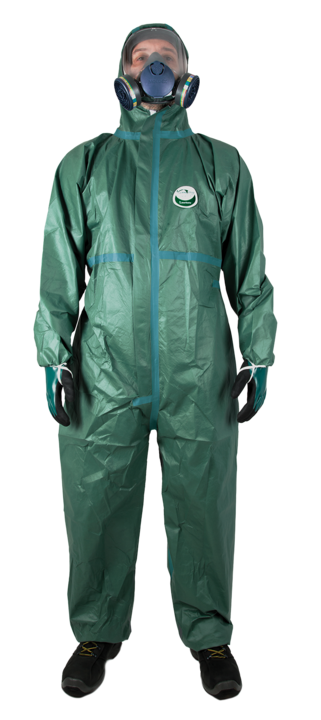
WEEPRO® MAX GREEN TYPE 4/5/6 SUIT
Ideal protection against plant health risks. Complies with ISO 27065:2017: Protection against pesticides. Designed with an integrated chin strap to fit over a protective mask. This model must be worn during spraying operations.
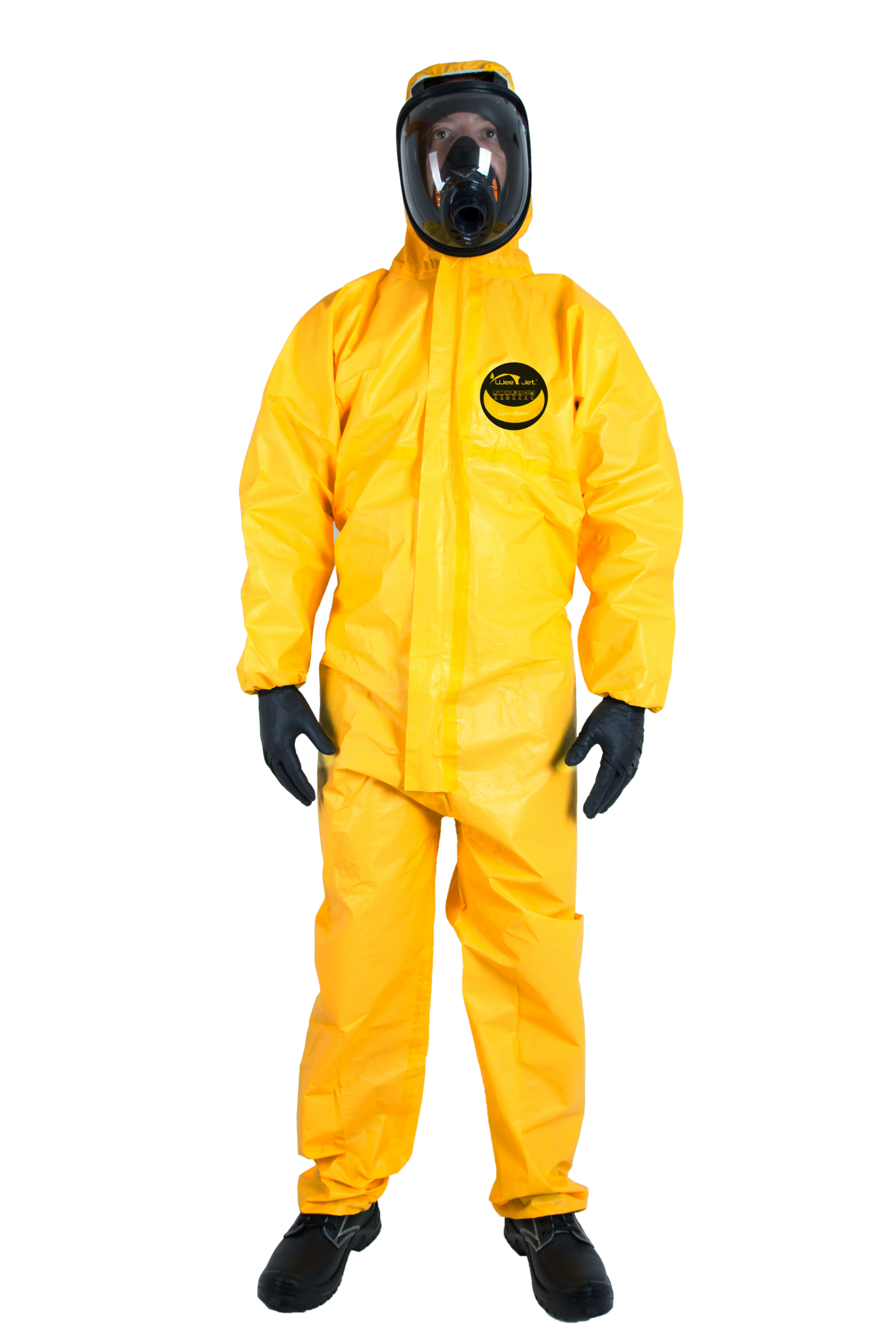
WEEPRO® MAX GREEN Type 4/5/6 Coverall
Enhanced protection against splashes from plant protection products, ideal during preparation and cleaning. Waterproof and anti-static, it minimises seepage thanks to its heat-sealed seams and elasticated thumb loop, ensuring a perfect fit with gloves.
Gloves
Wearing protective gloves is essential for protecting your hands, which are constantly exposed to chemicals and toxic residues. Whether you are preparing mixtures, applying them by spraying or cleaning equipment, gloves prevent irritation, burns and the absorption of chemicals through the skin, thereby ensuring optimum safety.
Respiratory protective masks
Respiratory masks are essential for protecting workers’ airways from inhaling dust, chemicals or toxic gases. They ensure effective filtration of fine particles and contaminants, thereby preventing the risk of poisoning or respiratory irritation.
Provides high-performance filtration against aerosols and toxic particles. Certified to Type IIR standards, it also protects against splashes of body fluids. Its optimal fit and knitted elastic straps ensure comfort and safety. Thanks to its Mass Balance approach, it contains up to 70% recycled materials, helping to reduce the use of fossil resources without compromising on performance.
Hypoallergenic and made in France.

Glasses
Safety goggles are essential when handling, applying and cleaning up plant protection products. They protect the eyes from chemical splashes when mixing products, aerosols during spraying and splashes of contaminated water when rinsing equipment, thereby preventing irritation, burns and serious injury.
Overshoes
Over-shoes are also an essential item of PPE, protecting feet and footwear from external contamination, particularly when applying chemicals or coming into contact with treated surfaces. They provide an additional barrier against splashes and offer protection against harmful substances on the ground.
Boots
Boots are a crucial item of PPE as they protect workers from direct contact with chemicals, pesticides and herbicides. They provide a barrier against splashes and sprays whilst ensuring protection against moisture and the risk of harmful substances seeping in.
Reliability, comfort and safety come together in this mask, which is designed for demanding ISO environments.

How do you choose the right PPE for plant protection work?
Identify the specific hazards associated with each task (splash of liquids, inhalation of aerosols, skin contact). Choose equipment certified to meet relevant standards, such as Type 3 or 4 coveralls for chemical protection.
Ensure that PPE complies with European regulations, in particular the CE marking and specific standards (EN 14605 for coveralls, EN 374 for gloves, EN 166 for safety glasses).
Choose clothing that is suitable for prolonged wear, offering good freedom of movement and sufficient breathability to prevent fatigue.
Check that the PPE is resistant to the specific chemicals being handled by consulting the safety data sheets (SDS)
Mandatory standards to be complied with
Specific risks are present at every stage of the process, from preparation to application and right through to cleaning. These risks require extra vigilance and the use of appropriate protective equipment to ensure the safety of operators.
For gloves
EN 374: This standard specifies the performance requirements for gloves designed to protect against chemicals and microorganisms. It is crucial for ensuring that gloves provide an effective barrier against the chemicals found in plant protection products.
For wetsuits
EN ISO 27065: This standard sets out the requirements for protective suits used when applying plant protection products. It ensures that the suits provide adequate protection against the specific chemical hazards associated with this sector.
For boots
EN ISO 20345: This standard sets out the safety requirements for safety footwear, including resistance to impact and compression. It is essential for ensuring the mechanical protection of operators’ feet.
EN 13832-3: This standard specifies the requirements for chemical-resistant boots, ensuring their resistance to the substances in question.
For safety glasses
EN 166: This standard sets out the requirements for safety eyewear, including impact resistance and protection against chemicals. It is essential for ensuring the eye safety of operators.
To ensure your safety, choose PPE that complies with current standards, as indicated by the CE marking, which certifies that it meets European requirements.
Please also consult the Safety Data Sheets (SDS) for plant protection products: these detail the specific risks and recommend suitable protective equipment, helping you to make an informed and safe choice.
Further information, guides and useful advice can be found on the Ministry of Agriculture’s website.