


Cleanroom:
definition, standards
and essential equipment
A clear guide to choosing the right PPE for your operations and risks.

A cleanroom, also known as a white room, is a controlled environment where every particle counts: temperature, humidity and pressure are regulated to protect the most sensitive processes. Found in healthcare, industry and research, they ensure product quality and safety.
With over 50 years of expertise in France,
Medicom supports professionals by combining industrial expertise, local production and sustainable innovation. It is this unique combination that makes the difference.
What is a cleanroom?
A cleanroom is an enclosed space where particle levels are strictly controlled to minimise any risk of contamination.
To give you an idea, outdoor air contains several million particles per cubic metre. In an ISO 7 cleanroom, there are fewer than 352,000; in an ISO 5 cleanroom, the figure drops to just 3,520. These figures reflect the extremely high standards required for this type of facility.
The aim remains the same: to protect products and processes. And, by extension, to safeguard users and patients in sectors where sterility is not an option but an absolute necessity.
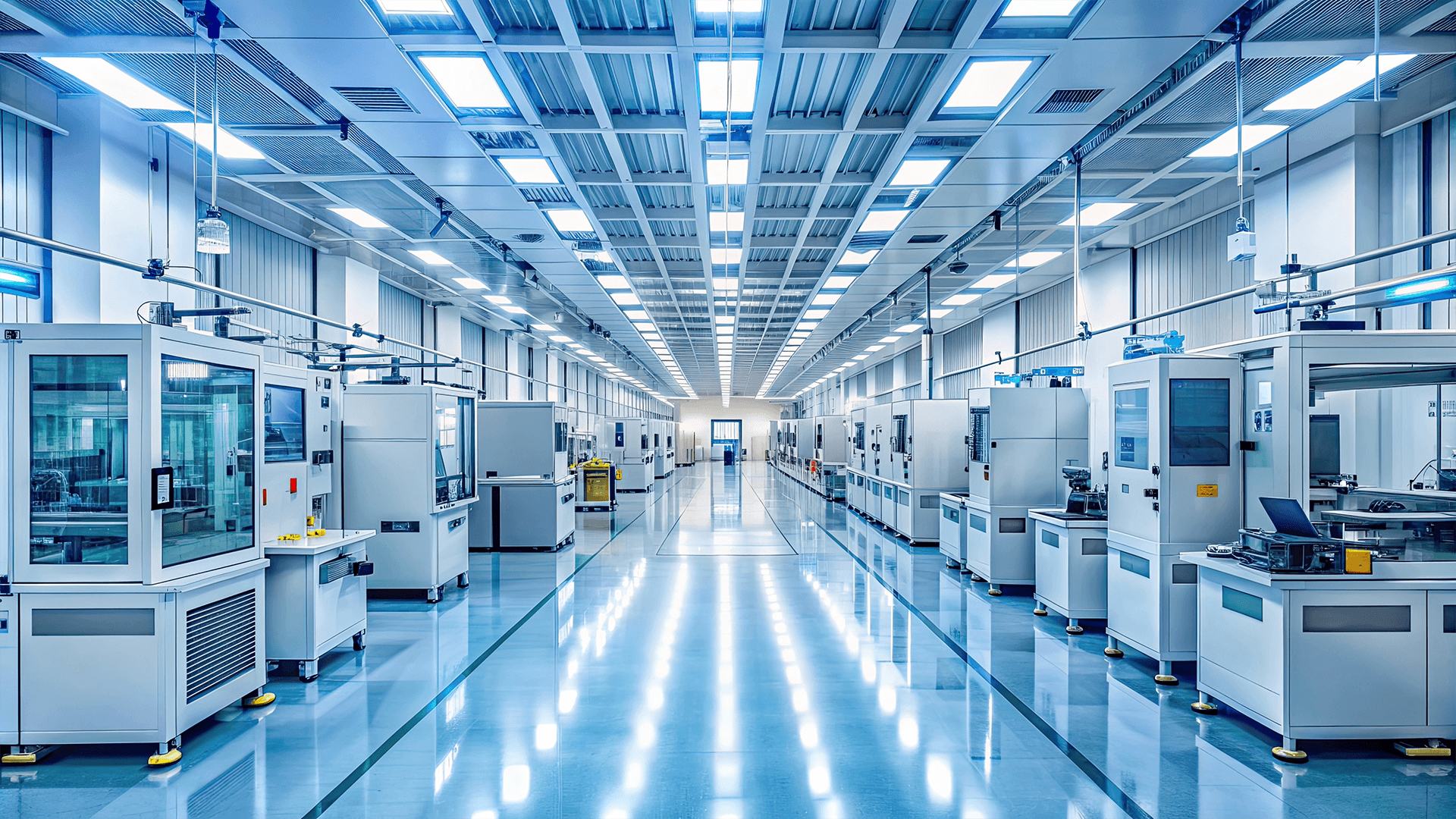
How does a cleanroom work?
The operation of a cleanroom is based on a simple principle: constantly monitoring air flow and air quality. Thanks to very high-efficiency filters (HEPA or ULPA), virtually all particles, bacteria and microorganisms are removed from the incoming air.
There are two possible approaches: positive pressure, which prevents outside air from entering the controlled environment, and negative pressure, which is used to prevent sensitive substances from escaping. In both cases, temperature, humidity and pressure are continuously monitored to maintain an optimal balance.
This system is not merely technical: it has a direct impact on the cleanliness of the environment and the quality of the products manufactured. This is why the cleanroom has become a strategic asset for any sensitive industry.
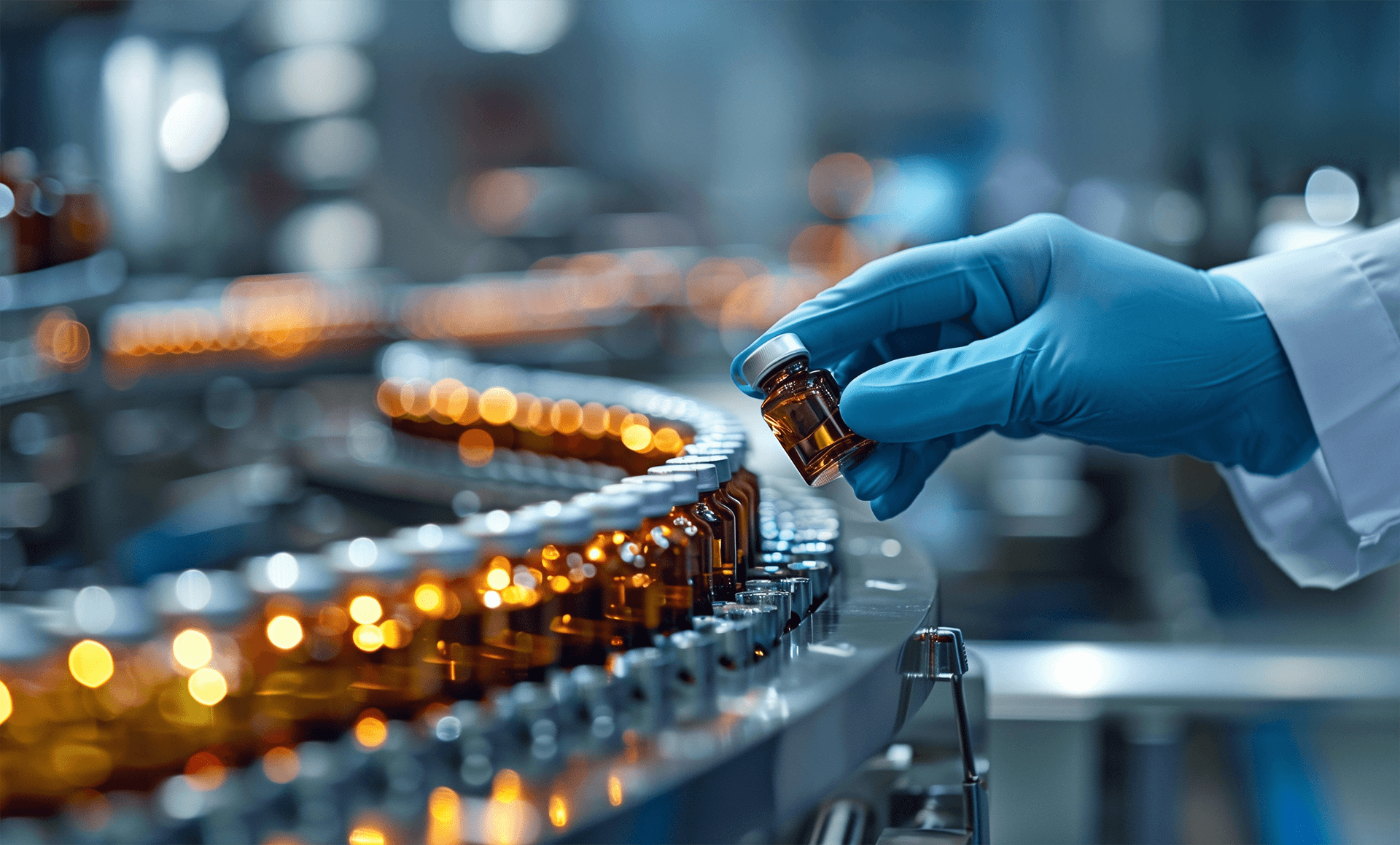
The applicable ISO and GMP standards
The design and use of a cleanroom are based on specific international standards. The best known of these, ISO 14644, defines nine cleanliness classes, ranging from ISO 1 (the strictest) to ISO 9 (close to ambient air). Each level corresponds to a maximum number of particles permitted per cubic metre of air. For example, an ISO 5 room must not exceed 3,520 particles of 0.5 microns, whilst an ISO 7 room allows up to 352,000.
Alongside ISO standards, Good Manufacturing Practices (GMP) set out specific requirements for the pharmaceutical and medical industries. They provide a framework for air flow management, cleaning methods, staff conduct and process traceability.
Compliance with these standards is essential to ensure patient safety and regulatory compliance. It is also a key factor in building trust with partners and health authorities.
Design criteria
of a cleanroom
The design of a cleanroom cannot be left to chance. The materials used must be non-contaminating: no fibres or particles must come loose from the surfaces. This is why walls, floors and ceilings are often covered with special coatings that are easy to clean and resistant to disinfectants.
Corners and joints must be rounded to prevent dust from accumulating, whilst pipework is routed externally to minimise high-risk areas. Finally, a decontamination airlock always separates the cleanroom from standard areas, creating an additional barrier against the ingress of particles.
In short, every aspect has been carefully designed to ensure effective contamination control and to provide an environment that complies with ISO standards.
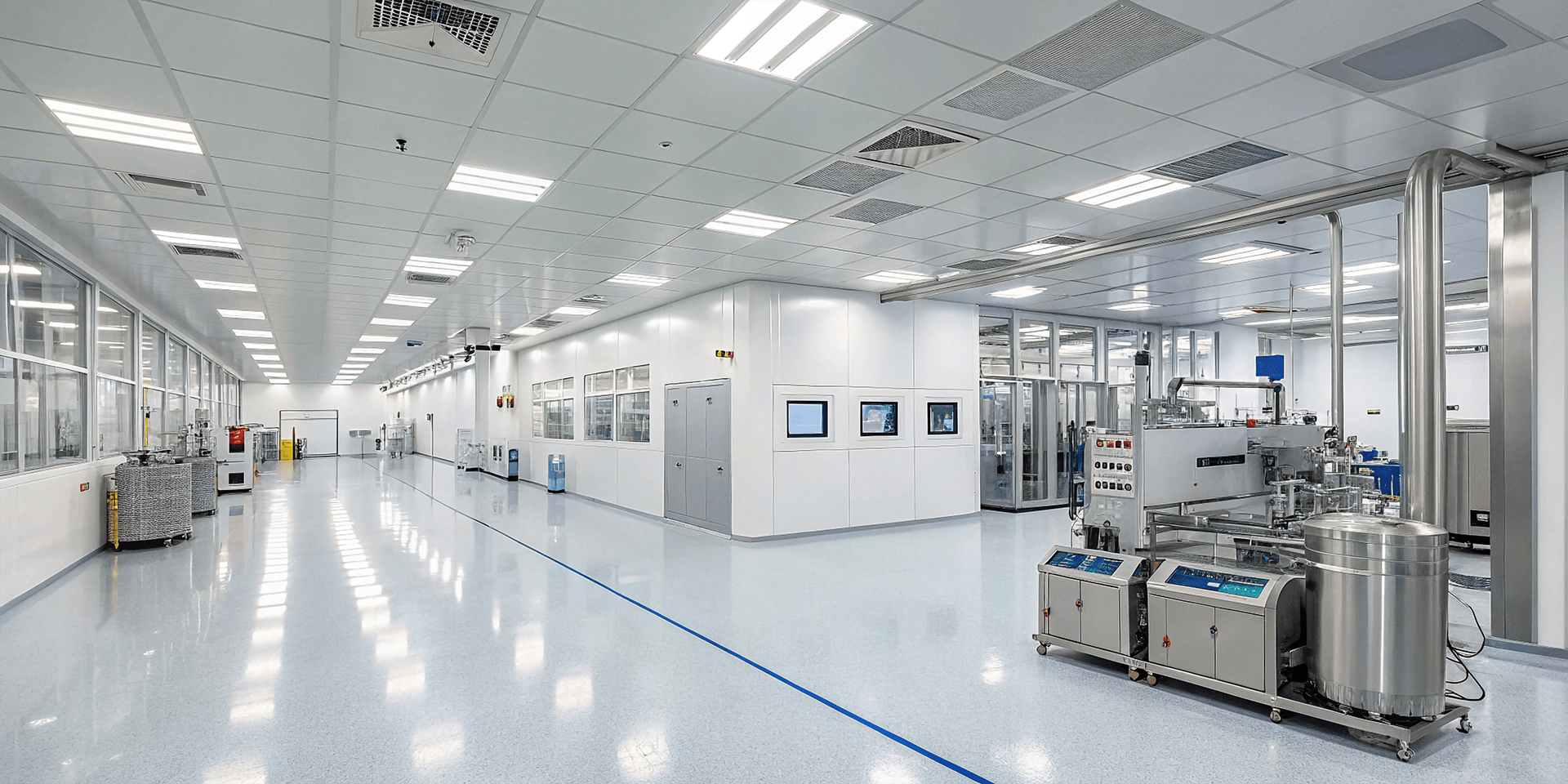
Essential equipment
in a cleanroom
To operate effectively, a cleanroom must be equipped with suitable systems that ensure both process safety and staff protection. Air handling systems, with their HEPA or ULPA filters, form the heart of the system: they ensure constant air circulation and an impeccable level of purity.
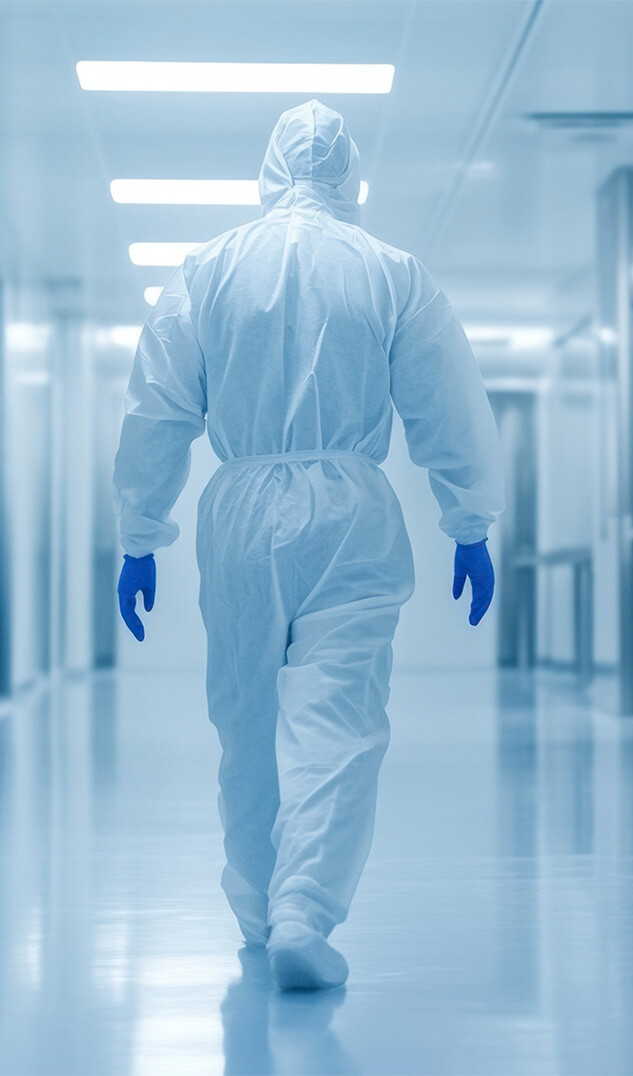
The furniture — tables, storage units and flooring — is designed to be non-contaminating, smooth and easy to disinfect. But the equipment doesn’t stop there: operators must wear appropriate PPE, such as masks, disposable gloves, coveralls and shoe covers, to prevent the introduction of particles or microorganisms.
At Medicom, our range extends from respiratory protection to sterile clothing and low-emission shoe covers. Manufactured in France using recycled materials, these products combine safety, comfort and durability. This ensures a cleanroom that is both high-performing and environmentally responsible.
Discover our facilities
for cleanrooms
Because a cleanroom tolerates no compromises, the choice of equipment is crucial. With over half a century of expertise, Medicom offers certified solutions that are manufactured in France and environmentally friendly.
Masks, gloves, coveralls or overshoes: every product is designed to protect your teams and your processes.
Applications of cleanrooms
Cleanrooms have become indispensable in a wide range of sectors, each with its own specific cleanliness requirements. The pharmaceutical and medical industries use them to manufacture medicines, vaccines and sterile devices. The cosmetics industry uses them to ensure that its sensitive formulations are free from impurities.
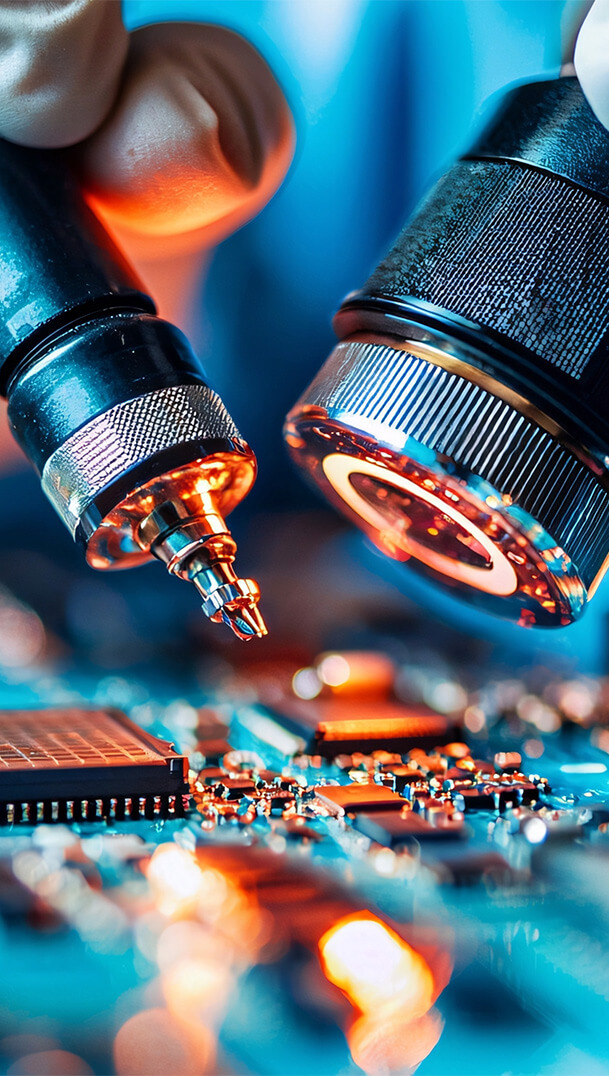
In the electronics industry, they are used to assemble semiconductors and microscopic components, whilst the food and drink sector uses them for the packaging of sensitive products. The aerospace industry, meanwhile, requires controlled environments for the development of critical equipment.
Research, optics or cutting-edge chemistry: the list keeps growing as innovations emerge. Every sector finds the same promise here — consistent quality and uncompromising safety.
Why invest in a cleanroom today?
Investing in a cleanroom is not just a matter of regulatory compliance. It is also a strategic decision to improve product quality, ensure process reliability and build trust among customers and regulatory authorities.
The global market is growing at an estimated annual rate of nearly 7%, reflecting the growing importance of these controlled environments across all sensitive sectors. Increased productivity, reduced risk of contamination and a reputation for reliability: the benefits are numerous.
In a nutshell, the cleanroom is a key driver of competitiveness.
FAQ on cleanrooms
What equipment is mandatory in the clean room?
Masks, gloves, coveralls, shoe covers and sometimes hairnets: all these appropriate PPE items are essential for limiting human-to-human transmission.
How is a clean room certified?
An audit based on the ISO 14644 standard measures the concentration of airborne particles in accordance with the target class. Regular checks then ensure that the required level is maintained.
Which sectors use clean rooms?
Whether it’s pharmaceuticals, electronics, cosmetics, food and drink, aerospace or scientific research: every sector has its own purity standards.