Surgical masks and recycling:
What solutions will there be in 2026?

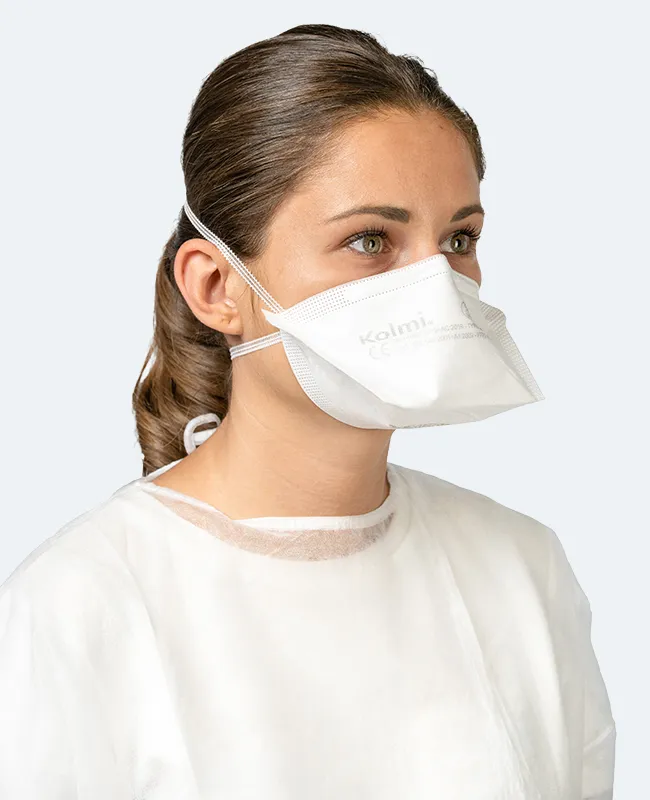
Since the pandemic began, the surgical mask has become a paradoxical symbol: protective for our health, but problematic for the environment.
Every day, millions of masks end up being incinerated or buried, adding to a mountain of waste. Yet the issue of recycling is no longer a secondary concern: it has become a major public health and sustainability issue.
Nowadays, it is no longer enough simply to ask “where should I dispose of my mask?”; we need to look further: how can we reduce its environmental impact, what innovative solutions can we adopt, and, above all, how can we turn this challenge into an opportunity?
This is exactly what we are going to explore, drawing on our CSR commitments and the sustainable innovation of Medicom, a leading French PPE manufacturer.
What you’ll learn in this article:
- The massive environmental impact of disposable masks in France and around the world.
- The practical steps involved in recycling and the current obstacles to its roll-out.
- Examples of recycling that give polypropylene a new lease of life.
- Reliable alternatives: certified reusable masks, bio-based innovations.
- Medicom’s solutions and initiatives for a more sustainable future.
How are face masks collected and recycled
these days?
The journey of a used face mask is far from straightforward. For members of the public, the guidance is clear: never put them in the recycling bin.
Masks must be placed in a sealed bag and then disposed of with household waste. This is a strict but essential procedure to minimise any risk of infection from pathogens that may still be present.
In workplaces and public spaces, there is a growing trend towards installing dedicated collection points. These facilities enable large quantities to be collected and prevent them from being scattered. Once collected, the masks generally follow a multi-step protocol:
Recycling into plastic pellets, ready for use in new production lines.
- Quarantine to eliminate any residual viral risk.
- Sanitisation by sterilisation or heat treatment.
- Separating the components: removing the elastic bands and metal clips.
- Polypropylene grinding and recycling.
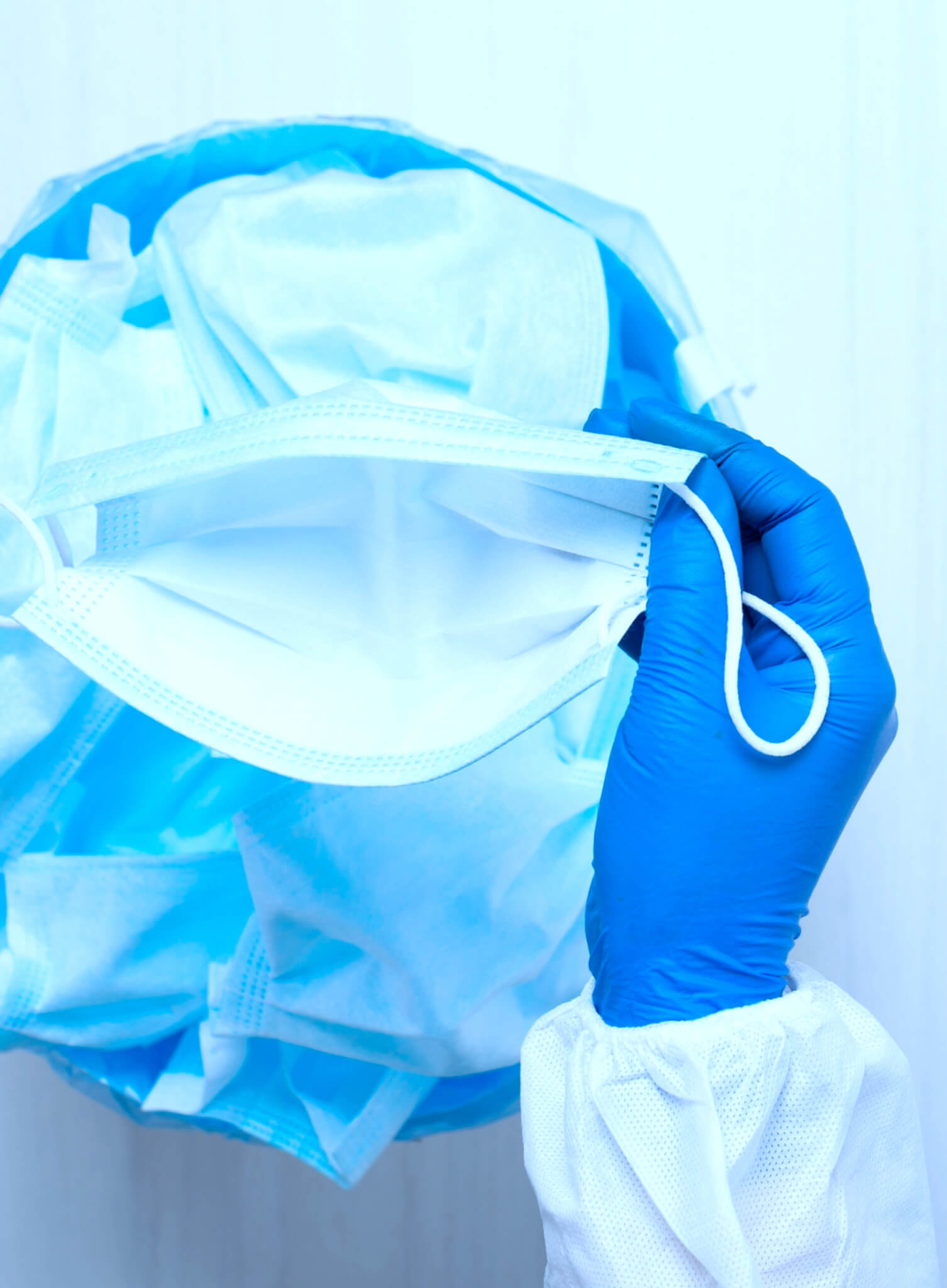
In hospitals, masks are classified as infectious medical waste: they must be collected in sealed containers and then incinerated at high temperatures or, less commonly, sterilised before being used for energy recovery.
The main problem? The exorbitant cost of processing (generally between €1,500 and €3,000 per tonne in 2025, which is several times higher than the cost of processing conventional plastic waste (around €400–500 per tonne)), combined with a lack of suitable sorting infrastructure. In other words, recycling does exist, but it remains limited, costly and far from widespread.
In short: whilst the collection and processing of surgical masks is feasible, it still requires a properly structured national framework and innovation to become viable on a large scale.
Practical examples of value creation
When a surgical mask is collected and processed correctly, its main material – polypropylene – can truly be given a new lease of life. After being shredded and turned into granules, it can be reused in a variety of sectors.
Here are a few telling examples:
- Everyday objects: rulers, coat hangers, visors and even syringes.
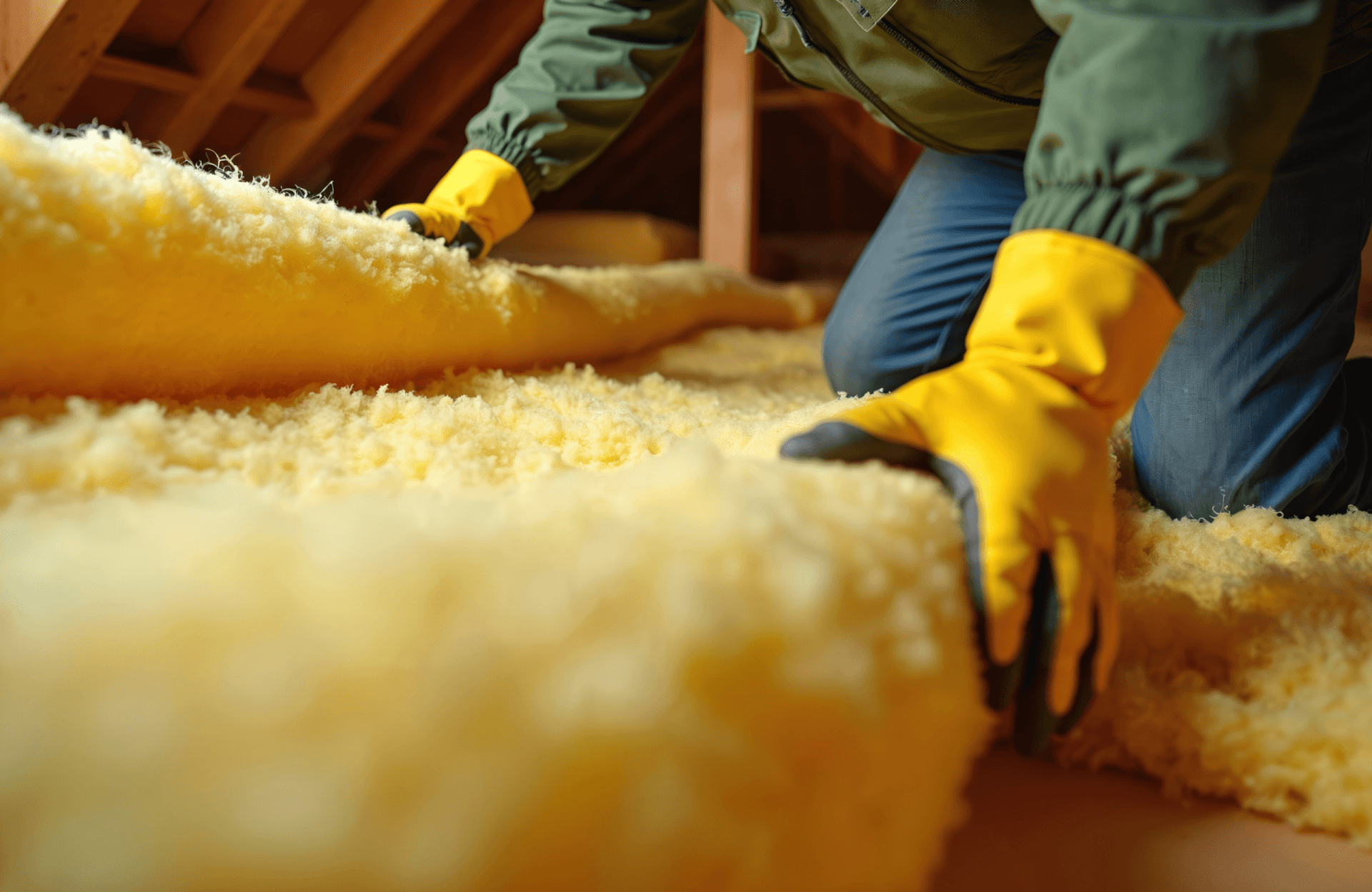
- Insulation materials used in construction to reduce energy consumption.
- Technical textiles, such as workwear or sportswear, produced using regenerated fibres.
- The automotive industry, where recycled polypropylene is used in dashboards and bumpers.
- Innovative infrastructure: in Australia, researchers are already incorporating it into road surfaces, proving that there is no shortage of applications.
What are the alternatives to disposable surgical masks?
Given the limitations of recycling surgical masks, another question arises: how can we reduce the amount of waste produced at source? Several alternatives exist, but we still need to distinguish between reliable options and false solutions.
The most common type remains the certified reusable mask. Unlike the banned homemade masks, these models are approved by the DGA (Directorate General of Armaments), AFNOR or IFTH. Their filtration performance is tested, they can withstand dozens of washes, and their carbon footprint is significantly lower than that of a disposable mask. In short: they combine safety and sustainability.
Other avenues are emerging, such as bio-based masks made from plant fibres or materials that are compostable under industrial conditions. Although innovative and promising, they are still in their infancy: their filtration performance and availability on a large scale have yet to be confirmed.
The choice therefore depends on the context:
- In hospital settings or high-risk environments, single-use surgical masks remain essential.
- In traditional work environments, certified reusable items appear to be the best option.
- In the future, bio-based solutions could round out the range.
Reduce, reuse, innovate: that is how we can truly limit the mountain of plastic waste generated by face masks.
Local initiatives and business solutions
The recycling of face masks can only succeed through collective action. An individual alone discards too few masks to sustain a recycling chain, but a business or local authority, on the other hand, can generate a significant volume. This is why numerous local initiatives have emerged since 2021: collection points installed in lobbies, partnerships with specialist SMEs, and regional programmes supported by ADEME.
For businesses, this approach goes far beyond simply disposing of waste: it is part of a broader commitment to corporate social responsibility. Dedicated collection points not only ensure that waste is collected safely, but also demonstrate the company’s environmental commitment to staff and customers.
It is in this context that Medicom stands out. With its Eco Logic Recycling Box, Medicom offers a turnkey solution for the collection and recycling of PPE (masks, gloves, gowns). Thanks to its Mass Balance process, up to 70% of recycled materials can be reintroduced into the production of new masks, thereby reducing the carbon footprint and strengthening French industrial sovereignty.
Businesses have a key role to play. And practical solutions already exist to turn a constraint into a driver of sustainability.
What do the regulations say?
The recycling of surgical masks is not merely a technical or environmental issue: it is also a regulatory matter. In France, the health authorities emphasise a key rule: used masks must never be placed in the yellow bin. They must be disposed of as household waste or, in some cases, as infectious medical waste (DASRI).
In a hospital setting, regulations require strict management:
- storage in sealed containers, collection by an authorised company,
- disposal by incineration or sterilisation. For healthcare facilities, this is a legal requirement designed to protect healthcare workers, patients and the environment.
For healthcare facilities, this is a legal requirement designed to protect healthcare workers, patients and the environment.
As regards standards, it should also be noted that surgical masks are governed by standard EN 14683 (medical devices, EU Regulation 2017/745) and that FFP-type masks fall under EU Regulation 2016/425 on personal protective equipment (PPE). These regulations define minimum performance requirements, but also influence waste management, as they determine product traceability and compliance.
In short: recycling is fine, but it must always comply with a strict and precise legal framework.

Future prospects:
towards wider recycling of PPE
Whilst the recycling of surgical masks remains a complex issue today, it paves the way for a broader discussion: how should we deal with all single-use PPE, from gowns and hairnets to gloves? These volumes amount to thousands of tonnes every year, and the current recycling systems are not sufficient.
Solutions are nevertheless emerging. Some companies are trialling the recycling of engineering plastics from gloves and lab coats; others are exploring bio-based and compostable materials to reduce their environmental impact right from the design stage. Medicom, for its part, is already committed to this approach: eco-design, industrial reshoring and reducing its carbon footprint are guiding its innovations.
It is not just a question of recycling after use, but of rethinking the design of PPE so that recycling is built in from the outset.
Not all of the PPE items listed on this page are certified as PPE in accordance with Regulation 2016/4255.
Towards sustainable protection with Medicom
The facts are clear: recycling surgical masks remains a challenge, but it is a key means of limiting the environmental impact of plastic waste generated by the health crisis. Solutions do exist – dedicated collection schemes, polypropylene recovery, reusable alternatives – and they are just waiting to be scaled up.
Medicom is firmly committed to this approach, developing practical and innovative solutions: the Eco Logic Recycling Box, the Mass Balance process, and the eco-design of more sustainable products. These initiatives are all part of a long-term vision: to protect healthcare professionals whilst safeguarding the planet.
Want to take action now? Discover our range of eco-designed recycling and PPE solutions. Contact our experts for tailored support and join the movement towards sustainable protection.