


Paramedic PPE
Comprehensive guide and selection
PPE for paramedics is not merely an accessory: it provides an essential barrier between the risks of the job (splashes, aerosols, biological or chemical agents) and the safety of both healthcare professionals and patients. Choosing PPE that complies with regulations and is manufactured in France therefore guarantees reliability and peace of mind.
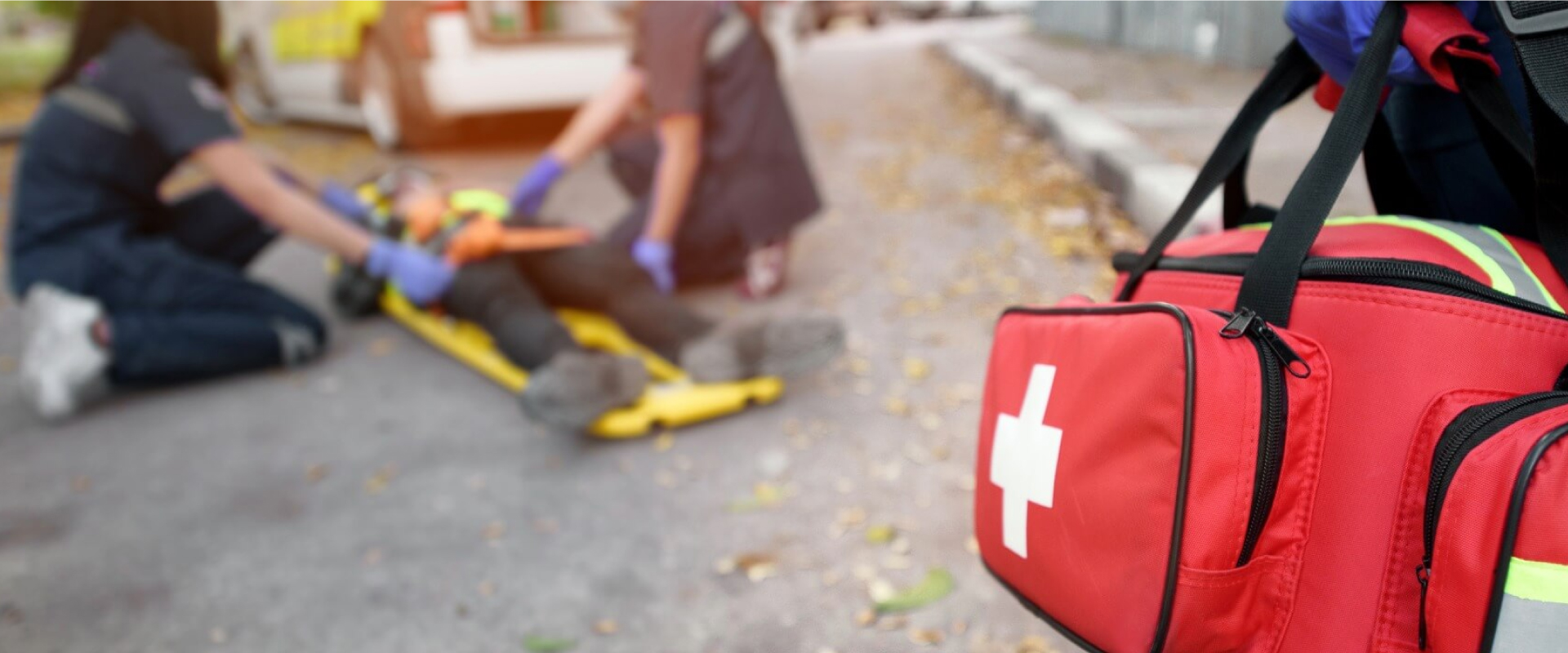
What equipment is compulsory for paramedics?
Since the decree of 10 February 2009, supplemented by subsequent updates, the uniform for paramedics has consisted of: trousers, a top (polo shirt or T-shirt, etc.), and a jacket suitable for emergency call-outs.
The main colour must be white or blue, and the uniform must incorporate retro-reflective strips to ensure that personnel on duty can be immediately identified and are clearly visible.
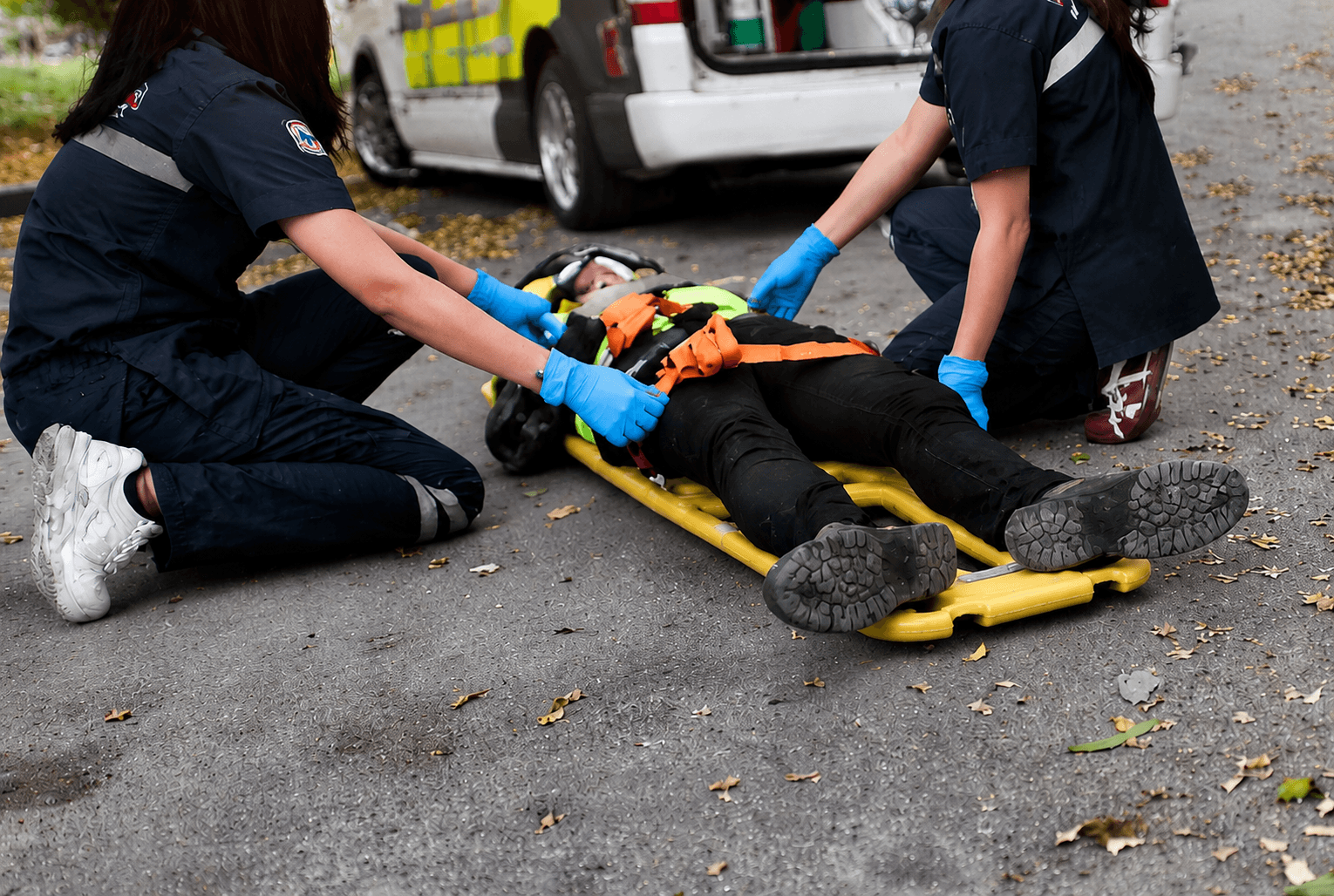
Disposable PPE is essential for protecting patients and paramedics
Masks, gloves, coveralls, shoe covers and gowns: this personal protective equipment ensures safety, hygiene and comfort during procedures. With Medicom, every product combines reliability, compliance and optimal protection.
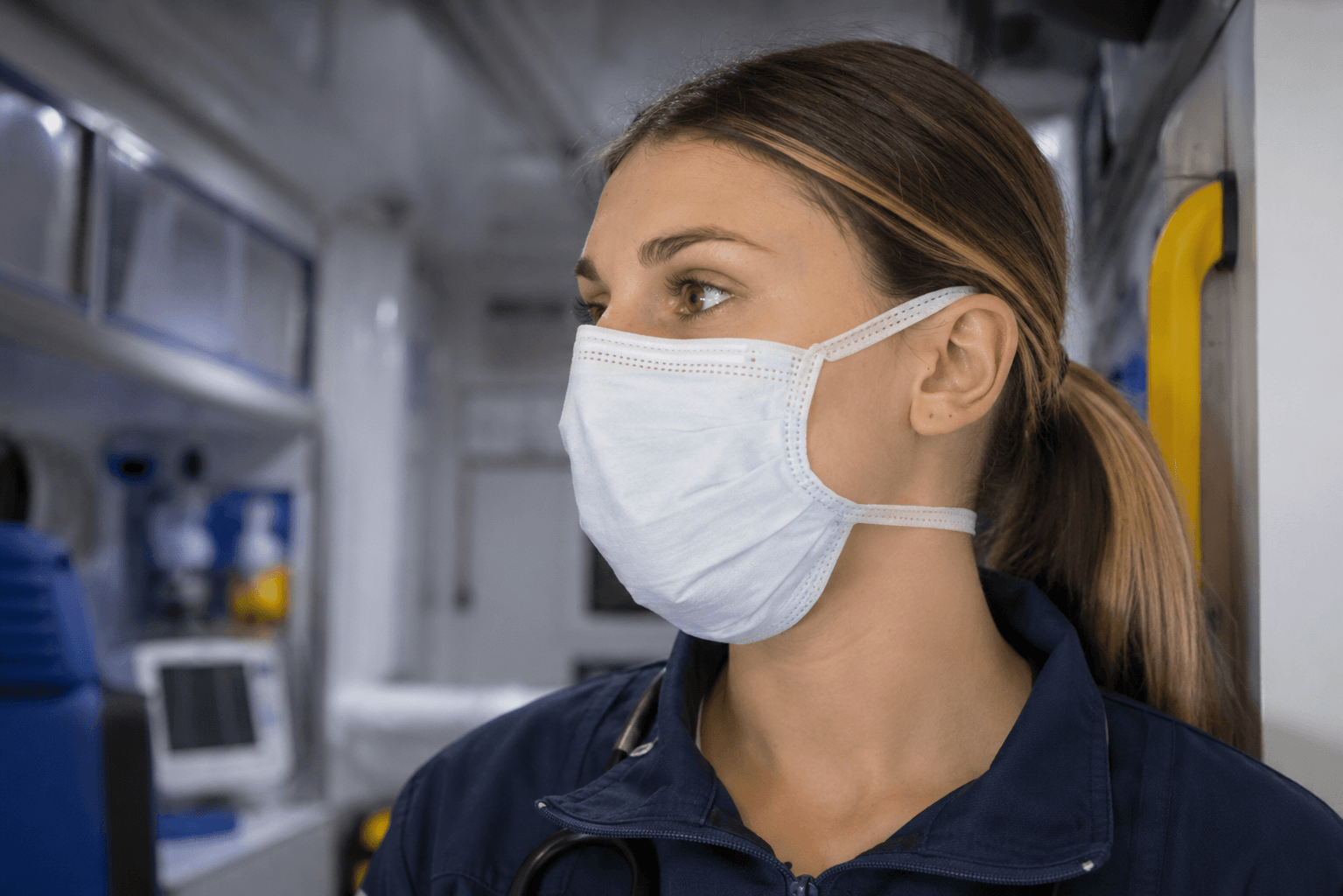
Kolmi® Softex medical face masks
Compliant with the EN 14683 standard, Kolmi® Softex medical masks ensure the protection of patients and healthcare workers. Manufactured in France, they offer high-performance filtration, optimal breathability and comfort for everyday use. A safe choice for every procedure.
Kolmi® Oxygen respiratory protection masks
Compliant with standards EN 149 and EN 14683, Kolmi® Oxygen FFP masks (FFP1, FFP2, FFP3) are dual-certified: PPE Category III and Class 1 Medical Device. They protect against viruses and aerosols, ensuring a precise fit and long-lasting breathing comfort, and incorporate recycled materials. Reliable and responsible protection.

Kolmi® Coverfeel nitrile gloves
Certified as Class I medical devices and Category III PPE, Kolmi® Coverfeel nitrile gloves offer comfort, dexterity and durability. Available in sizes XS to XXL, they provide reliable protection against biological hazards. As single-use gloves, they effectively reduce cross-contamination during procedures. An essential item for any paramedic.
Medicom Safetouch® Slim Gloves
Safetouch® Slim gloves (Class I medical device, PPE Category III), which are latex-free, offer flexibility, comfort and excellent grip. Available in sizes XS to XL, they are suitable for medical procedures and ambulance call-outs, where protection against biological hazards is essential. As they are single-use, they reduce cross-contamination and ensure optimal hygiene.
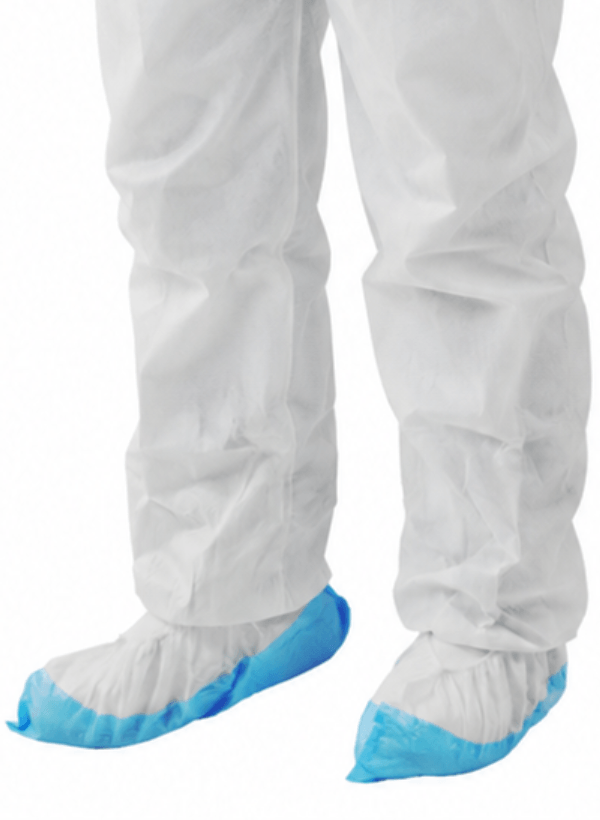
Kolmi SkidGuard overshoes
Kolmi Skidguard shoe covers, featuring a 60-micron sole, are perfectly suited to the day-to-day work of paramedics. They provide effective protection against dirt and contamination whilst offering a good balance between durability and comfort. Their non-slip sole ensures safe movement on a variety of surfaces (indoors and outdoors), making them an ideal solution for frequent and rapid use during patient care.
Kolmi IsoGuard overshoes
The Kolmi Isoguard overshoes are thicker and designed for high-risk situations, particularly where biological fluids are present or in particularly exposed environments. Their reinforced construction ensures a better seal and superior durability, meeting the requirements of the most sensitive operations. They are therefore the preferred choice for paramedics seeking the highest level of protection without compromising on safety.
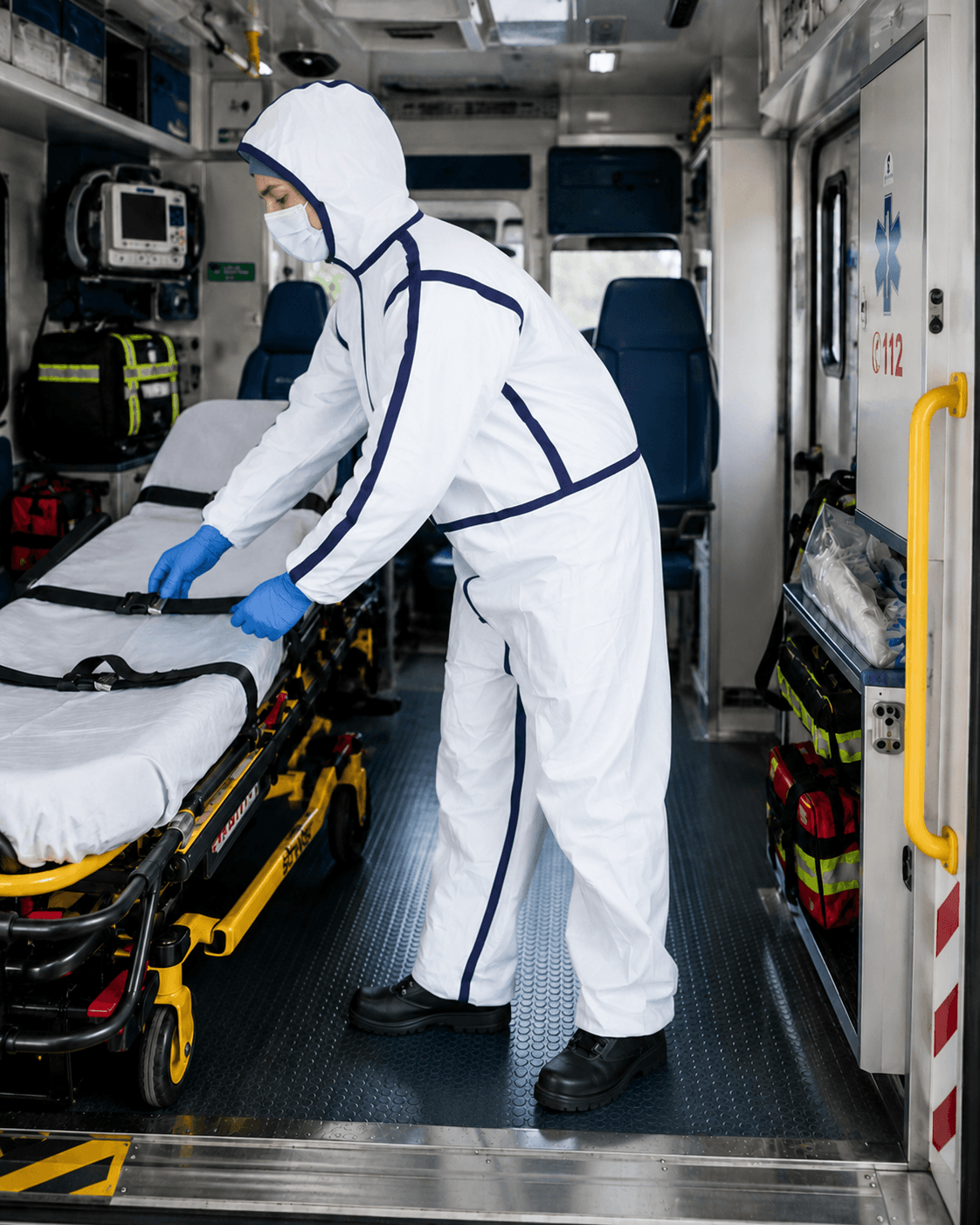
WeePro® and SafeWear® lab coats and protective clothing
The protective gowns available for paramedics come in two performance levels, depending on the requirements of the operation. The polypropylene models offer simple and effective protection against soiling, making them ideal for routine, short-term situations. For more high-risk environments, particularly where biological fluids are present, microporous gowns provide a reinforced barrier whilst maintaining good breathability.
This combination ensures that all health and safety requirements for medical transport are effectively met.
How should you choose your PPE depending on the situation?
PPE for ambulance crew must be appropriate for each call-out in order to ensure protection, hygiene and risk management. The choice depends mainly on the level of exposure and the environment.
- Airborne risks and close contact: use an FFP2 mask complying with EN 149 for aerosol filtration, or a surgical mask complying with EN 14683, to limit transmission and protect the patient.
- Risks from splashes and biological fluids: use nitrile gloves compliant with EN 374 for protection against chemical and biological agents, in combination with lab coats or coveralls compliant with EN 14126, made of polypropylene for standard protection or microporous material for enhanced protection.
- Hygiene and surface contamination: wear disposable shoe covers to prevent the spread of contaminants between the outside, the home and the ambulance.
- Operations in sensitive environments: combine a face mask, gloves, a gown and shoe covers to ensure a comprehensive level of protection in line with health protocols.
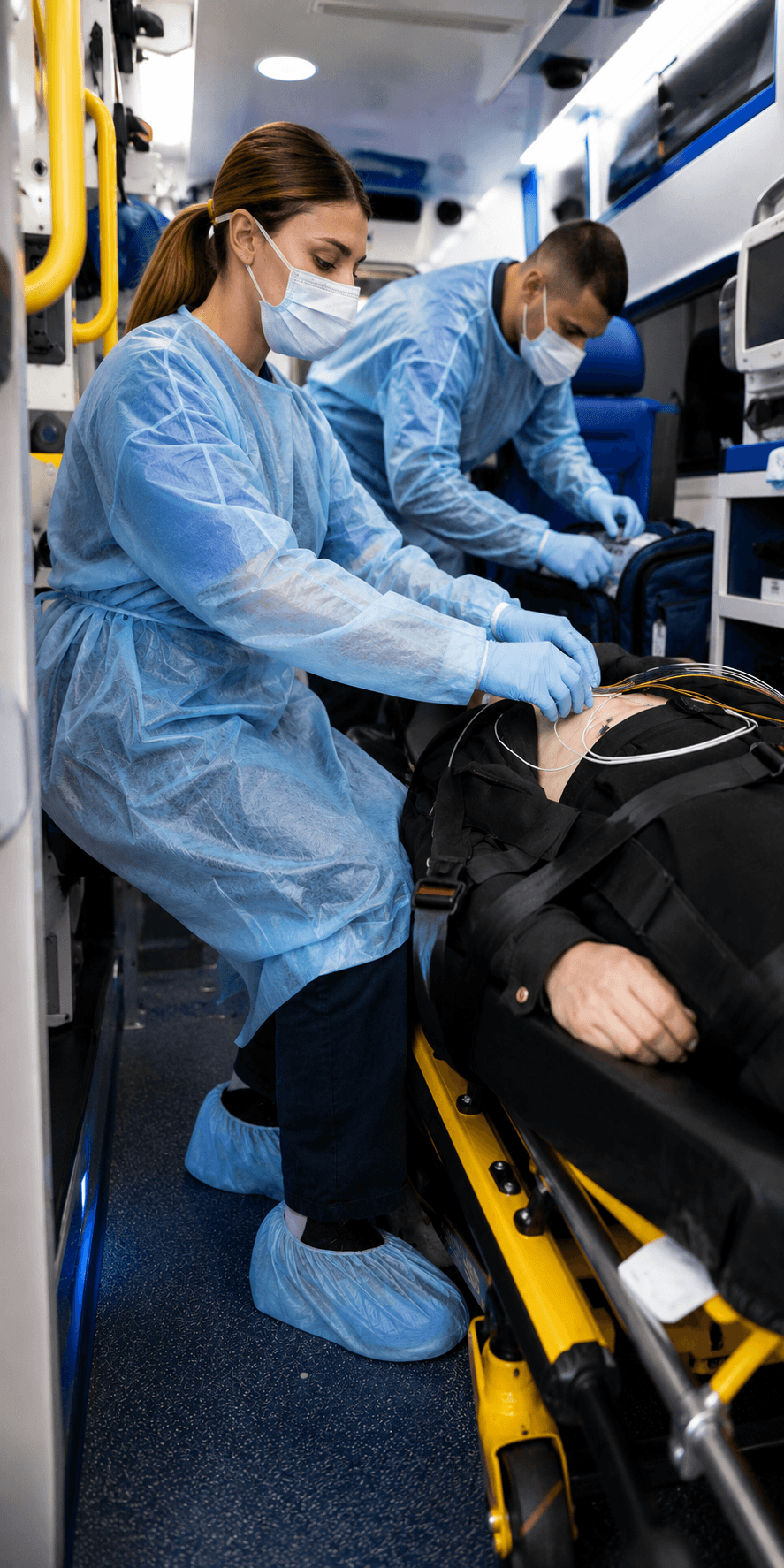
In practice: wearing the right PPE helps to ensure safety during every task, whilst guaranteeing hygiene and efficiency on a day-to-day basis.
Medicom, experts in PPE for the healthcare sector
Medicom manufactures a wide range of protective products in France that are certified as Class I medical devices (DM) and Category II personal protective equipment (PPE). The company is committed to an ambitious CSR strategy, incorporating eco-design (recycled materials, optimised logistics) and a partnership with Eco’Logic Recyclage to give products a new lease of life.
Our sites are ISO-certified and are signatories to the United Nations Global Compact, guaranteeing quality, traceability and sustainability.
Choose Medicom for your PPE
With Medicom, every item of PPE for ambulance crews is synonymous with safety and reliability. Put your trust in our French expertise – ask for a quote tailored to your needs.
Not all PPE items mentioned on this page are certified as PPE in accordance with Regulation 2016/425.