


Personal protective equipment (PPE) for the sanitation sector
Jobs in the water and wastewater sectors are subject to numerous risks, particularly biological and chemical ones. Personal protective equipment must be suitable for the substances present in wastewater and those required for water treatment. Staff must also contend with the risk of heavy liquid splashes during pipe leaks.
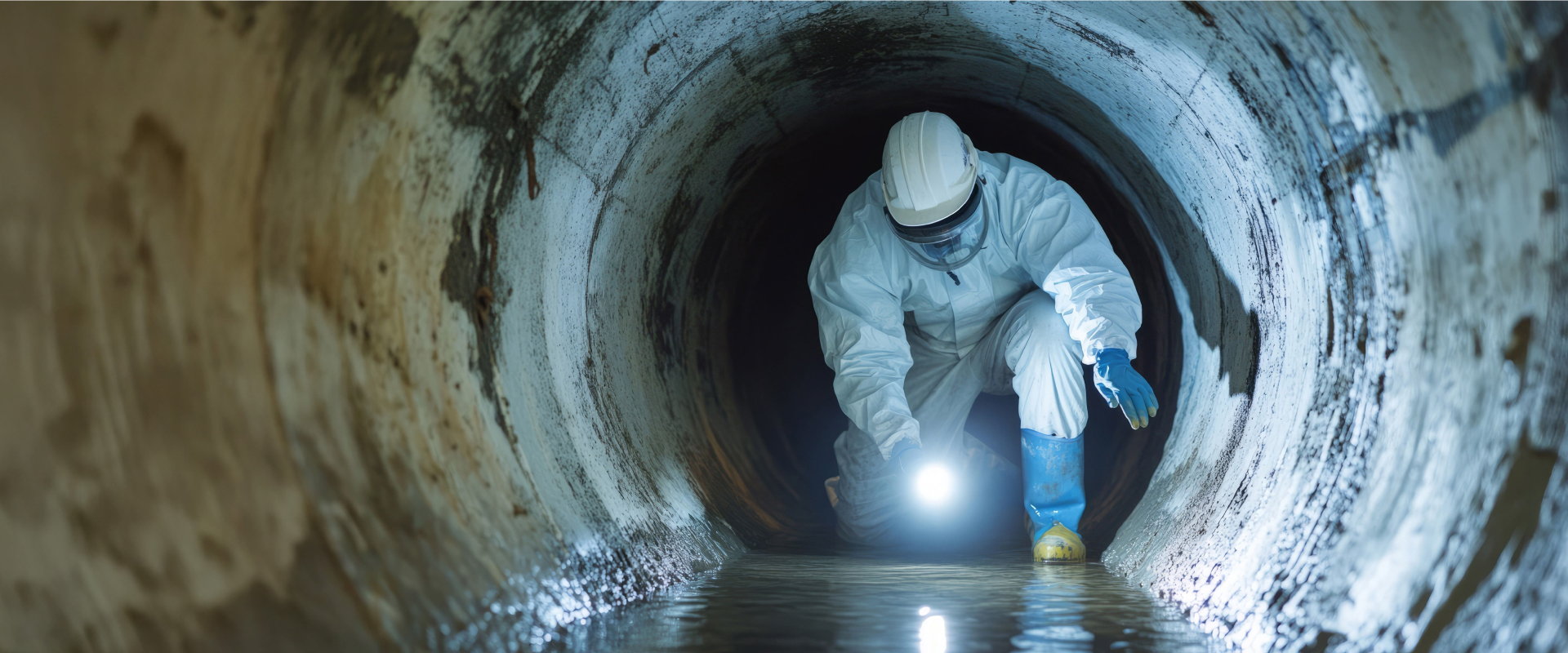
The main risks associated with the water and sanitation sector
Among the most common hazards are contact with pathogenic biological agents (bacteria, viruses, parasites), exposure to toxic substances, fumes from harmful gases (such as hydrogen sulphide), as well as physical hazards such as slips, falls or injuries resulting from the use of heavy machinery.
To ensure their safety and prevent infection, professionals must have access to suitable personal protective equipment (PPE).
Chemicals carried in wastewater and water treatment
Wastewater contains a variety of chemicals, such as heavy metals, hydrocarbons, pesticides and pharmaceutical residues, which may be toxic, corrosive or carcinogenic. These substances expose workers to risks of poisoning, irritation or chronic effects.
To minimise these risks, companies must comply with strict standards, in particular those set out in the Environment Code and the European Water Framework Directive, which require the monitoring of discharges and the use of appropriate treatment methods.
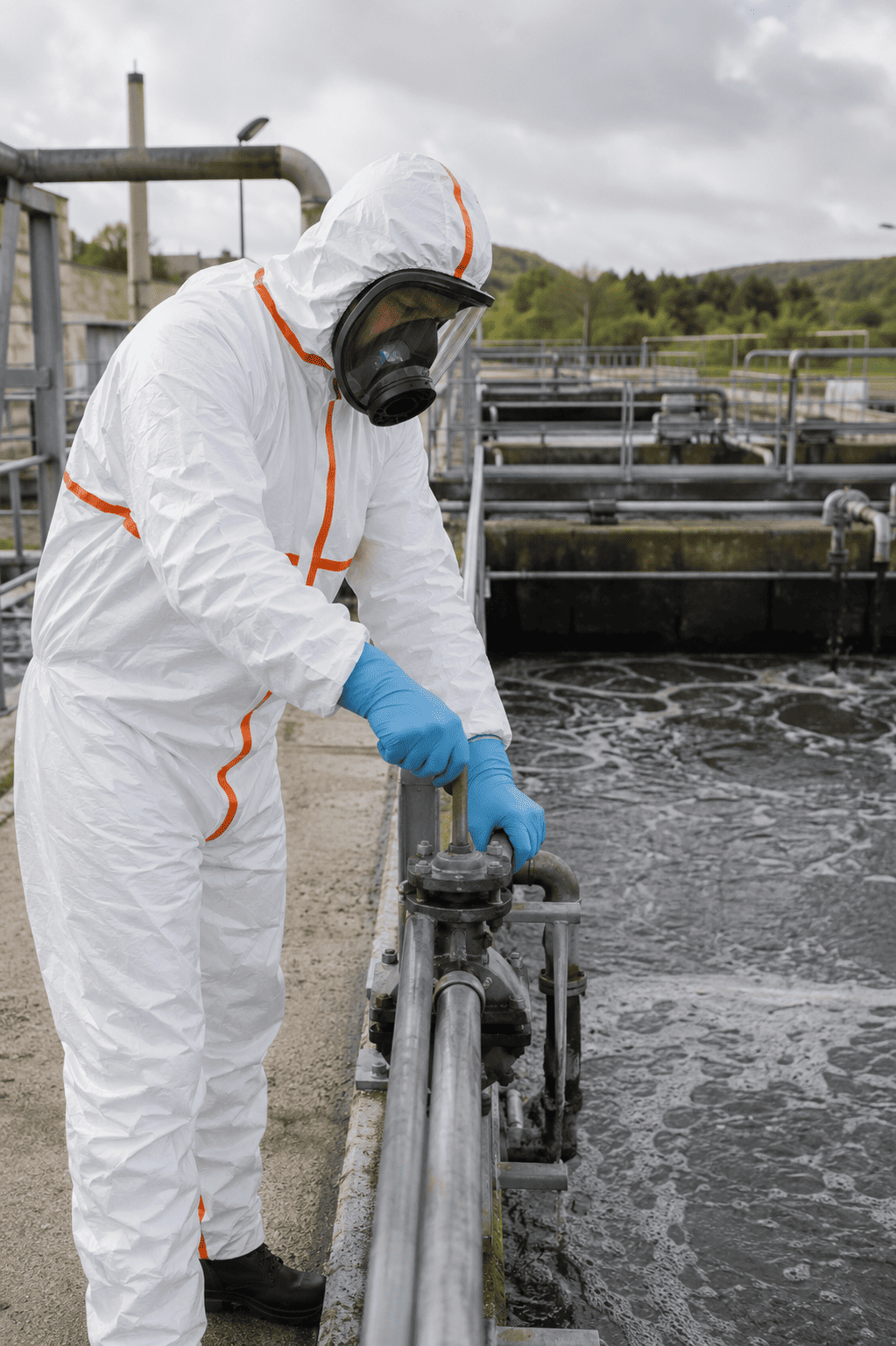
Biological agents in wastewater
Wastewater is teeming with biological agents such as bacteria, viruses, fungi and parasites, which can cause serious infections or respiratory, skin and gastrointestinal diseases in exposed workers. The risk of contamination is particularly high during maintenance work or when handling the wastewater directly.
To prevent these hazards, companies must comply with the health and safety standards in place, such as those set out in the Labour Code and the WHO’s recommendations, by ensuring rigorous management of biological risks. Wearing PPE (gloves, masks, coveralls) and regular training are essential to protect workers effectively.
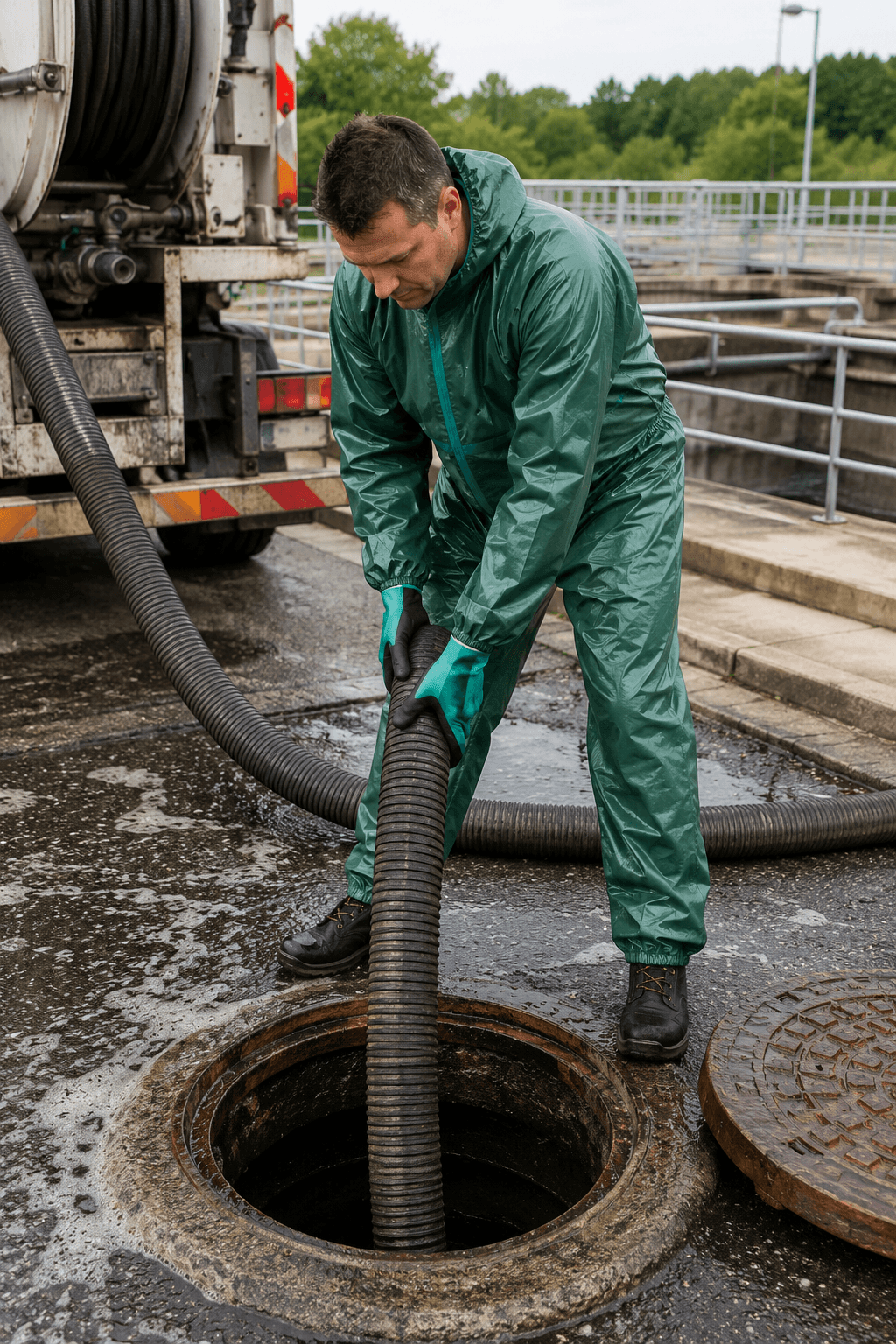
Which jobs in the sanitation sector are considered high-risk?
Sewerage worker
Sewage workers are exposed to the risk of biological infections caused by pathogens in sewage, chemical burns from cleaning products, and physical injuries resulting from falls or from handling heavy equipment in unsanitary environments.
Drain cleaner
Sewer workers face risks of exposure to biological agents, injuries caused by heavy or high-pressure equipment, and accidents in confined spaces, such as falls or respiratory problems due to poor air quality.
Sewage truck driver
Sewerage drivers are exposed to physical risks associated with high pressure, injuries caused by contact with toxic substances, and road traffic accidents, whether they are out in the field or carrying out pumping and cleaning operations.
Which jobs involve risks in the wastewater treatment sector?
Water quality officer
Water quality officers are exposed to risks associated with wastewater treatment products, as well as biological risks arising from contact with potentially contaminated wastewater and sludge. Work on heavy machinery also presents mechanical hazards, such as injuries or accidents during repairs and maintenance.
Water treatment plant operator
Operators of such equipment face the same chemical risks, particularly when handling treatment products, as well as biological risks associated with exposure to wastewater. In addition, mechanical risks are present during inspections and maintenance work on valves, pumps and filters.
Drinking Water Treatment Technician
Technicians face risks associated with the preparation and handling of treatment reagents, biological risks arising from water and pathogens, and mechanical hazards during equipment maintenance and repair work.
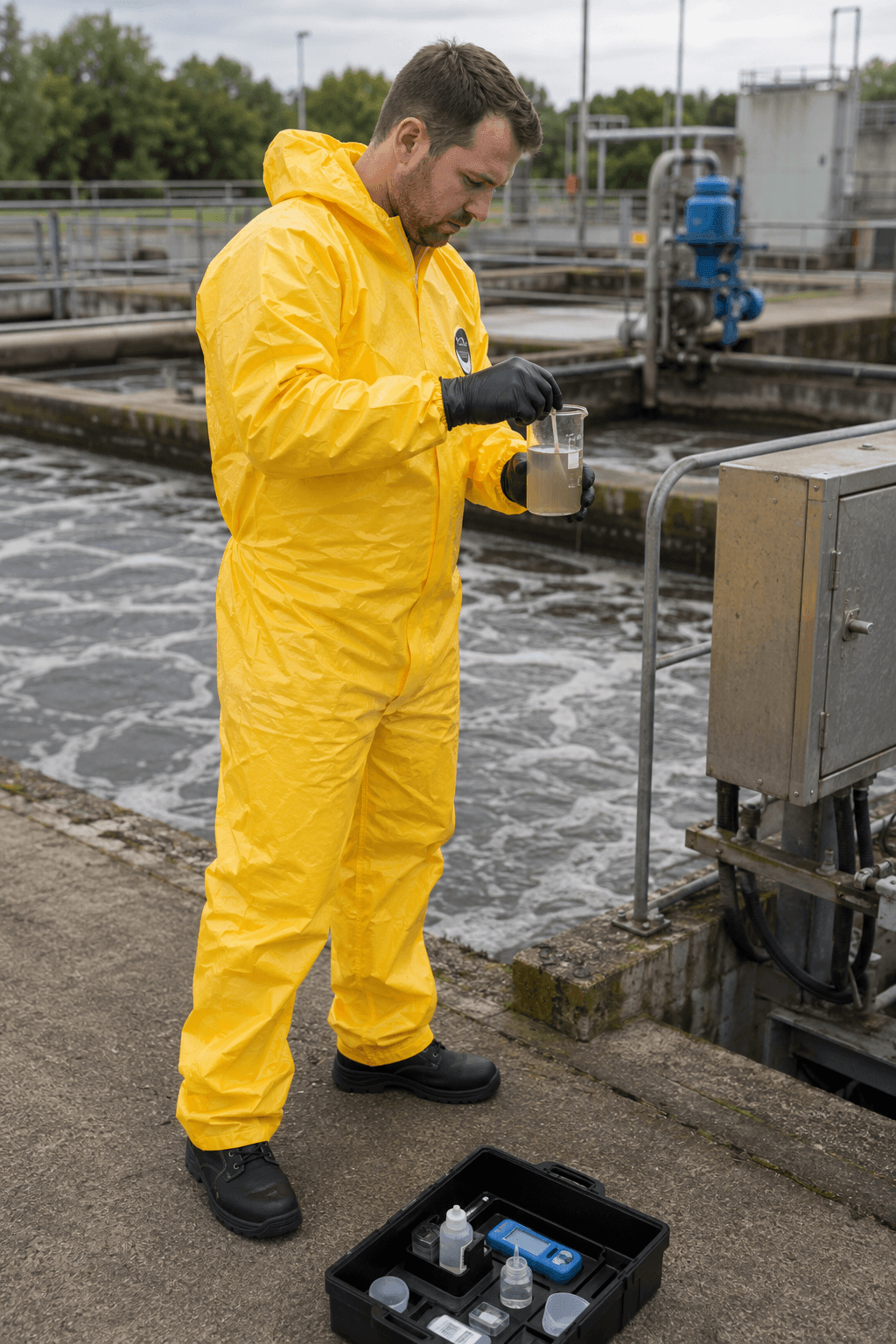
What PPE should you choose to protect yourself against the risks associated with the sanitation sector?
The choice of PPE must take into account the risks, working conditions (humidity, heat, confined spaces) and the regulations in force. An effective selection is based on an assessment of the specific hazards associated with each task, ensuring that the PPE complies with safety standards and is comfortable for prolonged use.
Jumpsuits
Coveralls protect the whole body against pathogens, chemicals and splashes of contaminated liquids. They provide an essential barrier to limit any direct contact with hazardous substances in the environment.
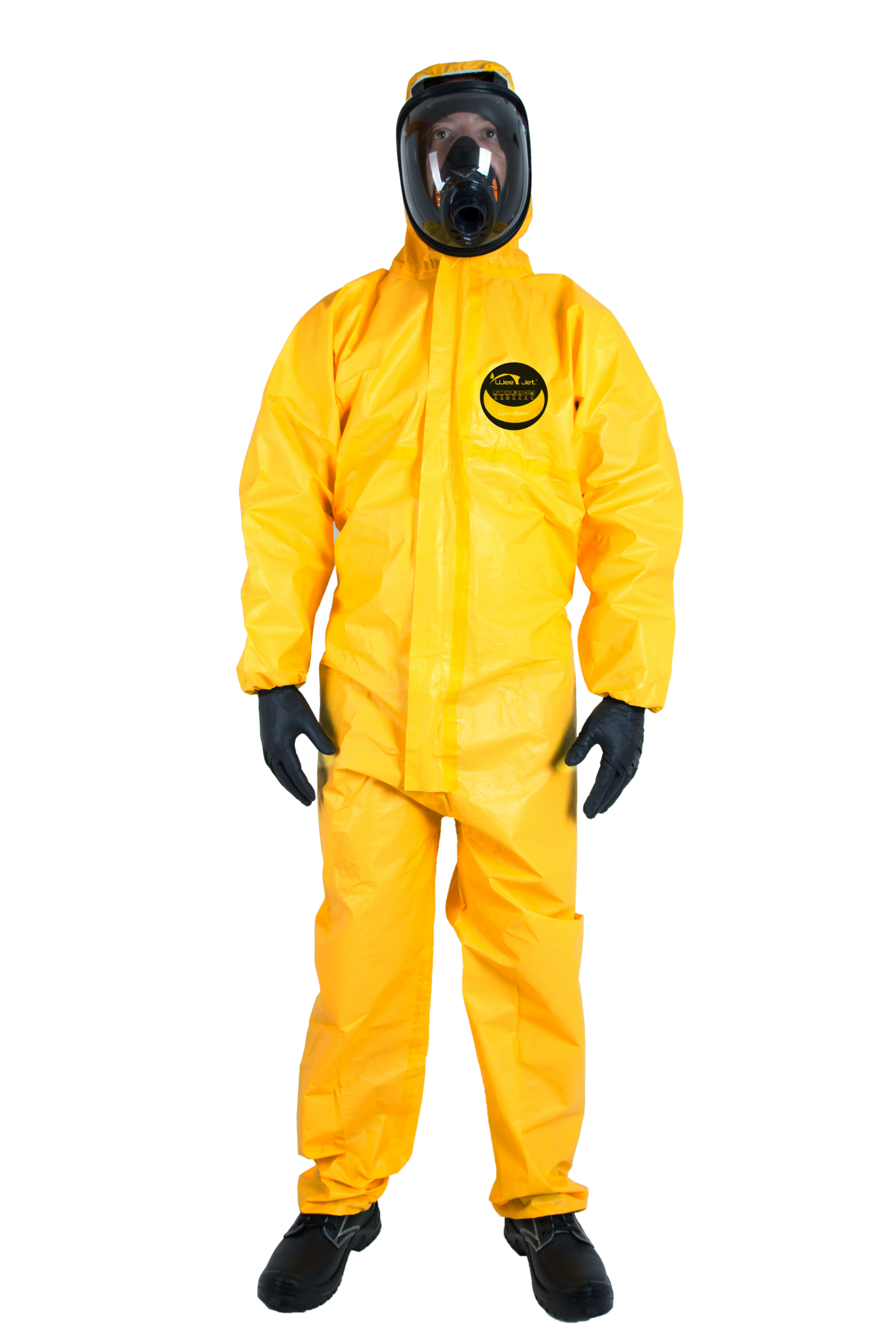
WeeJet
Enhanced protection against splashes of contaminated liquids, ideal for sewerage works, drain cleaning or operations in exposed environments. Waterproof and antistatic, this Type 3 coverall effectively prevents liquid ingress thanks to its heat-sealed seams and provides a continuous barrier, particularly at the points where it meets the gloves.
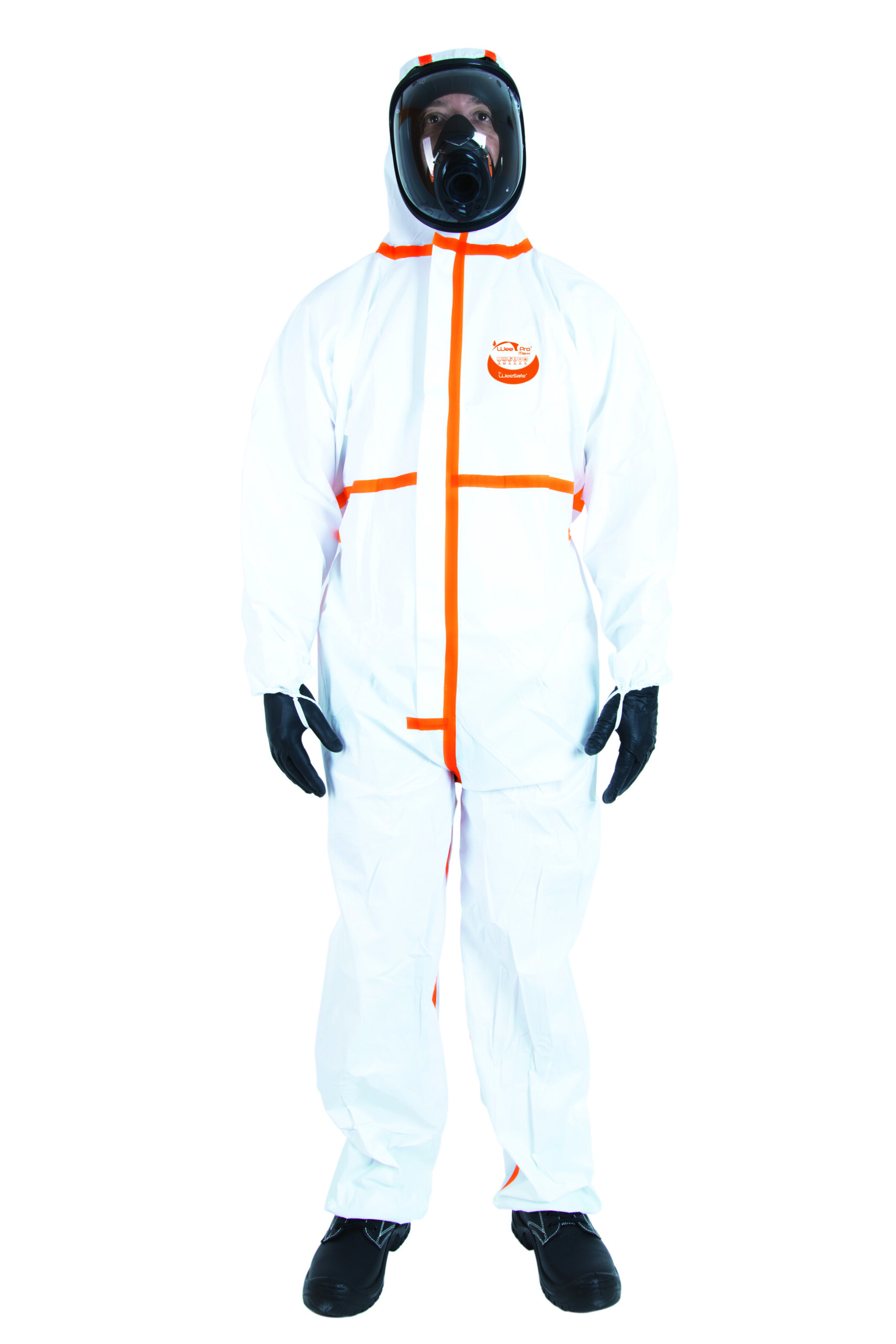
WeePro Max+
Effective protection against splashes of contaminated liquids and aerosols, suitable for use in sanitation or high-risk environments. Featuring heat-sealed, watertight seams and an antistatic treatment, this Type 4 coverall provides a reliable barrier whilst maintaining comfort and freedom of movement, even during prolonged use.
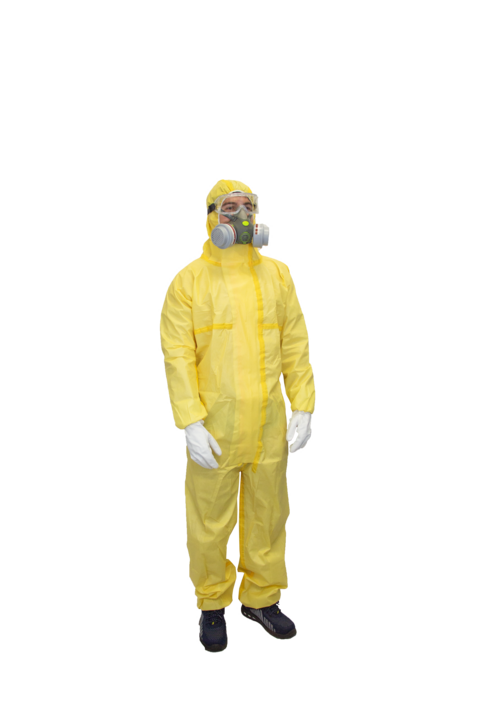
WeeJet Lite
Lightweight and quiet, it offers a perfect seal thanks to its heat-sealed seams and double adhesive flap. Its zip with a pull tab makes it easy to use whilst wearing thick gloves. Compliant with standards for protection against biological hazards and solid radioactive particles, it is ideal for work in the sanitation and wastewater treatment sectors.
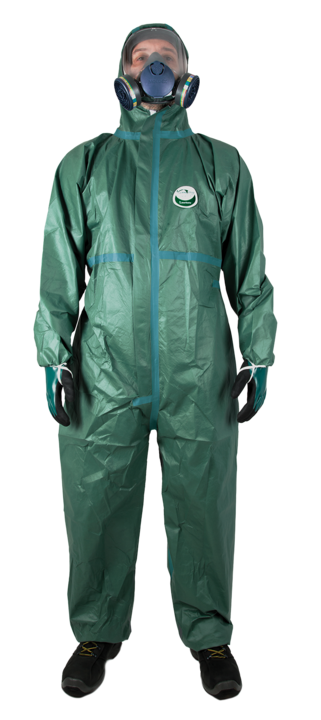
WeePro Max Green
Perfectly impervious to liquid splashes and aerosols thanks to its heat-sealed seams, it provides protection against pesticides (EN ISO 27065 – Level C2). Its antistatic treatment allows electrostatic charges to be dissipated. Featuring a chin strap and elasticated cuffs, ankles and waist, it ensures maximum comfort and protection.
Gloves
Gloves provide essential protection against cuts, skin irritation and chemical burns when handling waste, corrosive substances or tools. They must be durable and suitable for the substances being handled.
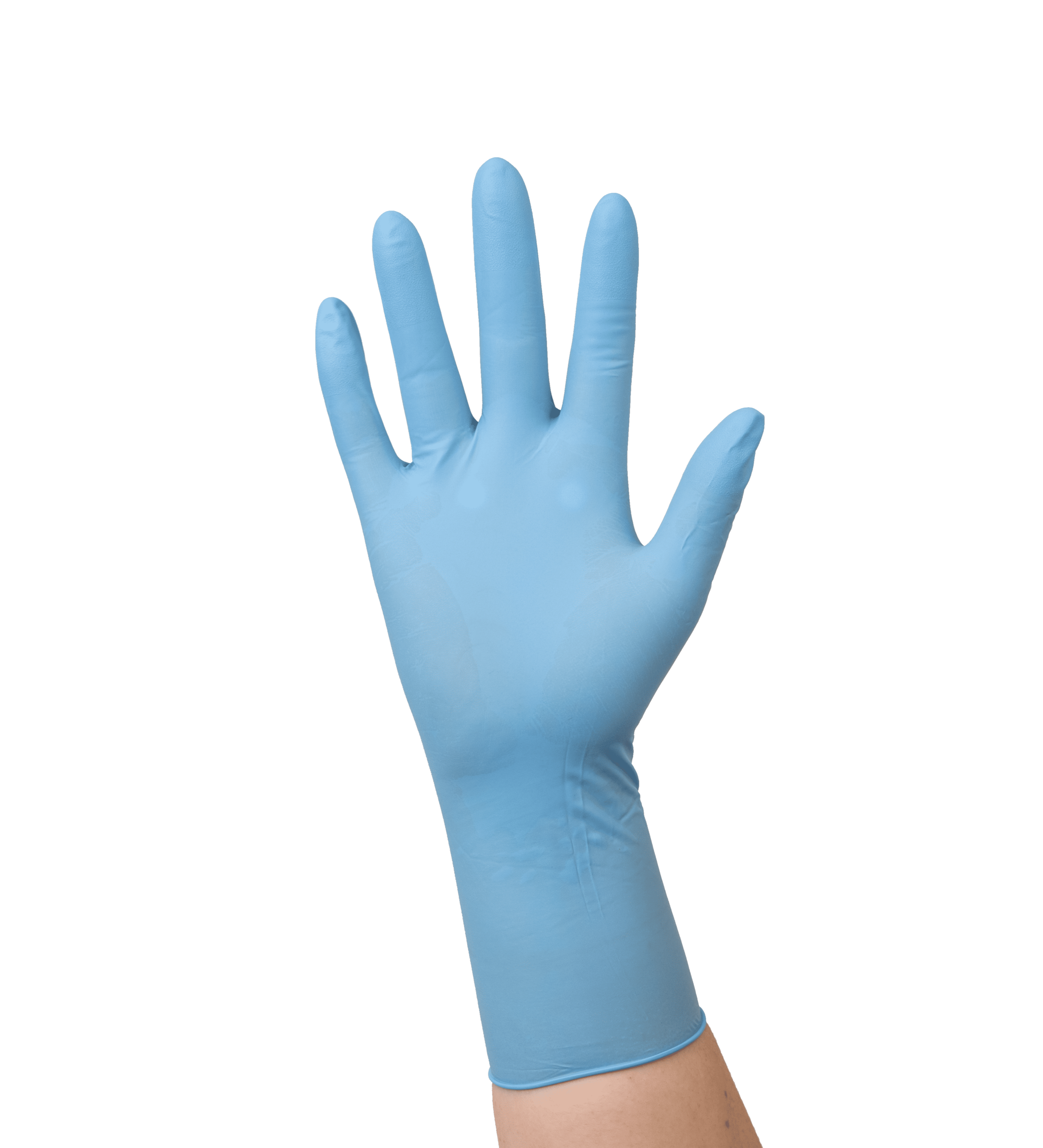
Safetouch Long
They offer superior protection thanks to their 290 mm cuff, which effectively covers the forearms. Their exceptional grip, even in wet conditions, and their robustness ensure durability and safety. Comfortable and offering good dexterity, they are suited to the demands of the drainage and sewerage sector.
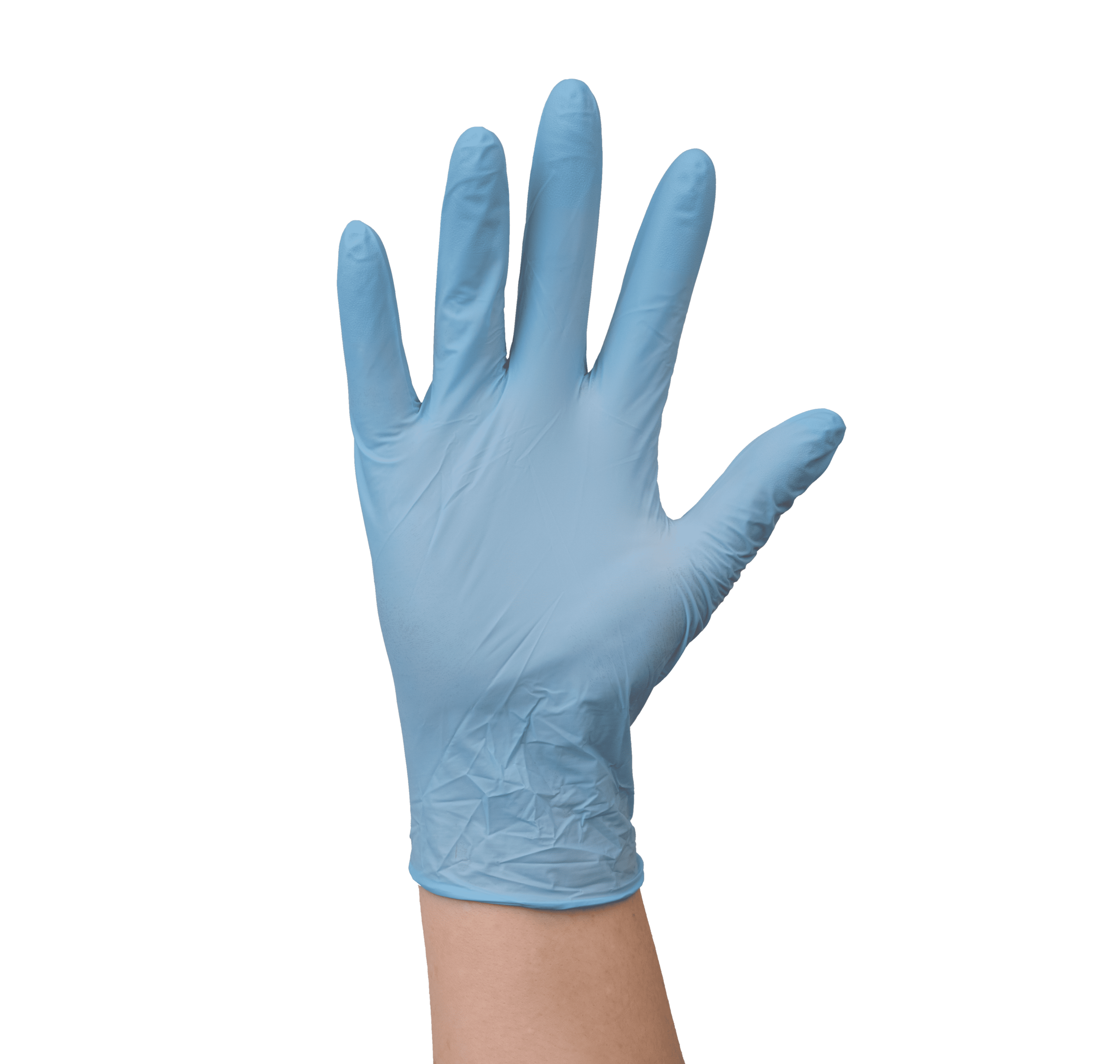
Safetouch Heavy
They combine durability with exceptional grip in both wet and dry conditions. Their optimal comfort and dexterity make them an ideal choice for the drainage and sewerage sector, offering long-lasting protection suited to demanding environments.
How to choose the right PPE for the sewerage sector?
Respiratory protective masks
Masks filter out fine particles, micro-organisms, toxic gases and unpleasant odours. They are essential for protecting the respiratory tract in confined spaces or in the presence of harmful fumes and vapours.
Safety goggles
Safety goggles protect the eyes from splashes, flying particles or irritants. They are essential for preventing contact with contaminated or corrosive substances.
Safety footwear
Reinforced footwear prevents slips, punctures and crush injuries in wet and uneven environments. It ensures stability and protection for the feet in work areas that can sometimes be unstable.
Helmets
Hard hats protect the head from falling objects or impacts in confined spaces or at height. They are essential for reducing the risks associated with unforeseeable accidents.
All equipment must be properly maintained and replaced as soon as it shows signs of wear or failure, in order to ensure optimum protection.
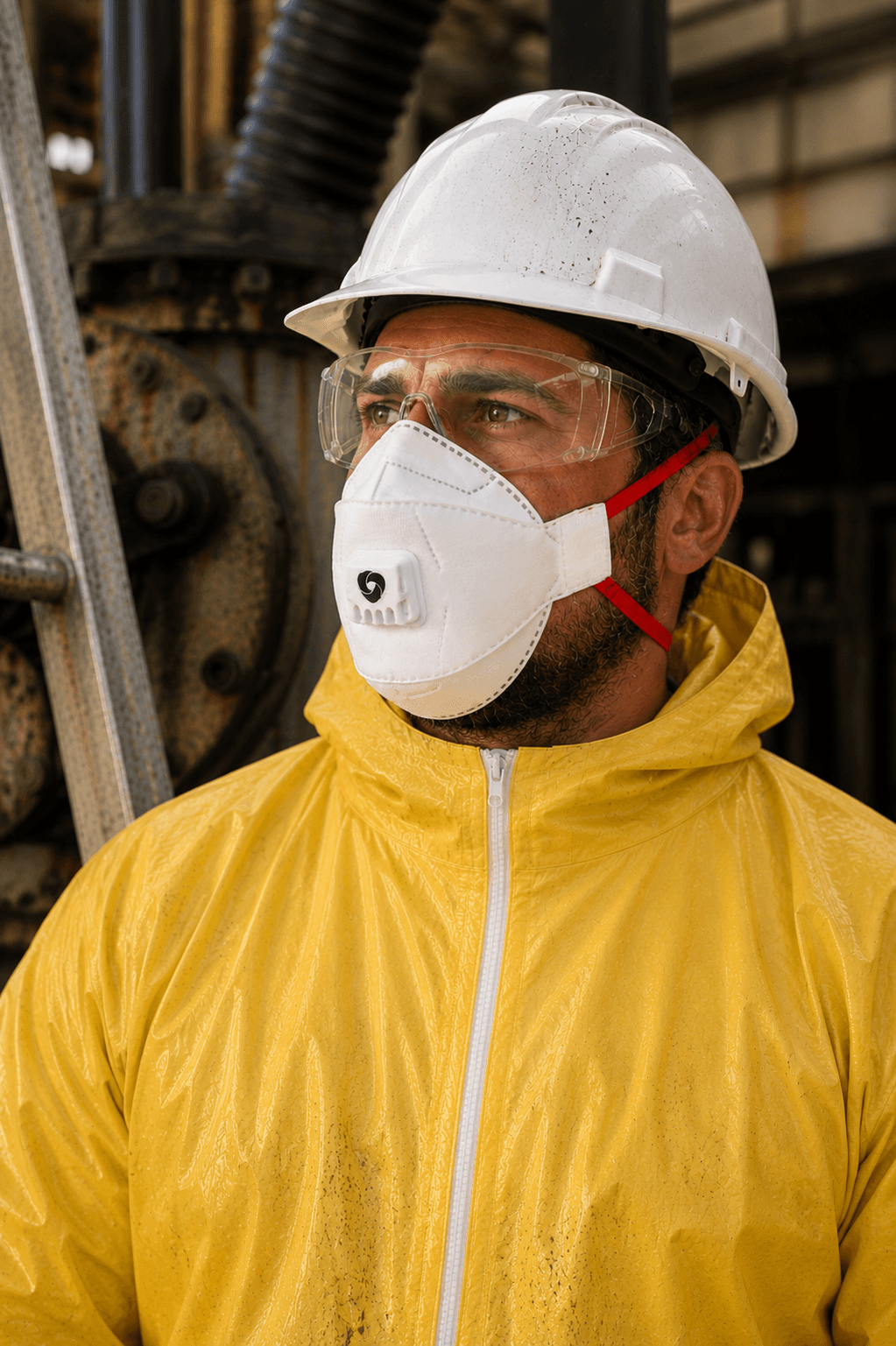
How should PPE be used correctly in the sanitation sector?
Adhering to best practice in the maintenance of PPE ensures workers’ safety, compliance with health and safety regulations and reduces costs.
Store them in their original packaging, away from moisture, heat and chemicals, to prevent any deterioration before use.
Put them on with clean hands to avoid contamination and make sure they fit properly before you start work.
Never reuse this equipment, even if it appears to be in good condition, as its effectiveness diminishes after its first use.
Dispose of them in a container suitable for contaminated or hazardous waste to prevent any risk of spread or contamination.
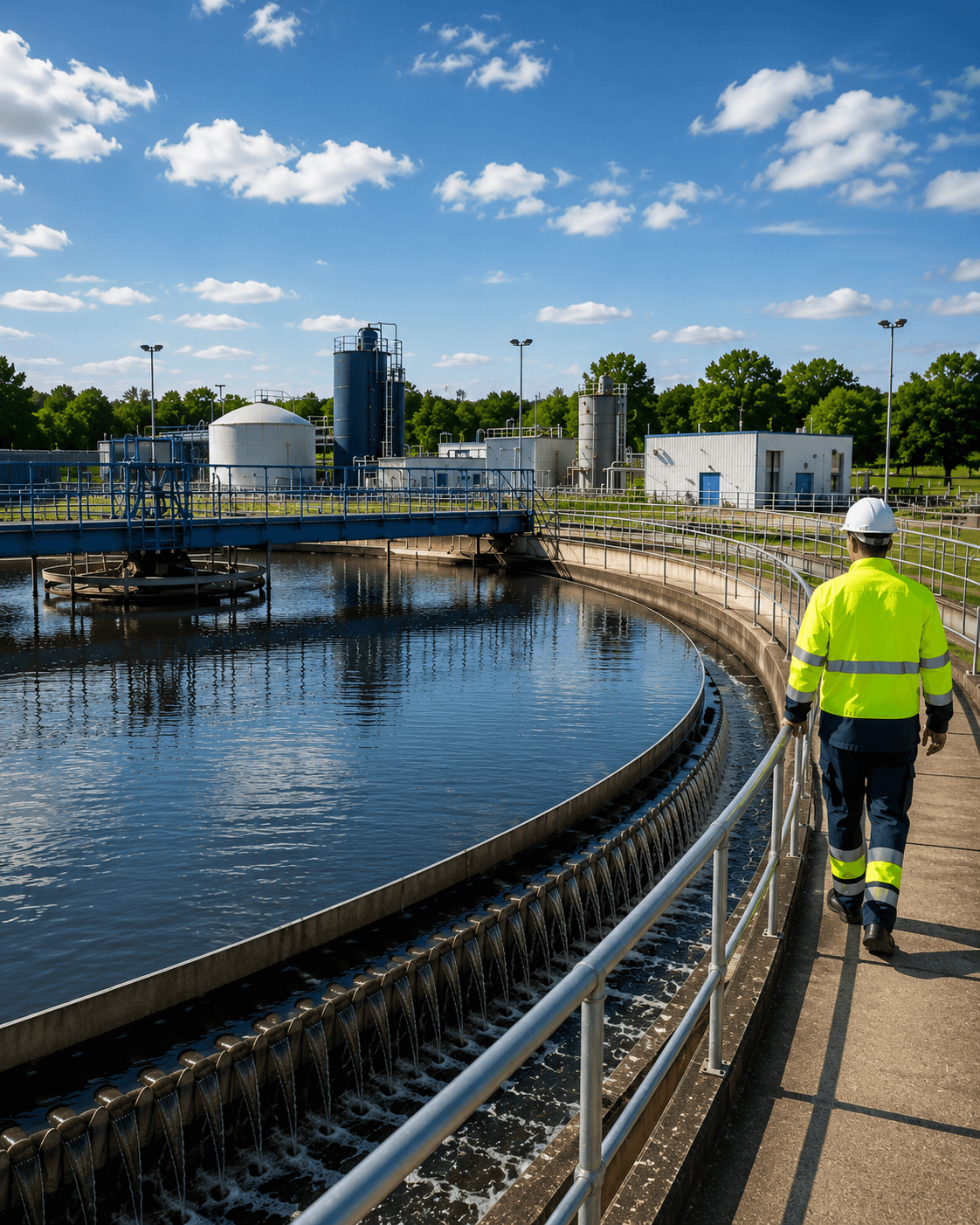
Setting up a base camp
Set up as part of sanitation and wastewater treatment operations, the site camp ensures the safety and protection of workers. It centralises the collection and storage of PPE and the disinfection processes.
Arranging medical follow-up
Close medical monitoring is essential for staff working in sanitation and wastewater treatment, due to the high health risks associated with this sector. Exposure to pathogens, chemicals or unsanitary conditions can seriously affect their health.
This regular monitoring enables the early detection of infections or work-related illnesses, ensures compliance with health and safety at work standards, and allows preventive measures to be tailored to the risks involved.