PPE for the timber industry: processing & machining
Woodworking tasks require suitable personal protective equipment (PPE) to ensure workers’ safety.
They may come into contact with hazardous chemicals contained in wood treatment solutions, strippers, binders, adhesives, varnishes or paints. Our coveralls provide protection against splashes in the form of hazardous dust or impregnating liquids.
Which occupations in the timber industry require the use of PPE?
The timber industry encompasses a wide range of activities, from woodworking to timber processing and treatment. This includes trades such as sawmill workers, joiners, cabinetmakers, and workers in furniture-making workshops. These professionals handle raw and processed timber on a daily basis, using tools and machinery that pose significant risks.
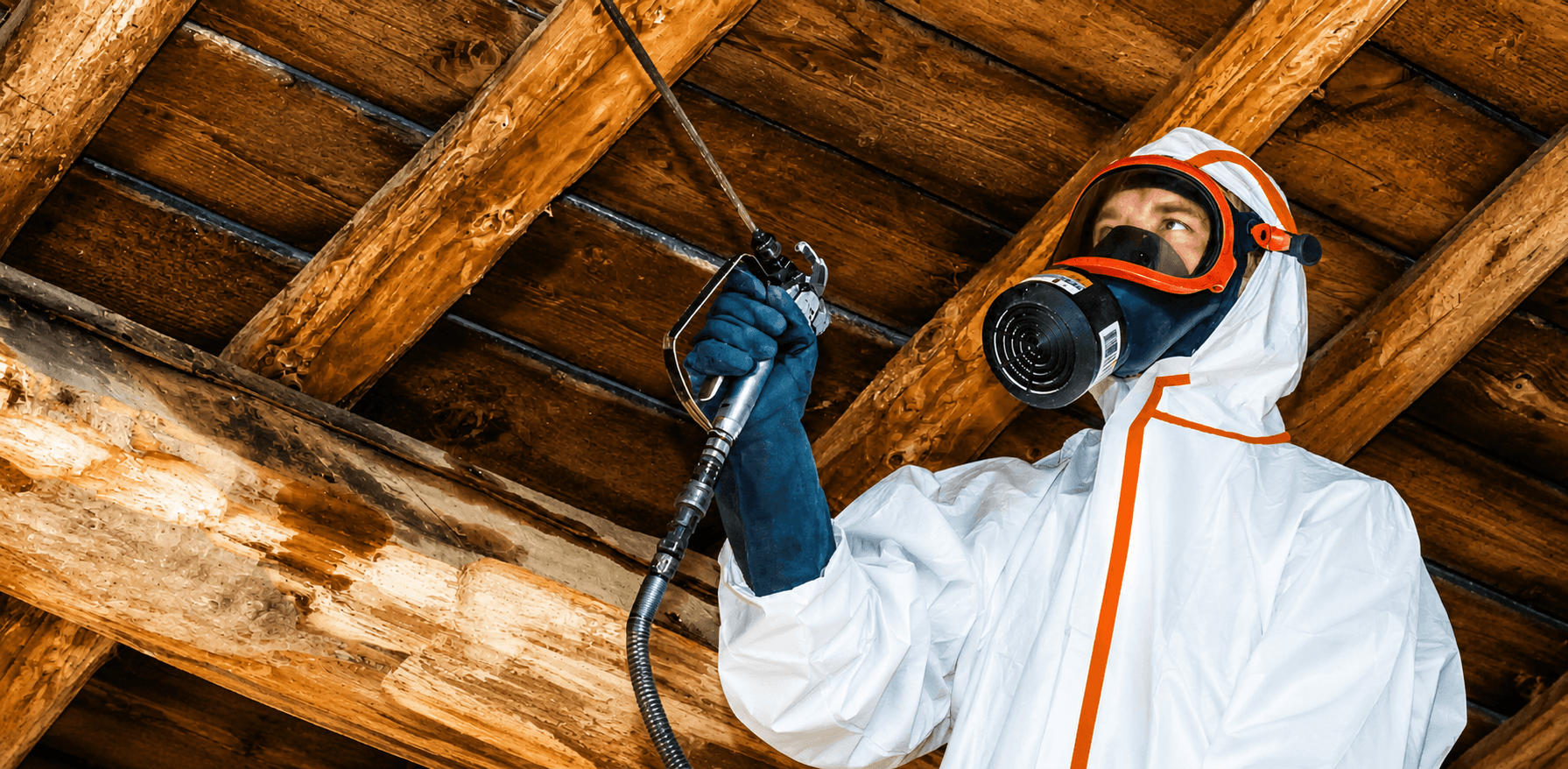
There are numerous hazards in this industry, particularly those associated with wood dust aerosol particles, which can cause respiratory irritation and chronic lung diseases. Furthermore, the spraying of toxic chemicals, used for the treatment and finishing of wood, exposes workers to the risk of poisoning and chemical burns.
When applying chemicals for wood treatment, wearing personal protective equipment (PPE) is therefore essential to ensure the health and safety of workers in the timber industry, by minimising the risk of accidents and occupational illnesses.
Application of chemicals and wood treatments
The application of chemicals and the treatment of wood – such as varnishing, painting and impregnation – expose workers to toxic fumes and hazardous skin contact. Inhaling chemicals, such as adhesives and varnishes, can cause respiratory irritation, headaches, nausea and, in the long term, chronic illnesses and cancers. Masks are therefore essential for protection against dust and chemical vapours. Skin contact with chemicals can cause irritation and burns.
Machining
Woodworking, including sawing, sanding and milling, generates fine dust which, when inhaled, can cause respiratory irritation, allergies, chronic lung diseases (such as asthma) and cancers of the nose and sinuses.
Wearing suitable protective clothing is therefore advisable to prevent cuts and other accidents in this situation. Safety equipment such as helmets and gloves that comply with current standards is also recommended.
PPE in the timber industry
Protective clothing is essential to ensure maximum protection against the risks associated with woodworking.
The priority is to protect the skin, the respiratory tract and the eyes. To achieve this, workers must use suitable PPE: a respirator to filter out wood particles, gloves to prevent skin contact, safety goggles to protect against splashes, and overalls to prevent any direct contact with chemicals. Our coveralls are designed to ensure the health and safety of woodworking professionals.
Jumpsuits
Perfectly suited for protection against hazardous wood dust. It features an antistatic treatment on both sides, a zip fastening with a self-adhesive flap, and covered, watertight seams.
WeePro
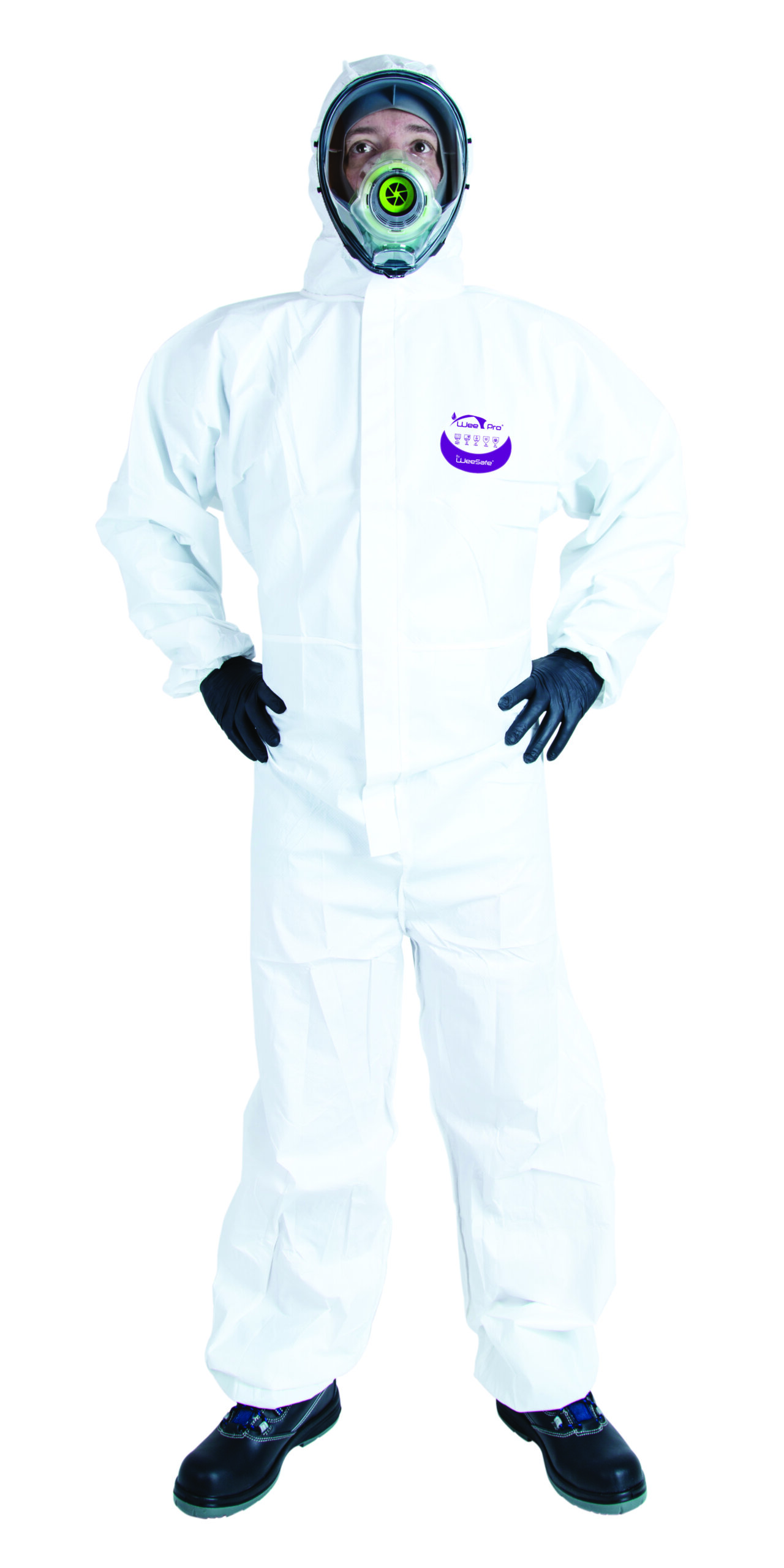
Protection against fine wood dust and low-concentration chemicals. Its self-adhesive flap protects the front of the body during treatments and when applying products with a brush.
A version with a collar is also available.
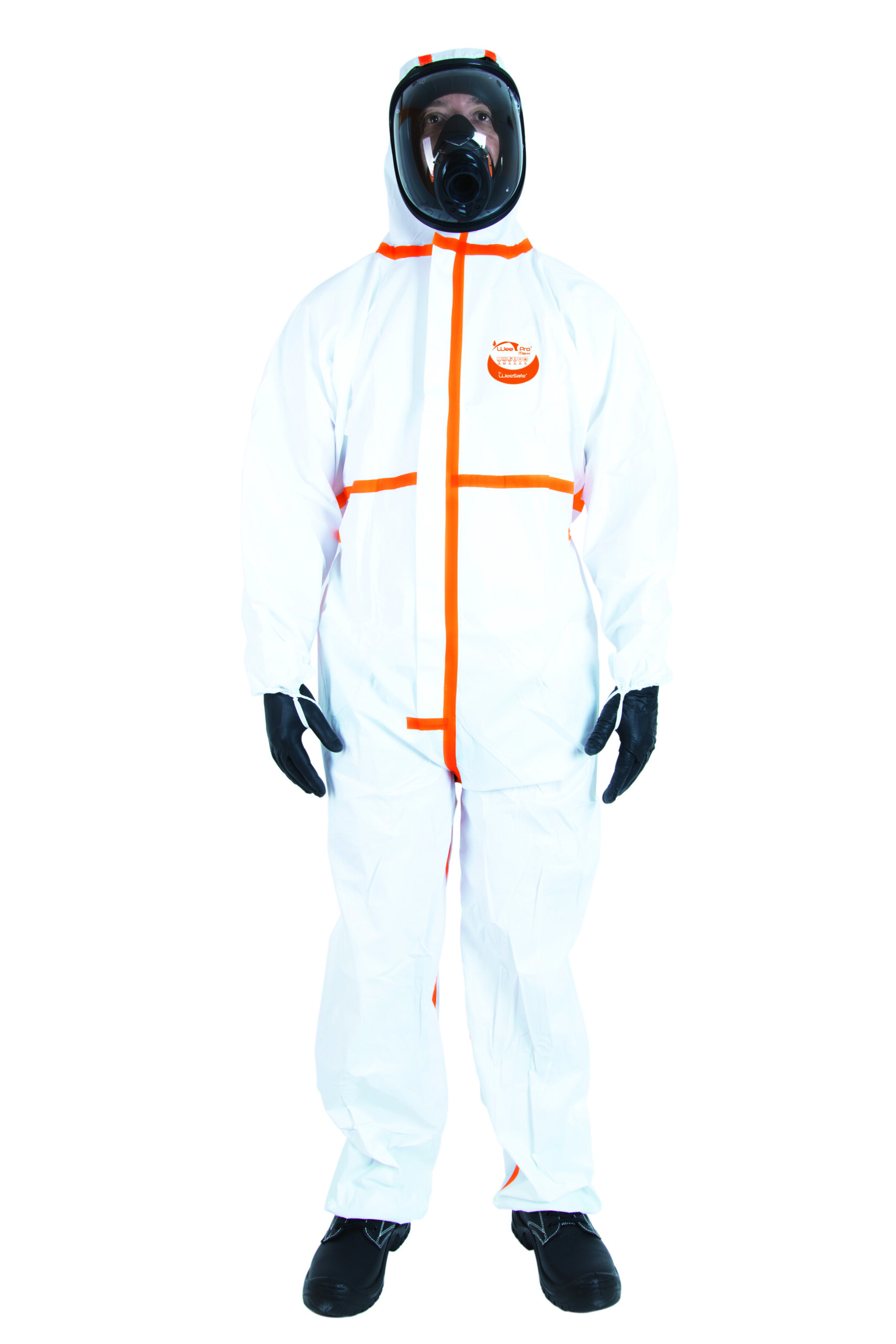
WeePro Max+
Protection against aerosol spray and low-concentration chemicals. Its sealed seams and self-adhesive flap provide protection during preventative treatments and the application of products by spraying.
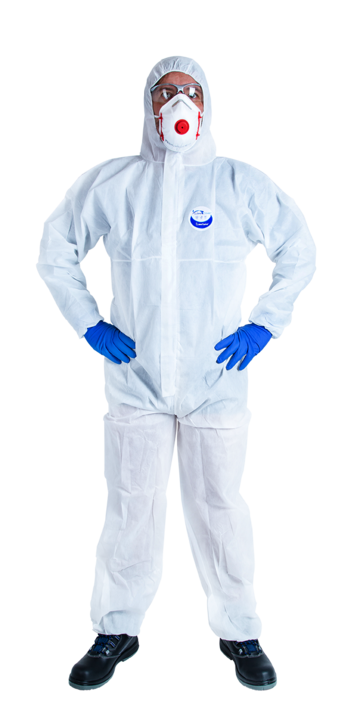
WeeCover Type 5/6
Designed to offer maximum comfort thanks to its ultra-breathable SMS fabric and loose fit.
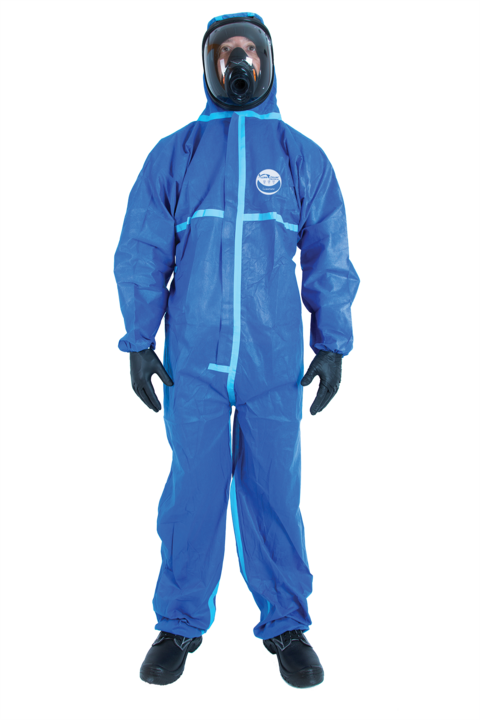
WeePro Max 1 Type 5/6
Provides effective protection when handling powders and in dirty environments. Generous fit and ultra-breathable SMS fabric.
Masks
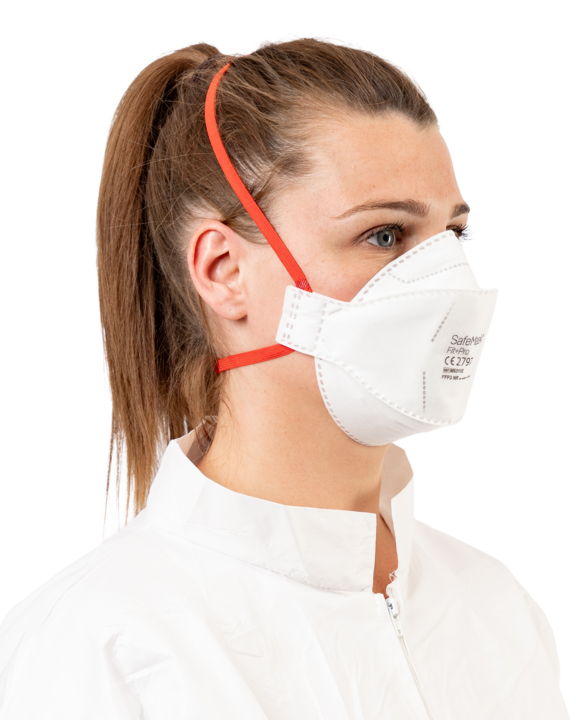
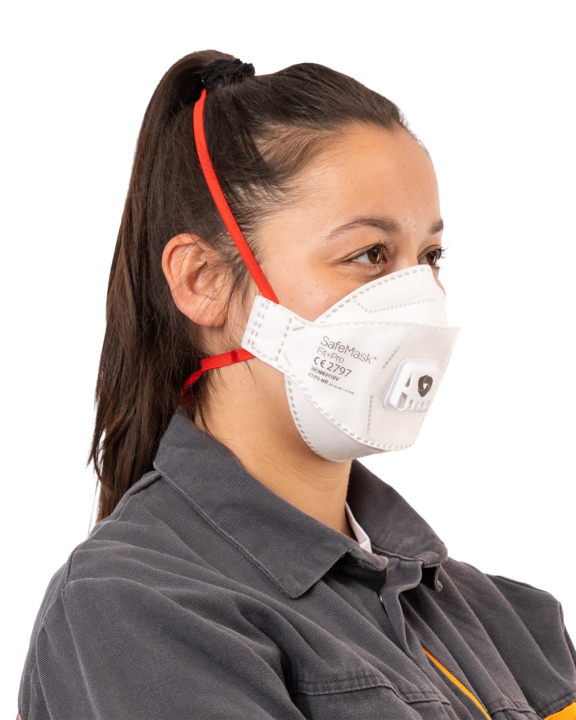
The SafeMask Fit+Pro FFP3 NR mask provides effective respiratory protection against fibres, fine dust and particles generated during insulation work. Comfortable and perfectly fitted, it helps to protect the respiratory tract of professionals working with natural wool, mineral wool or insulating foam.